Tech education

Updated on January 16, 2026
January 16, 2026
6 mins read

Nina Quellier
Global Head of Brand Activism
A new documentary from Back Market depicts life inside a Kenyan e-waste dump, powerfully portraying what happens when your device becomes someone else’s problem. You can watch the new film below, while our head of brand activism Nina Quellier reflects on the experience making it.
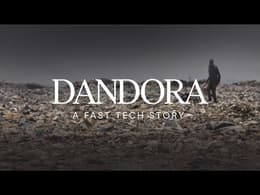

In March 2025, a Back Market team traveled to Dandora, Nairobi - home to one of Africa's largest open e-waste dumpsites - to witness what this system actually looks like on the ground. The subsequent documentary, Dandora: A Fast Tech Story (see above), debuted this week at the Mobile World Congress event in Barcelona. But to fully understand how this all came to be, it’s important I give you an idea of what things look like on the ground in the Dandora neighbourhood (which is part of the Embakasi division).
When we got to the e-waste dump, the air was immediately thick with smoke from burning cables. The floors were noticeably covered in melted plastic and black ash. Workers spent entire days in these conditions without masks, boots, or any protective gear. Many were children and women. This Dandora dumpsite receives roughly 850 tons of mixed waste daily. E-waste represents only a fraction of this, but it's easily the most valuable thanks to parts like circuit boards, batteries, and copper wire. Thousands of informal workers extract anything worth selling, working without protective equipment, while also burning cables in the open air. In Dandora we didn't see mountains of discarded phones and laptops; e-waste doesn't pile up, because it has value. It gets collected immediately, dismantled, and finally burned for parts.

The e-waste dumpsite in Dandora.
What remains are the traces—the toxic residue of informal recycling happening in real-time. This e-waste becomes toxic when not handled properly. A smartphone, for example, contains more than 70 raw materials: lead, mercury, cadmium, flame retardants. When improperly processed through burning, or manually dismantled without protection, these materials release hazardous substances that contaminate air, soil, and water. Workers are taking all of this in… risking everything just so they have some money to live.
Kenya currently generates 88,000 tons of e-waste annually, but as a country it lacks formal systems to manage this volume. Devices often arrive from abroad disguised as "second-hand electronics" or "donations"—technically not waste, but near end-of-life. We live in a fast tech world; a system built on overproduction, overconsumption, and a culture that's normalized throwing away perfectly functional devices after just two years. Every upgrade feels harmless. But the subsequent electronic waste isn't ordinary waste. When mishandled, it becomes toxic and dangerous for the planet; deadly for all the people who handle it without protection. Especially those in this Dandora dump site.
In 2022, the world generated a record 62 million tons of electronic waste—an 82% increase since 2010. Only 22.3% is formally recycled through safe processes. The rest ends up improperly managed, often in countries (like Kenya) without the infrastructure to handle it safely. Our short documentary, Dandora: A Fast Tech Story, therefore is about revealing the true cost of this race to upgrade. We are showing our viewers the cycles of harm.

It was common to see electrical parts being burned out in the open air.
In Kenya, less than 1% of e-waste is formally recycled (compared to 22.3% globally). The informal economy is the system: local repairers, street collectors, and spare parts vendors are all running an unofficial circular economy where everything is recovered, dismantled, repaired, and resold. Walk through Nairobi's markets and you'll see second-hand electronics from Western countries actively sought after. What we might dismiss as "waste" is here seen as opportunity.
These workers possess real skills to keep devices in circulation longer. Yet the economic opportunity for end-of-life becomes a public health crisis due to toxic devices ending up in the hands of the most vulnerable, often without protection or any awareness of the long-term health risks.
That’s not even mentioning the pollution this all puts into the air. If a smartphone contains 70+ raw materials, including critical and scarce metals, does it make sense to replace it every two years? The answer to e-waste isn't just better recycling—it's fundamentally changing how we design and use technology. And, it’s also considering the risks to the people who end up dealing with your device when you ultimately choose to pointlessly upgrade.

Fumes being released through burning e-waste in Dandora, Kenya.
The Basel Convention has prohibited exporting hazardous waste to developing countries since 1992, but this is systematically circumvented by shipping devices claimed as repairable or reusable. While in Dandora, we met Computers for Kids Kenya, an NGO that receives donated computers for schools. Observing how much outdated equipment accumulated, they created a collection system that eventually led to the establishment of the WEEE Centre—now Kenya's main formal recycling facility. This shows that there are people here fighting for change.
But this must go even deeper, which is only possible through a prosperous and global Right to Repair movement. When devices are designed to be repaired—when manufacturers provide parts, tools, and documentation—the benefits cascade globally. It means devices stay in circulation longer, even when they cross borders, and informal repairers gain access to tools and expertise they currently lack. Local economies also strengthen through formalized repair networks, while toxic informal recycling decreases, because devices can be better refurbished, rather than burned in the open air.

Unwanted Western electronics provide opportunity to workers in Kenya.
Kenya recently passed Extended Producer Responsibility legislation, requiring manufacturers to manage end-of-life for their products. And organizations like the WEEE Centre bridge formal and informal sectors through training programs and safety equipment. Repair and reuse aren't just environmental solutions, but they're economic and social triggers that make technology accessible, ultimately creating generational livelihoods. In places where formal infrastructure is lacking, repair and reuse represent pathways to economic resilience and human dignity.
As previously mentioned, our documentary was shown at the Mobile World Congress event in Barcelona; the annual celebration of the constant upgrade cycle… and the culture of “newer-is-better”. But that culture is no longer sustainable, and the future of innovation must instead embrace longevity. When manufacturers design for durability and repairability, and when consumers choose repair over replacement—we create ripple effects that reach far beyond our own device drawers and borders. Progress on Right to Repair in the US and Europe sparks global consequences: fewer toxic dumps; more accessible technology for developing economies; jobs in repair instead of dangerous informal recycling; and valuable materials recovered safely.

A typical view at the Dandora dumpsite.
This is what we at Back Market like to call ‘Slow Tech’, a movement measuring innovation not by how quickly we replace our devices, but how long we can make them last. I guess the workers at the Dandora dumpsite showed us something unexpected, too: resilience, ingenuity, and a deep understanding that just because we no longer need a device, that doesn't mean its life is over. It was impossible not to be impressed with how they carried themselves despite bleak odds.
Not every discarded phone ends up in this Dandora dumpsite, sure. But the systems that allow places like it to exist—overproduction, planned obsolescence, illegal trade disguised as aid, a culture that celebrates the upgrade— touch all of us. And, we hope our documentary shows that those systems can, and must, change.

Special thanks to the WEEE Centre and all the communities in Kenya who shared their stories with us. You can watch Dandora: A Fast Tech Story here.