
General
Compare models
Differences at a glance
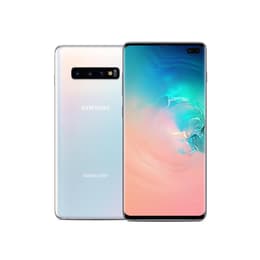
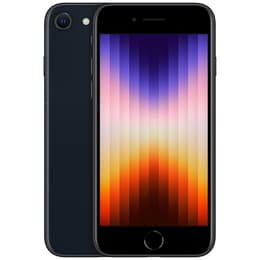
The Samsung Galaxy S10 Plus, released in March 2019, and the iPhone SE (2022), launched in March 2022, represent distinct approaches to smartphone design and functionality. While the S10 Plus offered a large display and a versatile camera system, the iPhone SE (2022) focuses on a compact form factor and a powerful, modern processor. These devices operate on different ecosystems, with the S10 Plus running Android and the iPhone SE (2022) utilizing iOS, leading to varied user experiences and software environments.
Color
Storage
The practical lifespan of a smartphone is significantly influenced by its release date and subsequent software support, which differs between these two models.
Release Year
Last OS Compatibility
OS
Foldable
Performance capabilities vary between the two devices, reflecting their different release eras and design philosophies, impacting how they handle demanding applications and multitasking.
The visual experience on these two smartphones differs significantly due to their display technologies, sizes, and resolutions.
Resolution
Screen type
The camera systems on the Galaxy S10 Plus and iPhone SE (2022) offer different capabilities and features, catering to varied photography preferences.
Main camera
Front camera
Beyond core performance and display, several practical elements differentiate the user experience of these two smartphones.
Weight
Screen size (inches)
Network
SIM card
Carrier compatibility
Connector
The Samsung Galaxy S10 Plus and the iPhone SE (2022) cater to different user preferences, largely due to their distinct operating systems, form factors, and release timelines. Users often praise the Galaxy S10 Plus for its expansive and vibrant display, versatile triple-camera system, and the inclusion of a headphone jack and expandable storage. Its larger battery capacity is also frequently noted as a positive for extended usage. Some common criticisms, however, point to its older software support cycle and the eventual aging of its processor compared to newer devices.
The iPhone SE (2022) is frequently lauded for its compact size, powerful and modern processor, and the long-term software support provided by Apple. Users appreciate its consistent performance and the familiarity of the Touch ID sensor. Conversely, common concerns include its smaller, less advanced display technology, the single rear camera's limitations in certain scenarios (like the absence of a dedicated Night mode), and its more traditional design with larger bezels.
Users prioritizing a large, high-resolution AMOLED display, a multi-lens camera system for varied photography, and the flexibility of expandable storage and a headphone jack may find the Samsung Galaxy S10 Plus well-suited to their needs. Conversely, users who value a compact device for easy one-handed use, a powerful and future-proof processor for sustained performance, and a longer software update lifespan will likely lean towards the iPhone SE (2022). Both devices offer a quality experience, and choosing between them depends on individual priorities for screen size, camera versatility, and ecosystem preference. For those considering either device, exploring quality-assured refurbished options can be an eco-friendly alternative.