
iPhones
Compare models
Differences at a glance
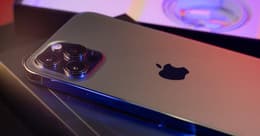
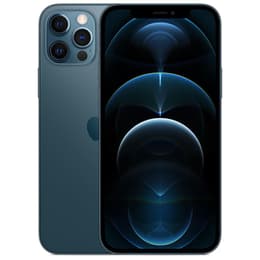
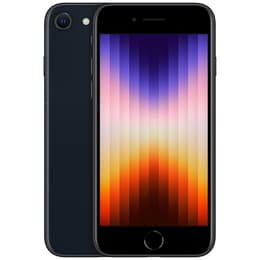
The iPhone 12 Pro, released in October 2020, and the iPhone SE (2022), launched in March 2022, represent distinct approaches within Apple's smartphone lineup. While both devices operate on the iOS platform, the iPhone 12 Pro offers a more advanced camera system and a larger, premium display, whereas the iPhone SE (2022) focuses on a compact design and integrates a newer, highly efficient processor.
Color
Storage
The expected practical lifespan and software support differ between these two models due to their respective release dates and internal components.
Release Year
Last OS Compatibility
OS
Foldable
Performance capabilities are a key differentiator, primarily influenced by the internal processing power and battery optimization.
The visual experience varies significantly between these two models due to their distinct display technologies and physical dimensions.
Resolution
Screen type
The camera systems present a notable difference, with the iPhone 12 Pro offering a more versatile setup for various photographic scenarios.
Main camera
Front camera
Beyond core features, several practical elements contribute to the overall user experience and handling of each device.
Weight
Screen size (inches)
Network
SIM card
Carrier compatibility
Connector
User feedback often highlights the iPhone 12 Pro's strengths in its versatile camera system, particularly its low-light performance and the inclusion of a telephoto lens, alongside its vibrant OLED display and premium build quality. Some users have noted that its battery life, especially with consistent 5G use or intensive gaming, can be a point of consideration. The 60Hz refresh rate, while smooth, is also sometimes mentioned in comparison to newer devices with higher refresh rates.
Conversely, the iPhone SE (2022) is frequently praised for its powerful and efficient processor, offering flagship-level performance in a smaller form factor. Its compact size and the presence of Touch ID are also popular features among users who prefer a more traditional iPhone design. Common criticisms often revolve around its dated design, including the prominent bezels and the use of an LCD display, which offers less contrast and vibrancy compared to OLED screens. Battery life, while improved over its predecessor, is generally considered average for a modern smartphone, especially for heavy users.
Users prioritizing an advanced and flexible camera system, a larger, immersive OLED display, and a premium design may find the iPhone 12 Pro better suited to their needs. Those who value a compact device, the familiarity of a physical home button with Touch ID, and a newer, highly efficient processor for long-term software support will likely lean towards the iPhone SE (2022). Both models are available as quality-assured refurbished options, providing an eco-friendly alternative for consumers.