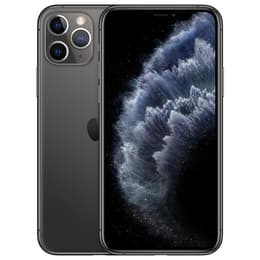

iPhone 11 • Unlocked vs iPhone 11 Pro • Unlocked

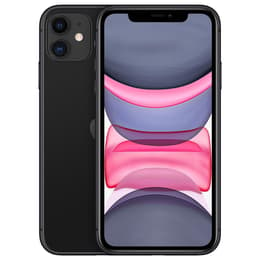
iPhone 11 • Unlocked
Starting at

Refurbished price:$137.00

Versus $499.00 new

See options
iPhone 11 Pro • Unlocked
Starting at

Refurbished price:$207.00

Versus $749.00 new

See options

Ratings

The iPhone 11 and iPhone 11 Pro, both released in September 2019, represent Apple's offerings from the same generation, yet they cater to slightly different user expectations. While sharing the same core processing power, the iPhone 11 Pro distinguishes itself with a more advanced display and a versatile triple-camera system, whereas the iPhone 11 provides a larger screen in a more accessible package. Both devices operate on Apple's iOS platform, ensuring a consistent software experience.

Scores

Durability

When considering the longevity of these devices, their release timeline and Apple's typical software support cycles are key factors.

  • Release & OS Support: Both the iPhone 11 and iPhone 11 Pro were launched in September 2019. Apple generally provides 5-6 years of major iOS updates for its devices. As of early 2026, both models are likely nearing the end of their official major iOS update cycle, having received updates up to iOS 17 and potentially iOS 18. [9, 17]
  • Software Longevity: While major OS updates may cease, Apple often continues to provide security updates for several years beyond, extending the practical usability of the devices. Users can expect both phones to remain functional and secure for some time, though without the newest features. [17]
  • Build & Repairability: The iPhone 11 features an aluminum frame and glass back, while the iPhone 11 Pro uses a more durable stainless steel frame and a matte glass back. [7, 25] The iPhone 11 Pro also boasts enhanced water resistance, surviving 30 minutes at 4 meters compared to the iPhone 11's 2 meters. [7, 25] Repairability scores are generally similar for iPhones of this generation, with common components being accessible for servicing.

Release Year

2019

2019

Last OS Compatibility

Yes

Yes

OS

iOS

iOS

Foldable

No

No

Performance

Both the iPhone 11 and iPhone 11 Pro are equipped with the same internal processing unit, leading to comparable performance in most daily tasks.

  • Processor Capabilities: Both models feature the same powerful processor, which was considered top-tier at their release. This ensures smooth operation for demanding applications, efficient multitasking, and responsive gaming experiences. [1, 6, 8, 12]
  • System Responsiveness: Users will find both devices highly responsive, with quick app loading times and fluid navigation through the operating system. The identical processing unit means there is no noticeable difference in speed or efficiency between the two for everyday use. [5, 6]
  • Storage Options: The iPhone 11 was available with 64GB, 128GB, and 256GB storage options. The iPhone 11 Pro offered 64GB, 256GB, and 512GB, providing a higher maximum capacity for users with extensive storage needs. [13, 15, 23, 27, 28]
  • Battery Behavior: Despite the iPhone 11 having a slightly larger battery capacity (3110 mAh vs. 3046 mAh for the Pro), the iPhone 11 Pro often delivers slightly longer battery life due to its more power-efficient OLED display. [4, 5, 11, 17, 28] In typical use, the iPhone 11 offers up to 17 hours of video playback, while the iPhone 11 Pro extends this to about 18 hours. [4, 28] Both support fast charging and wireless charging. [4]

Memory

4 GB

4 GB

Screen quality

The display is one of the primary differentiators between the iPhone 11 and the iPhone 11 Pro, impacting the visual experience significantly.

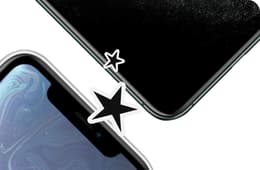
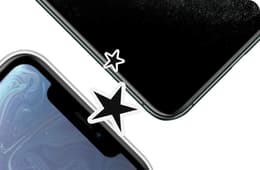
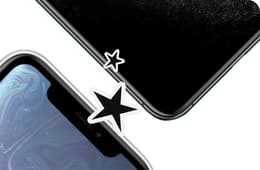
  • Display Technology & Clarity: The iPhone 11 features a 6.1-inch Liquid Retina IPS LCD display with a resolution of 1792 x 828 pixels (326 ppi). [1, 6, 7, 19, 28] In contrast, the iPhone 11 Pro has a smaller 5.8-inch Super Retina XDR OLED display with a higher resolution of 2436 x 1125 pixels (458 ppi). [1, 6, 7, 28] The OLED technology in the Pro model provides deeper blacks, more vibrant colors, and a higher contrast ratio compared to the LCD of the standard iPhone 11. [1, 5, 6, 7, 24]
  • Brightness & Outdoor Use: The iPhone 11 offers a typical maximum brightness of 625 nits. [1, 19, 31] The iPhone 11 Pro, with its OLED screen, reaches a typical maximum brightness of 800 nits and can peak at 1200 nits for HDR content, making it more visible in bright outdoor conditions. [1, 5, 6, 31]
  • Screen Size & Viewing Experience: The iPhone 11 provides a larger 6.1-inch screen, which some users may prefer for general content consumption. [6, 7] However, the iPhone 11 Pro's 5.8-inch display, despite being smaller, offers a sharper and more vivid viewing experience due to its higher pixel density and OLED technology, including HDR support. [1, 5, 6, 7]

Resolution

828 x 1792

1125 x 2436

Screen type

Liquid Retina IPS LCD

Super Retina XDR OLED

Audiovisual

The camera systems on these two models share many features but also present a key distinction in their hardware.

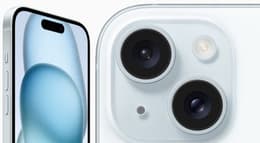
  • Camera System Capabilities: The iPhone 11 features a dual-camera system with a 12MP wide lens and a 12MP ultra-wide lens. [1, 2, 8, 28] The iPhone 11 Pro elevates this with a triple-camera system, adding a 12MP telephoto lens to the wide and ultra-wide setup. [1, 2, 3, 6, 28] This telephoto lens enables 2x optical zoom, offering greater flexibility for capturing distant subjects and enhancing portrait photography. [2, 3, 6]
  • Photography Performance: Both phones excel in everyday photography, featuring Night Mode for improved low-light performance, Deep Fusion for enhanced detail in various lighting conditions, and improved Smart HDR. [2, 6] The addition of the telephoto lens on the Pro model allows for sharper zoomed-in photos and more versatile portrait shots. [3] The front-facing 12MP TrueDepth camera is identical on both models, supporting 4K video recording and improved Face ID. [2, 3, 12, 14]
  • Video Recording Quality: Both the iPhone 11 and iPhone 11 Pro can record 4K video at up to 60 frames per second across all their cameras, including the front camera, with extended dynamic range. [2, 6, 12, 14] The iPhone 11 Pro benefits from its telephoto lens for up to 6x digital zoom during video recording, compared to the iPhone 11's 3x digital zoom. [3] Both also offer slow-motion video capabilities. [2, 14]
  • Audio Experience: Both devices feature enhanced external speakers with spatial audio playback and Dolby Atmos certification, providing an immersive audio experience for media consumption. [7]

Main camera

12 megapixels

12 megapixels

Front camera

12 megapixels

12 megapixels

Miscellaneous

Beyond the core features, several practical aspects differentiate the iPhone 11 and iPhone 11 Pro.

  • Connectivity & Ports: Both models support 4G LTE, Wi-Fi 6, and Bluetooth 5.0, ensuring reliable wireless connectivity. [7, 28] They both utilize the Lightning connector for charging and data transfer. [28, 30]
  • Build Materials & Durability: The iPhone 11 is constructed with an aluminum frame and a glossy glass back, available in a wider range of colors. [7, 25] The iPhone 11 Pro features a more premium stainless steel frame and a matte-textured glass back, which is less prone to fingerprints and offers a more refined feel. [7, 25, 30] The Pro model also has a slightly higher water resistance rating (IP68 at 4 meters for 30 minutes) compared to the standard iPhone 11 (IP68 at 2 meters for 30 minutes). [7, 25]
  • Weight & Dimensions: The iPhone 11 measures 150.9 x 75.7 x 8.3 mm and weighs 194 grams. [1, 7, 15, 22, 28, 31] The iPhone 11 Pro is slightly more compact and lighter at 144 x 71.4 x 8.1 mm and 188 grams. [1, 7, 15, 22, 28, 29, 31] While the iPhone 11 is technically heavier, the Pro's smaller footprint and stainless steel frame can give it a denser, more substantial feel in hand. [22]
  • Security & Other Features: Both devices rely on Face ID for secure authentication, which was improved in this generation for faster and wider-angle recognition. [2, 7, 12, 28]

Weight

7 oz

7 oz

Screen size (inches)

6.1

5.8

Network

LTE

LTE

SIM card

Physical SIM + eSIM

Physical SIM + eSIM

Carrier compatibility

Unlocked

Unlocked

Connector

Lightning

Lightning

User sentiment for both the iPhone 11 and iPhone 11 Pro generally highlights their robust performance and reliable Apple ecosystem experience. The iPhone 11 is often praised for offering a strong balance of features, including a capable dual-camera system and good battery life, making it a solid choice for many. [8, 26] Common criticisms for the iPhone 11 often revolve around its LCD display, which, while good, doesn't match the contrast and vibrancy of OLED screens. [1, 5, 6, 7, 26]

The iPhone 11 Pro, on the other hand, receives consistent praise for its superior OLED display, more versatile triple-camera setup with optical zoom, and premium build quality. [1, 6, 7, 8, 26] Some users, however, might find its smaller screen size less ideal for media consumption compared to the larger iPhone 11. [6] The consensus is that both phones deliver a high-quality smartphone experience, with the 'Pro' model offering refinements that appeal to users seeking advanced features.

Users prioritizing a larger screen for general use and a capable camera system will find the iPhone 11 well-suited to their needs. Those who value a more compact device with a significantly better display, enhanced photography capabilities (especially with the telephoto lens), and a more premium build will lean towards the iPhone 11 Pro. Both devices continue to offer a reliable experience, and choosing a quality-assured refurbished option can be a sustainable choice for either model.

See all articles

Our recent comparisons