
Galaxy S10E • Unlocked vs iPhone 12 Pro • Unlocked

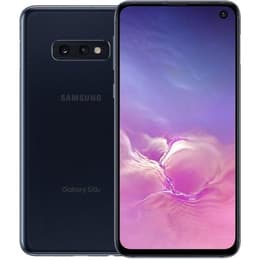
Galaxy S10E • Unlocked
Starting at

Refurbished price:$117.00

Versus $459.00 new

See options
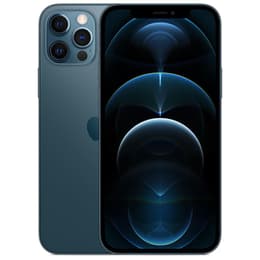
iPhone 12 Pro • Unlocked
Starting at

Refurbished price:$229.00

Versus $799.00 new

See options

Ratings

The Samsung Galaxy S10e, released in March 2019, and the iPhone 12 Pro, launched in October 2020, represent distinct approaches to smartphone design and functionality from their respective manufacturers. While both are capable devices, the Galaxy S10e offers a more compact form factor and runs on the Android operating system, whereas the iPhone 12 Pro provides a more advanced camera system and operates on Apple's iOS platform. These core differences cater to varying user preferences in terms of ecosystem and device handling.

Scores

Durability

The practical lifespan of a smartphone is often influenced by its release timeline, software support, and ease of repair. The iPhone 12 Pro, being released over a year and a half after the Galaxy S10e, benefits from a more recent launch date.

  • Software Longevity: The iPhone 12 Pro, launched in late 2020, is expected to receive iOS updates for a longer duration compared to the Galaxy S10e, which was released in early 2019 and has likely reached the end of its major Android OS update cycle. This means the iPhone 12 Pro will continue to receive new features and security patches for a greater number of years.
  • Repairability: The iPhone 12 Pro generally receives a moderate repairability score, with many components being modular, though proprietary screws and increased waterproofing can complicate repairs. In contrast, the Galaxy S10e has been noted to be more challenging to repair due to extensive use of adhesive and components like the charging port being soldered to the motherboard, resulting in a lower repairability score.
  • Expected Practical Lifespan: Users prioritizing extended software support and potentially easier component replacement for common issues may find the iPhone 12 Pro to offer a longer practical lifespan. The Galaxy S10e, while still functional, will increasingly rely on third-party security updates or custom ROMs for continued software currency.

Release Year

2019

2020

Last OS Compatibility

No

Yes

OS

Android

iOS

Foldable

No

No

Performance

Performance in daily use is a critical aspect for any smartphone, encompassing how smoothly applications run, the efficiency of multitasking, and overall system responsiveness. Both devices offer capable performance for their respective generations.

  • Everyday Task Handling: The iPhone 12 Pro, with its more recent internal components, handles demanding applications, complex multitasking, and graphic-intensive games with notable fluidity and responsiveness. Users will experience quick app loading times and smooth transitions. The Galaxy S10e provides a responsive experience for general use, social media, and most mobile games, though it may show some limitations with the most resource-intensive tasks compared to newer devices.
  • Multitasking and Storage: The iPhone 12 Pro offers various storage configurations starting from 128GB, providing ample space for applications and media, and its system architecture supports efficient multitasking. The Galaxy S10e also comes with generous storage options, including expandable storage via a microSD card, which can be beneficial for users with large media libraries.
  • Battery Behavior: The iPhone 12 Pro features a battery designed to provide a full day of typical use, though heavy usage, especially with 5G connectivity, may require more frequent charging. The Galaxy S10e, with its slightly larger battery capacity, generally offers consistent battery performance for a full day of moderate use.

Memory (GB)

6 GB

6 GB

Screen quality

The display is a primary interface for smartphone interaction, and both the Galaxy S10e and iPhone 12 Pro offer high-quality viewing experiences, albeit with some differences in technology and size.

  • Display Technology and Clarity: The iPhone 12 Pro features a 6.1-inch Super Retina XDR OLED display, known for its deep blacks, high contrast ratio, and vibrant color reproduction, providing excellent clarity for text and images. The Galaxy S10e sports a 5.8-inch Dynamic AMOLED display, which also delivers rich colors and strong contrast, offering a visually engaging experience.
  • Brightness and Viewing Experience: The iPhone 12 Pro's display offers higher peak brightness, particularly for HDR content, making it well-suited for outdoor visibility and media consumption. The Galaxy S10e's display provides good brightness for most conditions, ensuring comfortable viewing in various environments.
  • Size and Form Factor: The Galaxy S10e is notably more compact with its 5.8-inch screen, making it easier for one-handed use and pocketability. The iPhone 12 Pro's 6.1-inch screen offers a larger viewing area, which can enhance media consumption and productivity tasks.

Resolution

1080 x 2280

1170 x 2532

Screen type

Dynamic AMOLED

Super Retina XDR OLED

Audiovisual

Camera capabilities are a significant consideration for many users, and both devices provide robust photographic and videographic tools, though with different strengths and features.

  • Rear Camera Systems: The iPhone 12 Pro features a versatile triple-camera system, including wide, ultrawide, and telephoto lenses, complemented by a LiDAR scanner for improved low-light focusing and depth sensing. This setup allows for 4x optical zoom range and enhanced portrait photography. The Galaxy S10e offers a dual-camera setup with a main wide-angle lens and an ultrawide lens, providing good flexibility for everyday photography and capturing broader scenes.
  • Low-Light and Video Performance: The iPhone 12 Pro excels in low-light conditions with its Night Mode and Deep Fusion technologies, producing detailed and well-exposed images. It also supports HDR video recording with Dolby Vision up to 60 frames per second, offering professional-grade video capabilities. The Galaxy S10e delivers competent low-light performance and can record video up to 4K resolution, providing good quality for general use.
  • Front Camera and Audio: Both devices feature capable front-facing cameras for selfies and video calls. The iPhone 12 Pro's 12MP TrueDepth camera includes Night Mode and Portrait Mode enhancements. The Galaxy S10e has a 10MP front camera with features like Smart Auto Focus. Both phones offer stereo speakers for media consumption and clear microphone quality for calls.

Main camera

12 megapixels

12 megapixels

Front camera

10 megapixels

12 megapixels

Miscellaneous

Beyond core features, several practical elements contribute to the overall user experience, including connectivity, physical design, and additional functionalities.

  • Connectivity and Ports: The iPhone 12 Pro supports 5G connectivity, offering faster cellular data speeds where available, along with current Wi-Fi and Bluetooth standards. It uses a Lightning port for charging and data transfer. The Galaxy S10e supports 4G LTE and includes Wi-Fi 6 and Bluetooth 5.0. A notable feature of the S10e is the inclusion of a 3.5mm headphone jack, which is absent on the iPhone 12 Pro, and it uses a USB-C port.
  • Physical Design and Handling: The Galaxy S10e is known for its compact dimensions and lighter weight (150g), making it comfortable for one-handed use and easy to carry. The iPhone 12 Pro, while slightly larger and heavier (189g), features a flat-edged design with a stainless steel frame and Ceramic Shield front cover, contributing to its durability. Both devices offer IP68 water and dust resistance.
  • Biometric Security: The iPhone 12 Pro relies on Face ID for secure facial recognition. The Galaxy S10e utilizes a side-mounted fingerprint sensor integrated into the power button for biometric authentication.

Weight

5 oz

7 oz

Screen size (inches)

5.8

6.1

Network

LTE

5G

SIM card

Physical SIM

Physical SIM + eSIM

Carrier compatibility

Unlocked

Unlocked

Connector

USB-C + Jack 3.5mm

Lightning

User sentiment for the Galaxy S10e often praises its compact size, vibrant display, and the convenience of a headphone jack, making it a favored choice for those who prefer smaller Android devices. Some users have noted that its battery life, while adequate for moderate use, might not keep up with the demands of heavy users as the device ages. The iPhone 12 Pro is frequently lauded for its robust camera system, particularly its low-light capabilities and video recording features, as well as its strong overall performance and premium build quality. Common observations include its battery life being sufficient but not exceptional for its class, and some users express a preference for a fingerprint sensor in addition to Face ID.

Users prioritizing a compact form factor, the flexibility of the Android ecosystem, and the presence of a traditional headphone jack may find the Galaxy S10e well-suited to their needs. Conversely, individuals who value a more advanced camera system, extended software support, and the iOS ecosystem will likely lean towards the iPhone 12 Pro. Both devices offer distinct advantages, and choosing between them depends on individual priorities for daily use. For those considering either of these models, exploring quality-assured refurbished options can provide an eco-friendly alternative.


See all articles

Our recent comparisons