
Galaxy S21 5G • Unlocked vs iPhone SE (2020) • Unlocked

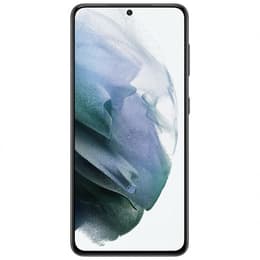
Galaxy S21 5G • Unlocked
Starting at

Refurbished price:$132.99

Versus $1,000.00 new

See options
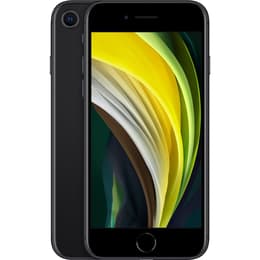
iPhone SE (2020) • Unlocked
Starting at

Refurbished price:$107.00

Versus $399.00 new

See options

Ratings

The Samsung Galaxy S21 5G, released in January 2021, and the Apple iPhone SE (2020), launched in April 2020, represent distinct philosophies in smartphone design. The Galaxy S21 5G operates on the Android platform, offering a modern, feature-rich experience with a focus on advanced display technology and versatile camera capabilities. In contrast, the iPhone SE (2020) runs on iOS, providing a compact and familiar user experience, prioritizing a streamlined interface and a smaller physical footprint.

Scores

Durability

The longevity of these devices is influenced by their release timelines and the software support policies of their respective manufacturers, which dictate how long they remain secure and functional. Both devices offer robust build quality, but their materials and design approaches differ.

  • Software Longevity: The Galaxy S21 5G, released in 2021, typically receives four years of major operating system updates, ensuring it remains current for a significant period. The iPhone SE (2020), despite its earlier 2020 release, benefits from Apple's historically longer support cycles, often providing updates for six years or more from its launch.
  • Physical Build and Repair: The Galaxy S21 5G features a polycarbonate back, which offers resistance to cracks from drops, while the iPhone SE (2020) utilizes a glass-backed design that requires more careful handling. Both devices are widely supported by repair services, making common fixes like battery replacements or screen repairs accessible for those considering a quality-assured refurbished option. The iPhone SE 2020 has a repairability score of 6 out of 10, with modular components and straightforward access to the display and battery. The Galaxy S21 5G has a repairability score of 7.5 out of 10, with an easily removable back plate and replaceable parts, though the battery can be challenging to remove due to strong adhesive.
  • Environmental Resilience: Both smartphones carry high water and dust resistance ratings, with the iPhone SE (2020) rated IP67 and the Galaxy S21 5G rated IP68, ensuring they can withstand accidental splashes or brief submersion, contributing to their overall practical lifespan in daily use.

Release Year

2021

2020

Last OS Compatibility

Yes

Yes

OS

Android

iOS

Foldable

No

No

Performance

Daily performance varies between these two models, particularly when handling demanding applications or extensive multitasking, largely due to differences in their internal components and operating system optimizations.

  • Processing Power: The Galaxy S21 5G, equipped with a more recent-generation processor, handles demanding applications and multitasking smoothly, maintaining consistent speed even under heavy load. The iPhone SE (2020), powered by a slightly older but still capable processor, delivers a responsive experience for everyday tasks and most applications.
  • Multitasking and Responsiveness: The Galaxy S21 5G typically includes more RAM, which contributes to smoother transitions between multiple open applications and more efficient background processes. The iPhone SE (2020) offers a fluid user experience within its operating system, though its lower RAM capacity may lead to more frequent app reloads when switching between many demanding applications.
  • Battery Behavior: The Galaxy S21 5G generally lasts through a full day of moderate to heavy use thanks to its larger internal battery capacity (4000 mAh). The iPhone SE (2020) has a smaller battery (1821 mAh), which often necessitates more frequent charging for users who heavily stream video or use navigation apps throughout the day.

Memory (GB)

8 GB

3 GB

Screen quality

The visual experience on these devices presents a clear distinction, primarily due to differences in display technology, size, and refresh rates, impacting everything from media consumption to daily navigation.

  • Display Technology and Clarity: The Galaxy S21 5G features a 6.2-inch Dynamic AMOLED 2X display, offering vibrant colors, deep blacks, and excellent contrast. Its resolution of 1080 x 2400 pixels provides a sharp viewing experience. The iPhone SE (2020) comes with a 4.7-inch IPS LCD Retina HD display, known for its accurate color reproduction and good viewing angles, with a resolution of 750 x 1334 pixels.
  • Brightness and Outdoor Visibility: The Galaxy S21 5G's display can reach higher peak brightness levels, making it highly visible even in bright outdoor conditions. The iPhone SE (2020) offers a respectable maximum brightness of 625 nits, which is generally sufficient for most outdoor use, though it may be less comfortable in direct sunlight compared to the S21 5G.
  • Refresh Rate and Smoothness: The Galaxy S21 5G boasts an adaptive 120Hz refresh rate, which provides noticeably smoother scrolling and more fluid animations, enhancing the overall user interaction. The iPhone SE (2020) features a standard 60Hz refresh rate, offering a consistent but less fluid visual experience compared to higher refresh rate displays.

Resolution

1080 x 2400

750 x 1334

Screen type

Dynamic AMOLED 2X

Retina IPS LCD

Audiovisual

Both smartphones offer capable camera systems, but they approach photography and videography with different hardware configurations and software enhancements, leading to distinct results in various scenarios.

  • Rear Camera System: The Galaxy S21 5G features a versatile triple-camera setup on the rear, including a 12MP wide-angle, a 12MP ultra-wide, and a 64MP telephoto lens, providing flexibility for various shooting situations, including optical zoom capabilities. The iPhone SE (2020) relies on a single 12MP wide-angle camera, which, combined with its powerful processor, delivers consistent and high-quality images in good lighting conditions.
  • Photography Features and Performance: The Galaxy S21 5G includes advanced features like Director's View for video, improved focus and subject tracking, and a dedicated Night Mode for enhanced low-light photography. The iPhone SE (2020) excels in everyday photography with excellent color accuracy and dynamic range, and it offers a software-driven Portrait Mode for both front and rear cameras. However, it lacks a dedicated Night Mode, which can impact low-light performance compared to more modern devices.
  • Video Recording and Front Camera: The Galaxy S21 5G supports video recording up to 8K resolution and offers 4K at 60fps on both front and rear cameras, along with advanced stabilization. Its 10MP front camera captures detailed selfies. The iPhone SE (2020) records 4K video at up to 60fps with optical image stabilization on its main camera and 1080p video from its 7MP front camera, providing good quality for calls and casual selfies.

Main camera

12 megapixels

12 megapixels

Front camera

10 megapixels

7 megapixels

Miscellaneous

Beyond core performance and display, several practical elements contribute to the overall user experience, from how devices connect to other technologies to their physical design and handling.

  • Connectivity and Ports: The Galaxy S21 5G supports 5G networks, offering faster mobile data speeds, and features Wi-Fi 6 and Bluetooth 5.2 for advanced wireless connectivity. It uses a USB-C port for charging and data transfer. The iPhone SE (2020) supports LTE networks, Wi-Fi 6, and Bluetooth 5.0, providing reliable wireless connections. It utilizes Apple's proprietary Lightning port.
  • Biometric Security and Design: The Galaxy S21 5G incorporates an under-display fingerprint scanner for secure unlocking. Its design is characterized by a larger, edge-to-edge display with minimal bezels. The iPhone SE (2020) features a physical Home button with Touch ID (fingerprint recognition) for security, maintaining a classic iPhone design with more prominent bezels.
  • Dimensions and Handling: The Galaxy S21 5G measures 151.7 x 71.2 x 7.9 mm and weighs around 169-171 grams, offering a comfortable grip for a larger screen device. The iPhone SE (2020) is more compact at 138.4 x 67.3 x 7.3 mm and weighs 148 grams, making it a suitable choice for users who prefer a smaller phone that is easy to operate with one hand.

Weight

7 oz

5 oz

Screen size (inches)

6.2

4.7

Network

5G

LTE

SIM card

Physical SIM + eSIM

Physical SIM + eSIM

Carrier compatibility

Unlocked

Unlocked

The Samsung Galaxy S21 5G and the iPhone SE (2020) cater to different user preferences, each excelling in distinct areas. User discussions frequently praise the Galaxy S21 5G for its stunning display and the flexibility offered by its triple-camera system, making it a strong contender for those who prioritize multimedia and photography. Some users have noted the shift to a polycarbonate back on the S21 5G compared to previous glass models.

Conversely, the iPhone SE (2020) is often lauded for its compact size and the familiarity of its physical Home button, appealing to users who prefer a traditional design and single-handed usability. However, its battery life is a common point of concern for those with heavy daily usage patterns.

Users prioritizing a large, vibrant display with a high refresh rate, advanced camera versatility, and the latest Android features will find the Galaxy S21 5G well-suited to their needs. Its robust performance makes it ideal for demanding applications and mobile gaming. On the other hand, users who value a smaller, more pocketable device, a familiar iOS experience, and consistent performance for everyday tasks may lean toward the iPhone SE (2020). It remains a strong option for those who appreciate its classic design and streamlined operation.

Both devices are available as quality-assured refurbished options, providing an eco-friendly alternative for consumers looking to make informed and sustainable choices.
See all articles

Our recent comparisons