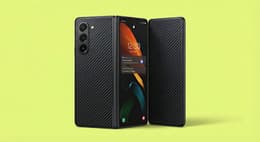

Galaxy Z Flip5 • Unlocked vs iPhone 12 Pro Max • Unlocked

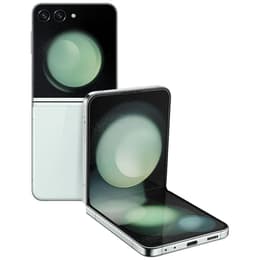
Galaxy Z Flip5 • Unlocked
Starting at

Refurbished price:$234.99

Versus $1,147.99 new

See options
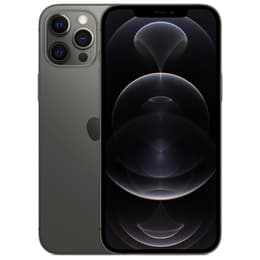
iPhone 12 Pro Max • Unlocked
Starting at

Refurbished price:$314.00

Versus $899.00 new

See options

Ratings

The Samsung Galaxy Z Flip5 (2023) and the Apple iPhone 12 Pro Max (2020) represent distinct approaches to smartphone design and functionality. While the Z Flip5 offers a unique foldable form factor running on Android, the iPhone 12 Pro Max provides a traditional, robust iOS experience. Key differentiators include their physical design, operating systems, and the specific user experiences each prioritizes.

Scores

Durability

The expected practical lifespan of these devices varies due to their release timelines and manufacturer support policies.

  • Software Support: The Galaxy Z Flip5, released in July 2023, is expected to receive four major Android OS updates and five years of security updates, extending its software support until at least July 2028. The iPhone 12 Pro Max, launched in October 2020, typically receives 5-6 years of major iOS updates, and is compatible with iOS 26, released in September 2025. This indicates it is nearing the end of its major OS update cycle, though security updates may continue for a longer period.
  • Physical Durability: The Galaxy Z Flip5 features an IPX8 water resistance rating, meaning it can withstand submersion in water, but it does not have official dust resistance. Its hinge design has seen improvements for enhanced durability. The iPhone 12 Pro Max boasts a Ceramic Shield front cover for increased drop performance and an IP68 rating, offering both dust and water resistance.
  • Repairability: The Galaxy Z Flip5 has a moderate repairability score of 7.5 out of 10, partly due to the inclusion of battery pull tabs that simplify battery replacement. The iPhone 12 Pro Max received a repairability score of 6 out of 10, with some components requiring specialized tools or authorization for full functionality after replacement.

Release Year

2023

2020

Last OS Compatibility

Yes

Yes

OS

Android

iOS

Foldable

Yes

No

Performance

Both devices offer capable performance, though they differ in their underlying architecture and how they handle demanding tasks.

  • Processing Power: The Galaxy Z Flip5 is equipped with a current-generation processor, designed to handle intensive applications and multitasking efficiently. This allows for smooth navigation, quick app loading, and responsive gaming experiences.
  • System Responsiveness: The iPhone 12 Pro Max, powered by its A14 Bionic processor, delivers strong performance for everyday use, including fluid app transitions and consistent responsiveness. While an older generation, its optimized software ensures a capable user experience.
  • Multitasking and Storage: The Galaxy Z Flip5 typically comes with 8GB of RAM, supporting seamless switching between multiple applications. Storage options include 256GB and 512GB. The iPhone 12 Pro Max features 6GB of RAM and offers storage configurations of 128GB, 256GB, and 512GB, providing ample space and sufficient memory for most users' multitasking needs.

Memory (GB)

8 GB

6 GB

Screen quality

The display technologies and user experiences offered by these two smartphones present distinct characteristics.

  • Main Display Technology: The Galaxy Z Flip5 features a 6.7-inch Foldable Dynamic AMOLED 2X main display with a resolution of 1080 x 2640 pixels and an adaptive refresh rate of up to 120Hz, providing smooth scrolling and vibrant visuals. The iPhone 12 Pro Max has a 6.7-inch Super Retina XDR OLED display with a resolution of 2778 x 1284 pixels and a standard 60Hz refresh rate, known for its deep blacks and accurate color reproduction.
  • Brightness and Clarity: The Z Flip5's main screen can reach a peak brightness of 1750 nits, offering excellent visibility even in bright outdoor conditions. The iPhone 12 Pro Max provides a peak brightness of 1200 nits for HDR content, ensuring clear viewing in various lighting environments. Both displays offer high clarity suitable for media consumption and daily tasks.
  • Unique Display Features: A notable feature of the Z Flip5 is its 3.4-inch Super AMOLED cover screen, which allows for quick interactions and notifications without unfolding the device. The foldable nature of the Z Flip5's main screen means a visible crease is present, though many users report it becomes less noticeable with use. The iPhone 12 Pro Max offers a traditional, flat display experience.

Resolution

1080 x 2640

1284 x 2778

Screen type

Foldable Dynamic AMOLED 2X

Super Retina XDR OLED

Audiovisual

The camera systems on both devices are designed for different photographic priorities and user experiences.

  • Rear Camera Configuration: The Galaxy Z Flip5 features a dual-camera setup on the rear, consisting of a 12MP wide-angle lens with optical image stabilization and a 12MP ultra-wide-angle lens. The iPhone 12 Pro Max offers a triple 12MP camera system, including a wide-angle lens with sensor-shift optical image stabilization, an ultra-wide-angle lens, and a telephoto lens with 2.5x optical zoom.
  • Photography Performance: Users generally find the Z Flip5's cameras capable of producing sharp, vibrant photos with good dynamic range in well-lit conditions. Its larger cover screen also allows for high-quality selfies using the main rear cameras. The iPhone 12 Pro Max is recognized for its strong low-light performance, detailed images, and consistent color science across its lenses.
  • Video Capabilities and Front Camera: Both devices support 4K video recording. The iPhone 12 Pro Max can record HDR video with Dolby Vision at up to 60 frames per second, and includes a LiDAR scanner for improved autofocus and Night mode portraits. The Z Flip5 has a 10MP front-facing camera, while the iPhone 12 Pro Max features a 12MP front camera.

Main camera

12 megapixels

12 megapixels

Front camera

10 megapixels

12 megapixels

Miscellaneous

Beyond core features, several practical elements differentiate these two devices in daily use.

  • Form Factor and Handling: The Galaxy Z Flip5's clamshell foldable design allows it to become significantly more compact when closed, making it highly portable and easy to fit into smaller pockets. When unfolded, it presents a full-sized smartphone experience. The iPhone 12 Pro Max maintains a traditional, larger slab design, which offers a consistent screen size but is less compact.
  • Connectivity and Ports: The Z Flip5 supports 5G, Wi-Fi 6E, and Bluetooth 5.3, and uses a USB-C port for charging and data transfer. The iPhone 12 Pro Max also supports 5G and Wi-Fi 6, but features Bluetooth 5.0 and utilizes Apple's proprietary Lightning port.
  • Biometric Security and Build Materials: The Galaxy Z Flip5 incorporates a side-mounted fingerprint sensor for secure unlocking. Its construction includes an aluminum frame and Gorilla Glass Victus 2 on the exterior. The iPhone 12 Pro Max relies on Face ID for facial recognition and features a stainless steel frame with a Ceramic Shield front cover.

Weight

7 oz

7 oz

Screen size (inches)

6.7

6.7

Network

5G

5G

SIM card

Physical SIM + eSIM

Physical SIM + eSIM

Carrier compatibility

Unlocked

Unlocked

Connector

USB-C

Lightning

User feedback highlights distinct strengths for both the Galaxy Z Flip5 and the iPhone 12 Pro Max. The Z Flip5 is frequently praised for its innovative, compact foldable design and the utility of its larger cover screen, which allows for quick interactions without fully opening the device. Users also appreciate its strong performance for daily tasks and the fun, versatile camera experience, especially for selfies using the main cameras. However, some common criticisms include its battery life, which, while improved, may not satisfy heavy users, and the absence of a telephoto lens. The visible crease on the main display is also a point of discussion, though many find it easy to overlook.

The iPhone 12 Pro Max consistently receives acclaim for its robust camera system, particularly its low-light capabilities and high-quality video recording with features like Dolby Vision HDR. Its powerful performance and extended battery life were significant advantages at its release. Criticisms often center on its substantial size and weight, which can make one-handed use challenging, and its 60Hz display, which some users find less fluid compared to higher refresh rate screens. The use of the Lightning port, rather than the more universal USB-C, is also a frequent point of discussion.

Users prioritizing a highly portable device with a unique form factor and a versatile, fun camera experience may find the Galaxy Z Flip5 well-suited to their needs. Conversely, those who value a traditional, large-screen smartphone with a highly capable and consistent camera system, strong performance, and extended battery life will likely lean towards the iPhone 12 Pro Max. Both devices offer a quality experience, and choosing between them often comes down to personal preference regarding form factor and operating system. For those considering either model, exploring quality-assured refurbished options can provide an eco-friendly alternative.


See all articles

Our recent comparisons