
Galaxy Z Fold6 • Unlocked vs iPhone 12 Pro Max • Unlocked

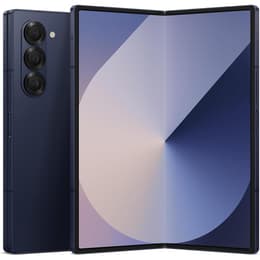
Galaxy Z Fold6 • Unlocked
Starting at

Refurbished price:$549.99

Versus $1,499.00 new

See options
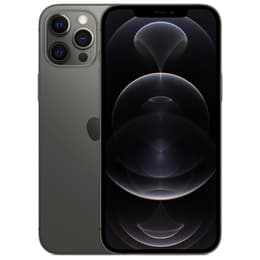
iPhone 12 Pro Max • Unlocked
Starting at

Refurbished price:$314.00

Versus $899.00 new

See options

Ratings

The Samsung Galaxy Z Fold6, a foldable smartphone released in July 2024, and the Apple iPhone 12 Pro Max, a traditional slab-style smartphone launched in November 2020, represent distinct approaches to mobile technology. While both devices offer premium experiences, their fundamental form factors and release timelines lead to significant differences in design, performance, and user interaction. The Z Fold6 operates on Android, providing a versatile folding display, whereas the iPhone 12 Pro Max runs on iOS, focusing on a consistent, large-screen experience.

Scores

Durability

The expected practical lifespan of these devices differs primarily due to their release dates and respective software support policies. The Galaxy Z Fold6, being a newer device, benefits from an extended period of software updates compared to the iPhone 12 Pro Max.

  • Release Timeline and OS Support: The Galaxy Z Fold6, released in July 2024, is promised seven years of Android OS updates and security patches, extending its software longevity significantly. In contrast, the iPhone 12 Pro Max, released in November 2020, typically receives iOS updates for about 5-6 years from its launch, meaning its software support cycle is nearing its end by early 2026.
  • Physical Durability: The Z Fold6 features an IP48 rating, marking it as Samsung's first foldable with certified dust protection, alongside water resistance. Its cover screen and back panel are protected by Corning Gorilla Glass Victus 2, and the inner display uses Ultra-Thin Flexible Glass (UTG). The iPhone 12 Pro Max offers IP68 water and dust resistance and features a Ceramic Shield front cover for enhanced drop performance.
  • Repairability: While specific repairability scores vary, the foldable design of the Z Fold6 can present unique challenges for repairs compared to the more conventional construction of the iPhone 12 Pro Max. However, both devices are designed with premium materials that require specialized tools and expertise for servicing.

Release Year

2024

2020

Last OS Compatibility

Yes

Yes

OS

Android

iOS

Foldable

Yes

No

Performance

Performance capabilities are a key differentiator, largely influenced by the generational gap in their internal components. The Galaxy Z Fold6, with its more recent hardware, offers a noticeable advantage in processing power and multitasking efficiency.

  • Processor Capabilities: The Galaxy Z Fold6 is powered by a current-generation processor, enabling it to handle demanding applications, complex multitasking, and advanced gaming with smooth responsiveness. The iPhone 12 Pro Max features a capable processor for its release year, providing a fluid user experience for everyday tasks and many graphically intensive games, though it may show its age with the most recent and demanding applications.
  • Multitasking and Responsiveness: With 12 GB of RAM, the Z Fold6 is well-equipped for extensive multitasking, allowing users to switch between numerous applications without slowdowns. The iPhone 12 Pro Max comes with 6 GB of RAM, which supports efficient multitasking within the iOS ecosystem, but the Z Fold6 offers more headroom for power users.
  • Storage Options: Both devices offer ample storage, with the Z Fold6 available in 256 GB, 512 GB, or 1 TB configurations. The iPhone 12 Pro Max provides options of 128 GB, 256 GB, or 512 GB.

Memory (GB)

12 GB

6 GB

Screen quality

The display experience on these two smartphones is fundamentally different due to their form factors, with the Z Fold6 offering a unique dual-screen setup and the iPhone 12 Pro Max providing a large, traditional display.

  • Display Technology and Size: The Galaxy Z Fold6 features two Dynamic AMOLED 2X displays: a 7.6-inch main foldable screen and a 6.3-inch cover screen. This allows for a compact phone experience when folded and a tablet-like experience when unfolded. The iPhone 12 Pro Max has a single 6.7-inch Super Retina XDR OLED display.
  • Resolution and Clarity: The Z Fold6's main display offers a resolution of 2160 x 1856 pixels, while its cover screen is 2376 x 968 pixels. The iPhone 12 Pro Max features a resolution of 2778 x 1284 pixels, resulting in a sharp visual experience.
  • Brightness and Refresh Rate: Both screens on the Z Fold6 boast an adaptive refresh rate of 1-120Hz and can reach a peak brightness of 2,600 nits, ensuring smooth scrolling and excellent visibility in bright conditions. The iPhone 12 Pro Max has a 60Hz refresh rate and offers a typical brightness of 800 nits, peaking at 1200 nits for HDR content, providing a clear and vibrant viewing experience.

Resolution

1856 x 2160

1284 x 2778

Screen type

Foldable Dynamic LTPO AMOLED 2X

Super Retina XDR OLED

Audiovisual

Both devices offer advanced camera systems designed to capture high-quality photos and videos, though the Z Fold6 benefits from more recent advancements in sensor technology and computational photography.

  • Rear Camera Systems: The Galaxy Z Fold6 features a triple rear camera setup with a 50 MP wide-angle lens, a 12 MP ultra-wide lens, and a 10 MP telephoto lens with 3x optical zoom. The iPhone 12 Pro Max also has a triple 12 MP camera system, including Ultra Wide, Wide (with sensor-shift optical image stabilization), and Telephoto lenses offering 2.5x optical zoom.
  • Low-Light and Video Performance: The Z Fold6 incorporates AI-based image processing for improved photo quality in various lighting conditions and supports 8K video recording at 30fps. The iPhone 12 Pro Max excels in low-light photography with its LiDAR Scanner and offers HDR video recording with Dolby Vision up to 60 fps.
  • Front-Facing Cameras: The Z Fold6 includes a 10 MP camera on its cover screen and a 4 MP under-display camera on the main screen. The iPhone 12 Pro Max features a 12 MP TrueDepth front camera capable of Night mode.

Main camera

50 megapixels

12 megapixels

Front camera

4 megapixels

12 megapixels

Miscellaneous

Beyond core specifications, several practical elements contribute to the overall user experience, from connectivity to physical design and handling.

  • Connectivity and Ports: The Galaxy Z Fold6 supports modern connectivity standards including 5G, Wi-Fi 6E, and Bluetooth 5.3, and uses a USB-C port. The iPhone 12 Pro Max also supports 5G and Wi-Fi 6, featuring Bluetooth 5.0 and Apple's proprietary Lightning port.
  • Biometrics and Sensors: The Z Fold6 typically uses a side-mounted fingerprint sensor for secure unlocking. The iPhone 12 Pro Max relies on Face ID for facial recognition. Both devices include a range of sensors for various functionalities.
  • Weight and Dimensions: The Z Fold6 weighs 239g and has dimensions of 153.5 x 68.1 x 12.1mm when folded, expanding to 153.5 x 132.6 x 5.6mm when unfolded. The iPhone 12 Pro Max weighs 228g and measures 160.84 x 78.09 x 7.39 mm, offering a substantial but traditional smartphone feel.

Weight

8 oz

7 oz

Screen size (inches)

7.6

6.7

Network

5G

5G

SIM card

Physical SIM + eSIM

Physical SIM + eSIM

Carrier compatibility

Unlocked

Unlocked

Users frequently praise the Galaxy Z Fold6 for its innovative foldable design, which offers a large screen for productivity and media consumption in a relatively compact form factor. The wider cover screen is often highlighted as a significant improvement, making the device more usable when folded. Criticisms sometimes focus on the durability of the inner foldable screen over long-term use, despite advancements in protection, and the camera system, while capable, may not always match the performance of some dedicated slab-style flagships.

The iPhone 12 Pro Max is often lauded for its robust build quality, consistent performance, and the reliability of the iOS ecosystem. Users appreciate its strong battery life for a traditional smartphone and its capable camera system, particularly for video recording. Some common concerns for this model, given its age, might include its 60Hz display refresh rate, which is lower than many newer devices, and the eventual end of major software updates.

Users prioritizing a versatile, large-screen experience for multitasking and media consumption, coupled with the latest Android features and extended software support, may find the Galaxy Z Fold6 well-suited to their needs. Its unique foldable design caters to those who desire both a smartphone and a tablet in one device. Conversely, users who prefer a traditional, highly polished smartphone experience with a strong emphasis on consistent performance, a robust camera for photos and video, and the long-standing reliability of the iOS ecosystem might lean towards the iPhone 12 Pro Max. For those considering either device, exploring quality-assured refurbished options can provide an eco-friendly alternative to new purchases.


See all articles

Our recent comparisons