Galaxy Z Fold6 • Unlocked vs iPhone 14 Plus • Unlocked

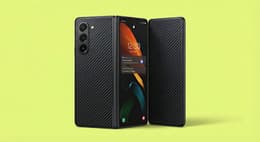
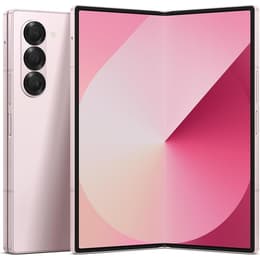
Galaxy Z Fold6 • Unlocked
Starting at

Refurbished price:$549.99

Versus $1,499.00 new

See options
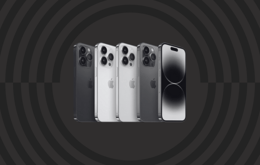
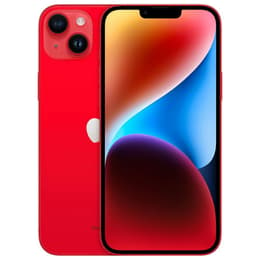
iPhone 14 Plus • Unlocked
Starting at

Refurbished price:$289.00

Versus $729.00 new

See options

Ratings

The Samsung Galaxy Z Fold6, released in July 2024, and the Apple iPhone 14 Plus, launched in October 2022, represent distinct approaches to modern smartphone design. The Z Fold6 offers a unique foldable form factor, transforming from a compact device into a larger tablet-like screen, running on the Android operating system. In contrast, the iPhone 14 Plus provides a traditional, large-screen smartphone experience powered by Apple's iOS. These devices cater to different user preferences, primarily differing in their display technology, overall design, and ecosystem.

Scores

Durability

When considering the long-term usability of these devices, their release timelines and software support are key factors.

  • Software Longevity: The Galaxy Z Fold6, being a newer device, benefits from Samsung's commitment to providing seven years of software upgrades, including OS updates and security patches. The iPhone 14 Plus, released nearly two years prior, typically receives iOS updates for approximately five to six years from its launch date, meaning its software support window will close sooner than the Z Fold6's.
  • Physical Durability: The iPhone 14 Plus features a Ceramic Shield front cover and an IP68 rating for water and dust resistance, allowing submersion in up to 6 meters of water for 30 minutes. The Galaxy Z Fold6, with its folding design, utilizes Corning Gorilla Glass Victus 2 on its cover screen and back panel, and an ultra-thin flexible glass for its inner display. It carries an IP48 rating, offering protection against water and larger dust particles, though its folding hinge design presents a different set of durability considerations compared to a traditional slab phone.
  • Practical Lifespan: Both devices are built to last, but the Z Fold6's newer components and extended software support suggest a slightly longer practical lifespan for receiving the latest features and security updates. The folding mechanism of the Z Fold6 is rated for 200,000 folds, indicating robust engineering for its unique design.

Release Year

2024

2022

Last OS Compatibility

Yes

Yes

OS

Android

iOS

Foldable

Yes

No

Performance

The performance of a smartphone is crucial for handling daily tasks, from casual browsing to demanding applications.

  • Processing Power: The Galaxy Z Fold6 is equipped with a current-generation processor, enabling it to handle intensive applications, complex multitasking, and graphic-heavy games with smooth responsiveness. The iPhone 14 Plus, while featuring a slightly older but still highly capable processor, delivers consistent and fluid performance across iOS applications and everyday usage.
  • Multitasking and Responsiveness: With 12 GB of RAM, the Galaxy Z Fold6 is well-suited for extensive multitasking, allowing users to run multiple applications simultaneously on its large inner display without noticeable slowdowns. The iPhone 14 Plus, with 6 GB of RAM, provides a responsive experience for typical smartphone usage, efficiently managing background processes within the iOS ecosystem.
  • Battery Behavior: The iPhone 14 Plus is recognized for its exceptional battery endurance, often lasting a full day or more of heavy use, with some users reporting up to two or three days with moderate usage. The Galaxy Z Fold6, with a 4,400 mAh battery, also offers reliable all-day power for most users, though intensive use of its larger inner screen may require more frequent charging.

Memory (GB)

12 GB

6 GB

Screen quality

The display is a primary interaction point, and both devices offer distinct visual experiences.

  • Display Technology and Size: The Galaxy Z Fold6 features two Dynamic AMOLED 2X displays: a 6.3-inch cover screen and a 7.6-inch foldable inner screen. Both support an adaptive refresh rate of up to 120Hz, providing smooth scrolling and fluid animations. The iPhone 14 Plus has a single 6.7-inch Super Retina XDR OLED display with a 60Hz refresh rate, offering deep blacks and vibrant colors.
  • Brightness and Clarity: Both the inner and cover displays of the Z Fold6 can reach a peak brightness of 2600 nits, ensuring excellent visibility even in bright outdoor conditions. The iPhone 14 Plus offers a typical brightness of 800 nits and a peak HDR brightness of 1200 nits, which is bright for most environments but less intense than the Z Fold6 in direct sunlight.
  • Viewing Experience: The Z Fold6's larger, nearly square inner display provides an expansive canvas for productivity and media consumption, while its narrower cover screen is designed for convenient one-handed use. The iPhone 14 Plus delivers a consistent, high-quality viewing experience on its large, traditional display, ideal for video and general content.

Resolution

1856 x 2160

1284 x 2778

Screen type

Foldable Dynamic LTPO AMOLED 2X

Super Retina XDR OLED

Audiovisual

Camera capabilities are a significant consideration for many users, and these devices approach photography differently.

  • Rear Camera Systems: The Galaxy Z Fold6 features a versatile triple-camera setup, including a 50 MP main sensor with optical image stabilization (OIS), a 12 MP ultra-wide lens, and a 10 MP telephoto lens with 3x optical zoom and OIS. The iPhone 14 Plus comes with a dual-camera system, comprising a 12 MP main camera with a larger sensor and sensor-shift OIS, and a 12 MP ultra-wide camera. It lacks a dedicated telephoto lens.
  • Photography Performance: The Z Fold6's cameras are competent for everyday photography, with improvements in low-light performance for its ultra-wide lens. However, some user feedback suggests its overall camera performance, particularly in challenging conditions or when zooming, may not match the highest-tier traditional smartphones. The iPhone 14 Plus offers strong image quality in various lighting conditions, with notable improvements in low-light capture and autofocus for its front camera.
  • Video Recording and Special Features: Both devices are capable of high-quality video recording. The Z Fold6 supports 8K video recording at 30 frames per second, while the iPhone 14 Plus offers 4K video recording at up to 60 frames per second, along with features like Cinematic Mode and Action Mode for enhanced video capture.

Main camera

50 megapixels

12 megapixels

Front camera

4 megapixels

12 megapixels

Miscellaneous

Beyond core features, several practical elements contribute to the overall user experience.

  • Connectivity and Ports: Both devices support 5G connectivity and modern Wi-Fi standards for fast internet access. The Galaxy Z Fold6 uses a USB-C port for charging and data transfer, while the iPhone 14 Plus features Apple's proprietary Lightning port.
  • Biometric Security: The Z Fold6 incorporates a side-mounted fingerprint sensor for secure unlocking. The iPhone 14 Plus relies on Face ID, Apple's facial recognition system, for biometric authentication.
  • Design and Handling: The Galaxy Z Fold6 has a folded thickness of 12.1 mm and weighs 239 g, offering a compact yet substantial feel. When unfolded, it becomes a slim 5.6 mm. The iPhone 14 Plus, at 7.8 mm thick and weighing 203 g, is notably lighter for its large screen size, making it comfortable for extended one-handed use. The Z Fold6 also supports S Pen input, though the stylus is sold separately and does not have a dedicated storage slot.

Weight

8 oz

7 oz

Screen size (inches)

7.6

6.7

Network

5G

5G

SIM card

Physical SIM + eSIM

eSIM

Carrier compatibility

Unlocked

Unlocked

The choice between the Samsung Galaxy Z Fold6 and the iPhone 14 Plus largely depends on individual priorities and how a user intends to interact with their device. The Galaxy Z Fold6 is praised by users for its innovative foldable design, which offers unparalleled screen real estate for multitasking, productivity, and immersive media consumption. Many appreciate the ability to switch between a compact outer screen and a large inner display, finding it a game-changer for work and entertainment. However, some users note that its camera system, while competent, may not be on par with the absolute best traditional flagship phones, and the crease on the inner display, though less noticeable, is still present.

The iPhone 14 Plus is frequently lauded for its exceptional battery life, often cited as one of the best in its class, providing extended usage without frequent recharging. Users also value its large, vibrant display for a traditional smartphone experience, its robust build quality with Ceramic Shield, and the consistent performance of its camera system for everyday photos and videos. Criticisms sometimes point to its 60Hz display refresh rate, which is lower than many Android counterparts, and the absence of a telephoto lens.

Users prioritizing a versatile, tablet-like experience for productivity, media, and a cutting-edge form factor may find the Galaxy Z Fold6 well-suited to their needs. Its larger, adaptive display and S Pen support cater to those who want a device that can transform to fit various tasks. Conversely, individuals who value a consistently long-lasting battery, a large traditional display, a highly optimized software experience, and a robust, straightforward design will likely prefer the iPhone 14 Plus. Both devices offer compelling features, and for those considering a quality-assured refurbished option, both models are available, providing an eco-friendly alternative for making an informed choice.


See all articles

Our recent comparisons