Compare models

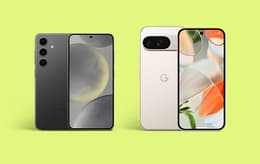
Google Pixel 10 • Unlocked vs iPhone 15 Pro Max • Unlocked

  • 1-year warranty
  • Free standard shipping
  • Free 30-day returns
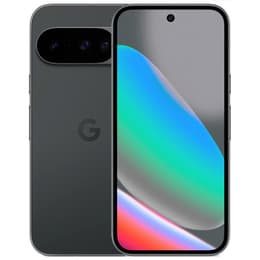
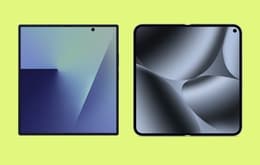
Google Pixel 10 • Unlocked
Starting at

Refurbished price:$462.00

Versus $899.00 new

See options
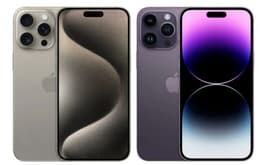
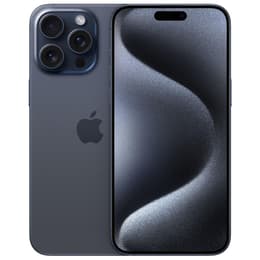
iPhone 15 Pro Max • Unlocked
Starting at

Refurbished price:$635.00

Versus $1,199.00 new

See options

Differences at a glance

The Google Pixel 10 (2025) and the Apple iPhone 15 Pro Max (2023) represent two distinct ecosystems in the modern smartphone landscape, running on Android and iOS respectively. While the Google Pixel 10 offers a compact form factor with advanced artificial intelligence features, the iPhone 15 Pro Max delivers an expansive display and a robust titanium build. Choosing between them depends on your preferred operating system, preferred physical size, and everyday workflow needs.

Available Models

Color

Storage (GB)

Scores

Durability

Both smartphones are engineered to maintain longevity through extended software support and sturdy hardware construction, though their release timelines differ by two years.

  • Software longevity: The Google Pixel 10 benefits from a multi-year update commitment spanning up to seven major operating system releases, while the iPhone 15 Pro Max follows Apple's long-standing tradition of multi-year system support.
  • Repairability and build: Both models utilize rugged outer chassis designs and high-strength front glass panels to withstand daily wear, alongside standard repair network accessibility.
  • Practical lifespan: Both devices retain stable performance and sustained battery health over several years of standard consumer use.

Release Year

2025

2023

OS

Android

iOS

Foldable

No

No

Performance

System responsiveness and day-to-day multitasking capabilities remain swift and reliable on both platforms, though they manage hardware resource allocation differently.

  • Multitasking and memory: The Google Pixel 10 features generous working memory to handle heavy background tasks smoothly, while the iPhone 15 Pro Max relies on optimized software integration to keep resource-heavy apps running efficiently.
  • App execution: Both handsets open demanding applications instantly, switch between multiple tools without stuttering, and handle high-refresh-rate mobile gaming smoothly.
  • Battery behavior: The Google Pixel 10 includes an energy-efficient power profile suitable for a full day of mixed usage, while the iPhone 15 Pro Max offers large battery capacity tailored for extended media playback and navigation tasks.

Screen quality

Visual immersion varies due to differing physical dimensions and panel technologies, though both display vivid colors and high refresh rates.

  • Display size and panel: The Google Pixel 10 provides a compact 6.3-inch OLED screen that balances viewing space with one-handed usability, whereas the iPhone 15 Pro Max features a larger 6.7-inch Super Retina XDR OLED display tailored for media consumption.
  • Outdoor visibility: Both screens feature high peak brightness levels that ensure clear readability under direct sunlight and bright outdoor environments.
  • Motion smoothness: High refresh rate capabilities on both devices ensure smooth scrolling through web pages, documents, and user interface menus.

Resolution

1080x2424

1290 x 2796

Screen type

OLED

LTPO Super Retina XDR OLED

Audiovisual

Photography and video recording suites on both smartphones cater to everyday documentation and creative capture using distinct processing pipelines.

  • Main and zoom photography: Both models incorporate multi-lens configurations featuring high-resolution primary sensors and dedicated optical zoom capabilities for distant subjects.
  • Low-light performance: Advanced computational photography on both devices reduces noise and balances exposure automatically in dim indoor settings or nighttime environments.
  • Video and audio: Both handsets record stable, high-definition video coupled with clear multi-microphone audio capture for calls and home recordings.

Main camera

Advanced Triple Rear

48 megapixels

Front camera

10.5-megapixel Dual PD selfie camera with autofocus

12 megapixels

Miscellaneous

Physical dimensions, connectivity options, and daily convenience features highlight different design philosophies between the two brands.

  • Port and connectivity: Both devices utilize the universal USB-C standard for wired charging and data transfer, alongside modern high-speed wireless and 5G network capabilities.
  • Security and sensors: The Google Pixel 10 integrates a secure in-display fingerprint reader, whereas the iPhone 15 Pro Max relies on advanced facial recognition sensors housed within the display cutout.
  • Ergonomics: The Google Pixel 10 weighs less and feels narrower in the hand, while the larger iPhone 15 Pro Max provides a wider viewing canvas constructed from lightweight titanium materials.

Weight

7 oz

221 oz

Screen size (inches)

6.3

6.7

Network

LTE

5G

SIM card

eSIM

eSIM

Carrier compatibility

Unlocked

Unlocked

Connector

USB-C

USB-C (USB 3)

What the community thinks

User feedback from online communities highlights distinct preferences for each device. Owners of the Google Pixel 10 frequently praise its streamlined artificial intelligence integration, comfortable one-handed dimensions, and clean software interface. Conversely, users of the iPhone 15 Pro Max often commend its expansive display, premium metal finishes, and long battery endurance during demanding travel days. Common criticisms center on the larger device's heavy footprint for pocket storage and occasional software warmth during prolonged gaming sessions.

Users prioritizing a compact physical size, deep assistant integration, and Android customization will find the Google Pixel 10 well-suited to their needs. Meanwhile, users prioritizing a larger media canvas, long battery stamina, and the iOS ecosystem may lean toward the iPhone 15 Pro Max. For consumers seeking a sustainable choice, exploring a quality-assured refurbished option provides a practical way to acquire either model while minimizing electronic waste.

Our recent comparisons