Google Pixel
Compare models
Differences at a glance
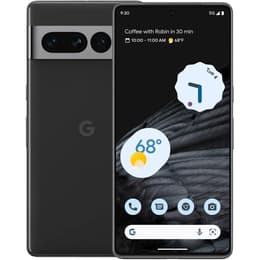
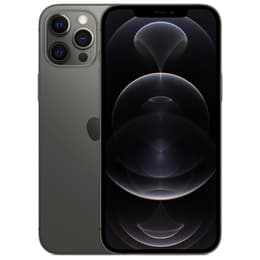
The Google Pixel 7 Pro (released October 2022) and the iPhone 12 Pro Max (released November 2020) represent different approaches to high-end smartphone design and functionality. While both offer large displays and advanced camera systems, the Pixel 7 Pro operates on Android, emphasizing Google's AI-driven features, whereas the iPhone 12 Pro Max runs on iOS, known for its integrated ecosystem. The primary differentiators lie in their camera capabilities, software philosophies, and display technologies.
Color
Storage
When considering the longevity of these devices, several factors come into play, including their release timelines, software support, and physical durability.
Release Year
Last OS Compatibility
OS
Foldable
The performance of a smartphone is crucial for daily tasks, from browsing to demanding applications and multitasking.
The visual experience is a key aspect of modern smartphones, and both devices offer large, high-quality displays.
Resolution
Screen type
Both smartphones are known for their advanced camera systems, offering versatile photography and videography capabilities.
Main camera
Front camera
Beyond core features, several practical elements contribute to the overall user experience and device utility.
Weight
Screen size (inches)
Network
SIM card
Carrier compatibility
The Google Pixel 7 Pro and iPhone 12 Pro Max cater to users with distinct preferences, reflecting their respective operating systems and design philosophies. Users often praise the Pixel 7 Pro for its advanced computational photography, delivering impressive image quality and unique software features like Photo Unblur. Its 120Hz display and larger battery capacity are also frequently highlighted as strong points. Some users, however, note that heavy camera use can significantly impact battery life.
The iPhone 12 Pro Max is generally lauded for its robust build quality, consistent performance, and the seamless integration within the Apple ecosystem. Its video recording capabilities, particularly with Dolby Vision HDR, were a significant feature at its release. Common criticisms sometimes revolve around its 60Hz display, which feels less fluid compared to higher refresh rate screens, and its proprietary Lightning port.
Users prioritizing cutting-edge camera technology, a high refresh rate display, and the flexibility of the Android operating system with Google's AI integrations may find the Pixel 7 Pro well-suited to their needs. Conversely, those who value a highly integrated ecosystem, strong long-term software support, and a familiar user experience might lean towards the iPhone 12 Pro Max. Both devices offer a quality-assured refurbished option, providing an eco-friendly alternative for consumers seeking premium smartphone experiences.