HP EliteBook 830 G7 13" vs Microsoft Surface Laptop 3 13"

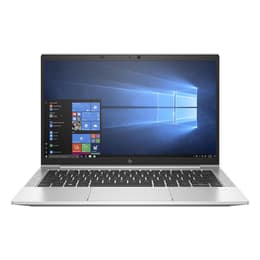
HP EliteBook 830 G7 13"
Starting at

Refurbished price:$254.34

Versus $799.99 new

See options
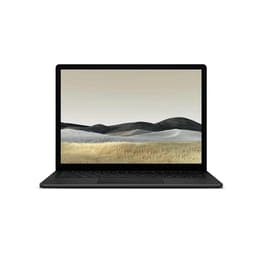
Microsoft Surface Laptop 3 13"
Starting at

Refurbished price:$264.00

Versus $360.00 new

See options

Ratings

The HP EliteBook 830 G7 13 and the Microsoft Surface Laptop 3 13 are both portable laptops designed for productivity and everyday use, released in 2020 and late 2019 respectively. Both devices operate on the Windows platform, offering a familiar user experience. While the EliteBook emphasizes business-grade security and upgradeability, the Surface Laptop focuses on a premium design and a distinctive display aspect ratio. This comparison will explore their practical differences to help users determine which device aligns best with their needs.

Scores

Durability

Evaluating the long-term usability of these laptops involves considering their release timelines, software support, and potential for maintenance.

  • Release Timeline: The Microsoft Surface Laptop 3 13 was released in October 2019, preceding the HP EliteBook 830 G7 13, which launched in May 2020. This difference means the EliteBook generally benefits from a slightly longer period of official software and driver support from its manufacturer.
  • Software Longevity: Both devices run Windows and are eligible for upgrades to newer Windows versions, extending their software lifespan. However, the Surface Laptop 3's official end of support for firmware and driver updates was July 2024, with Windows 10 support expected to end in October 2025. The EliteBook, being newer, will likely receive updates for a longer duration.
  • Repairability: The HP EliteBook 830 G7 offers upgradeable RAM, SSD, and Wi-Fi components, contributing to a potentially longer practical lifespan through user-driven maintenance and upgrades. In contrast, the Surface Laptop 3, while an improvement over its predecessors with a 5/10 iFixit repairability score, has a battery that is difficult to replace due to strong adhesive, and RAM is soldered, limiting user-level upgrades. Its SSD is removable but intended for technician-level service.

Release Year

2020

2019

OS

Windows 11

Windows 11

Performance

Both laptops are equipped with 10th generation Intel Core processors, providing capable performance for daily computing tasks, though their configurations and real-world impacts vary.

  • Processor Capabilities: The HP EliteBook 830 G7 can be configured with various 10th Gen Intel Core i5 or i7 processors, including options like the i7-10810U, which offers robust performance for demanding applications and multitasking. The Microsoft Surface Laptop 3 13 also features 10th Gen Intel Core i5 or i7 processors (i5-1035G7 or i7-1065G7), which handle everyday tasks smoothly. Users report that the Core i7 configurations of the Surface Laptop 3 provide good performance, while the Core i5 model might show some limitations with more strenuous workloads.
  • Memory and Storage: The EliteBook 830 G7 supports up to 64GB of DDR4 RAM and offers SSD storage up to 1TB, with the advantage of user-upgradeable RAM and SSD in many configurations. The Surface Laptop 3 comes with 8GB or 16GB of LPDDR4X RAM, which is soldered and not user-upgradeable, and SSD options up to 1TB, which are removable by a skilled technician.
  • Battery Behavior: The HP EliteBook 830 G7, with its 53Wh battery, demonstrates exceptional battery life, with some tests showing over 21 hours of web browsing and 16 hours of video playback, making it suitable for extended use without charging. The Surface Laptop 3, with a 45.8Wh battery, offers solid battery life, typically around 9 hours of web surfing, and supports fast charging to reach 80% in about an hour.

Memory (GB)

16 GB

8 GB

Processor

Core i7 - Gen 10 (U)

Core i5 - Gen 10 (G7)

Graphic card

Integrated Graphics

Integrated Graphics

Screen quality

The display is a primary interaction point, and both laptops offer distinct visual experiences tailored to different preferences.

  • Display Technology and Resolution: The HP EliteBook 830 G7 features a 13.3-inch Full HD (1920x1080) IPS display, providing clear visuals. The Microsoft Surface Laptop 3 13 stands out with a 13.5-inch PixelSense touchscreen display, offering a higher resolution of 2256x1504 pixels and a 3:2 aspect ratio. This aspect ratio provides more vertical screen space, which can be beneficial for productivity tasks like document editing and web browsing.
  • Brightness and Clarity: The EliteBook 830 G7 offers various display options, including panels with 250 nits, 400 nits, and even 1000 nits with HP Sure View Reflect for enhanced privacy. The Surface Laptop 3's display typically reaches around 348 to 405 nits of brightness, providing vivid images and good visibility for indoor use.
  • Touch and Refresh Rate: The EliteBook 830 G7 is available in both touch and non-touch configurations. The Surface Laptop 3 13 features a 10-point multi-touch display with Surface Pen support, enhancing interactive capabilities. Both typically feature a standard 60Hz refresh rate.

Resolution

1920 x 1080

2256 x 1504

Screen type

IPS

IPS

Audiovisual

For communication and media consumption, both laptops integrate essential audio and visual components.

  • Camera System: Both the HP EliteBook 830 G7 and the Microsoft Surface Laptop 3 13 are equipped with a 720p HD front-facing webcam. The Surface Laptop 3 also includes Windows Hello facial recognition for secure and convenient login.
  • Microphone Quality: The EliteBook 830 G7 features three multi-array microphones, designed to improve ambient noise cancellation and ensure clear audio during calls. The Surface Laptop 3 incorporates dual far-field Studio Mics, which are optimized for clear communication in applications like Microsoft Teams.
  • Speaker Output: The HP EliteBook 830 G7 includes stereo speakers with Bang & Olufsen HD audio, aiming for a rich sound experience. The Microsoft Surface Laptop 3 13 features Omnisonic Speakers with Dolby Audio, which deliver surprisingly loud and clear sound, with audio emanating through the keyboard.

Miscellaneous

Beyond core performance, practical features like connectivity, ports, and physical design contribute to the overall user experience.

  • Connectivity Options: Both laptops support modern wireless standards. The HP EliteBook 830 G7 features Wi-Fi 6 (802.11ax) and Bluetooth 5.0, with optional CAT16 4G/LTE WWAN for mobile connectivity. The Microsoft Surface Laptop 3 13 also supports Wi-Fi 6 (802.11ax) and Bluetooth 5.0.
  • Port Types: The EliteBook 830 G7 offers a comprehensive selection, including two Thunderbolt 3 (USB-C) ports, two USB 3.1 Gen 1 Type-A ports (one for charging), an HDMI 1.4b port, and a 3.5mm audio jack. The Surface Laptop 3 13 provides one USB-A port, one USB-C port (without Thunderbolt 3 support), a 3.5mm headphone jack, and a proprietary Surface Connect port for charging and docking.
  • Weight and Dimensions: The HP EliteBook 830 G7 is designed to be ultrathin and light, with a weight of approximately 1.29 kg (2.84 lbs). The Microsoft Surface Laptop 3 13 is also thin and light, starting at around 1.27 kg (2.8 lbs). Both are highly portable for users on the go.
  • Build Materials: The EliteBook 830 G7 features a precision-crafted machined aluminum (CNC) chassis. The Surface Laptop 3 offers options for an all-metal chassis or an Alcantara fabric keyboard deck, providing different tactile experiences.

Weight

112 oz

45 oz

Screen size

13

13

The HP EliteBook 830 G7 13 and the Microsoft Surface Laptop 3 13 cater to slightly different user priorities, despite both being capable Windows laptops for productivity. Users generally praise the EliteBook 830 G7 for its strong performance, vibrant screen options, and impressive battery life, with many appreciating its suitability for everyday tasks and its sturdy build. Its upgradeable components are also a significant advantage for those who prefer to extend the life of their device through maintenance.

The Microsoft Surface Laptop 3 13 receives commendation for its elegant design, sharp and vivid PixelSense display with a productivity-friendly 3:2 aspect ratio, and comfortable keyboard. While its performance is generally good, some users note that the Core i5 models can be less robust for demanding workloads compared to the Core i7 configurations. A common point of discussion for the Surface Laptop 3 is the absence of Thunderbolt 3 ports and its more limited user repairability compared to the EliteBook.

Users prioritizing extensive battery life, a wider array of ports including Thunderbolt 3, and the flexibility of user-upgradeable components may find the HP EliteBook 830 G7 13 better suited to their needs. Conversely, individuals who value a premium design, a unique high-resolution 3:2 touchscreen display, and a comfortable typing experience might lean towards the Microsoft Surface Laptop 3 13. Both devices represent solid choices for those seeking a quality-assured refurbished option, offering an eco-friendly alternative to new purchases.
See all articles

Our recent comparisons