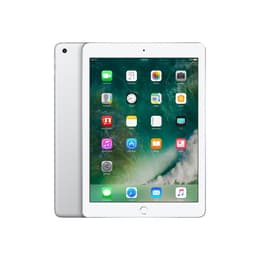
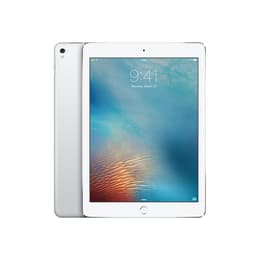
iPad 6 (2018, A10 series) vs iPad Pro (2016, A9 series)

iPad 6 (2018, A10 series)
Starting at

Refurbished price:$68.00

Versus $329.00 new

See options
iPad Pro (2016, A9 series)
Starting at

Refurbished price:$90.00

Versus $599.00 new

See options

Ratings

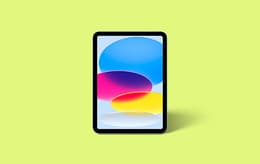
The iPad 2018, also known as the 6th generation iPad, was released in March 2018, while the iPad Pro 2016 refers to the 9.7-inch model launched in March 2016. Both tablets operate on Apple's iPadOS, offering a consistent software experience, but they cater to slightly different user expectations through their hardware capabilities. The iPad Pro 2016, despite being older, introduced several premium features for its time, whereas the iPad 2018 brought updated processing power to a more accessible form factor.

Scores

Durability

When considering the longevity of these devices, several factors come into play, including software support and physical durability.

  • Software Support: The iPad 2018, with its later release, benefits from a longer expected period of major iPadOS updates. It shipped with iOS 11.3 and is upgradable to iPadOS 17.7.10, with potential for future updates. In contrast, the iPad Pro 2016, released earlier, shipped with iOS 9.3.2 and officially concluded its major OS update cycle with iPadOS 16.7.12, meaning it will no longer receive new feature updates, though security updates may continue.
  • Physical Durability: Both models feature an aluminum unibody construction, providing a solid feel. The iPad Pro 2016 is slightly thinner and lighter, which can impact handling over long periods. Repairability scores for iPads generally indicate challenges due to the extensive use of adhesives. The iPad 2018 received a low repairability score of 2 out of 10, primarily due to strong internal adhesives, though its display glass can be replaced separately from the LCD, potentially simplifying some repairs.
  • Expected Lifespan: Users prioritizing the latest software features and security updates will find the iPad 2018 offers a longer practical lifespan in terms of modern app compatibility and system enhancements. The iPad Pro 2016, while still functional for many tasks, is now limited to older software versions.

Release Year

2018

2016

Last OS Compatibility

No

No

OS

iPadOS

iPadOS

Maximum Operating System supported

iPadOS 17

iPadOS 16

Performance

The performance of these two iPads is driven by their respective processors, influencing how smoothly they handle applications and multitasking.

  • Processor Capabilities: The iPad 2018 is equipped with the A10 Fusion chip, offering a quad-core CPU clocked at 2.34 GHz. The iPad Pro 2016 features the A9X chip, a dual-core processor running at 2.16 GHz. While the A10 Fusion generally provides improved CPU performance and efficiency, the A9X was noted for its strong graphics performance for its time.
  • Real-world Usage: For everyday tasks like web browsing, email, and media consumption, both devices offer responsive performance. The iPad 2018 handles demanding applications and multitasking with slightly more fluidity due to its newer processor architecture. Users engaging in more graphically intensive tasks, such as certain games or video editing, might notice the A10 Fusion's advantages in sustained performance. Both models come with 2GB of RAM, which is sufficient for general multitasking but can become a limiting factor with numerous demanding applications open simultaneously.
  • Battery Behavior: The iPad 2018 houses a larger 8827 mAh battery (32.4 Wh) compared to the iPad Pro 2016's 7306 mAh battery (27.9 Wh). Both are rated for approximately 10 hours of web surfing on Wi-Fi, watching video, or listening to music, indicating optimized power management for their respective hardware.

Memory (GB)

2 GB

2 GB

Processor

Apple A10 Fusion

Apple A9X

Screen quality

The display is a significant area of differentiation, with the iPad Pro 2016 offering several advanced features.

  • Display Technology: Both tablets feature a 9.7-inch IPS LCD Retina display with a resolution of 2048 x 1536 pixels, resulting in a pixel density of 264 ppi. However, the iPad Pro 2016's display is fully laminated, meaning there is no air gap between the display panel and the cover glass. The iPad 2018's display is not fully laminated, which can create a noticeable gap and a less direct touch experience.
  • Visual Enhancements: The iPad Pro 2016 includes True Tone technology, which automatically adjusts the display's white balance to match the ambient light, reducing eye strain and making colors appear more natural. It also supports a wider P3 color gamut, offering more vibrant and accurate colors. Additionally, the iPad Pro 2016 features an anti-reflective coating, which helps reduce glare in bright environments. The iPad 2018 lacks these advanced display features, leading to more reflections and a less immersive viewing experience in certain conditions.
  • Viewing Experience: For users who prioritize color accuracy, reduced glare, and a more premium feel when interacting with the screen, the iPad Pro 2016 offers a superior visual experience. The iPad 2018's display, while still clear, presents a more basic viewing experience.

Resolution

2048 x 1536

2048 x 1536

True Tone

No

Yes

Pro-Motion

No

No

Screen type

Retina display

Retina display

Pixel density

264ppp

264ppp

Brightness

500 nits brightness

500 nits brightness

Sound quality

Speakers

Stereo speakers

Four speaker audio

Audiovisual

The camera systems on these two iPads present notable differences, particularly in resolution and advanced features.

  • Rear Camera Capabilities: The iPad Pro 2016 is equipped with a 12-megapixel rear camera capable of recording 4K video at 30 frames per second. It also includes features like PDAF (Phase Detection Autofocus) and a True Tone flash. The iPad 2018 features an 8-megapixel rear camera that records video at 1080p at 30 frames per second. While both are suitable for document scanning and casual photography, the iPad Pro 2016 offers higher resolution and more advanced video recording options.
  • Front Camera and Video Calls: For video calls and selfies, the iPad Pro 2016 has a 5-megapixel front-facing camera. The iPad 2018 has a 1.2-megapixel front camera, which is a more basic offering for video conferencing. Users who frequently engage in video calls will find the iPad Pro 2016 provides a clearer image.
  • Audio Output: The iPad Pro 2016 features a four-speaker audio system, providing a more immersive stereo sound experience, especially when holding the tablet in landscape orientation. The iPad 2018 has stereo speakers, but they are typically located on one side, which can result in less balanced audio output for media consumption.

Miscellaneous

Beyond core performance and display, several practical elements distinguish these two iPad models.

  • Connectivity: Both devices support Wi-Fi 802.11ac with MIMO, offering fast wireless internet speeds. Cellular models for both also support a range of LTE bands for mobile data connectivity. Both utilize the Lightning port for charging and data transfer.
  • Input and Sensors: Both the iPad 2018 and iPad Pro 2016 support the 1st generation Apple Pencil, enabling drawing, note-taking, and annotation. They both include Touch ID for secure authentication, though the iPad Pro 2016's implementation may feel slightly more responsive. The iPad Pro 2016 also features a Smart Connector, allowing for direct attachment and power for accessories like the Smart Keyboard, a feature absent on the iPad 2018.
  • Physical Design: The iPad Pro 2016 is notably thinner at 6.1 mm and lighter at 437 grams (Wi-Fi model) compared to the iPad 2018, which measures 7.5 mm thick and weighs 469 grams (Wi-Fi model). These differences contribute to a more portable and comfortable handling experience for the Pro model.

Weight

17 oz

15 oz

Width

6.8 in

6.6 in

Height

9.8 in

9.4 in

Depth

0.2 in

0.2 in

Screen size (inches)

9.7

9.7

Network

Wi-Fi

Wi-Fi

Carrier compatibility

Without SIM Port

Without SIM Port

Wi-Fi technology

Wi-Fi 6 802.11a/b/g/n/ac

Wi-Fi 6 802.11a/b/g/n/ac

Bluetooth Version

Bluetooth 4.2

Bluetooth 4.2

Face ID

No

No

Touch ID

Yes

Yes

Connector

Lightning connector

Lightning connector

User sentiment often highlights the iPad Pro 2016's premium features, particularly its display and audio, as significant advantages. Many users praise its laminated screen with True Tone and anti-reflective coating for a superior viewing and Apple Pencil experience. The quad-speaker system is also frequently cited for providing a richer audio experience. Criticisms for the iPad Pro 2016 often revolve around its older processor compared to newer models and its earlier end-of-life for major iPadOS updates.

The iPad 2018 is generally well-regarded for its improved processing power over its direct predecessor and its support for the 1st generation Apple Pencil, making it a capable device for general use and educational purposes. However, common concerns include its non-laminated display, which can lead to reflections and a less direct feel when using the Apple Pencil, and its more basic camera system.

Users prioritizing a more advanced display, superior camera capabilities, and immersive audio for media consumption may find the iPad Pro 2016 better suited to their needs, provided they are comfortable with its limited future software updates. For those who value a longer software support timeline, a more recent processor for general tasks, and a slightly larger battery, the iPad 2018 presents a compelling option. Both devices offer a reliable tablet experience, and choosing a quality-assured refurbished option for either model can be an eco-friendly alternative to purchasing new.

See all articles

Our recent comparisons