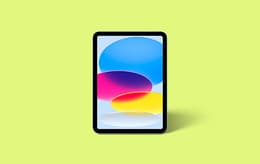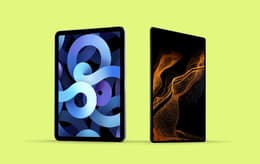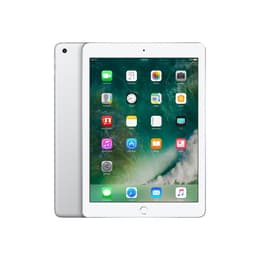
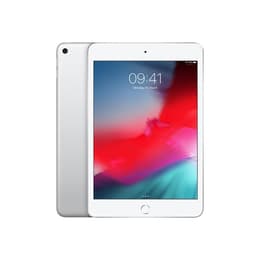
iPad 6 (2018, A10 series) vs iPad mini 5 (2019, A12 series)

iPad 6 (2018, A10 series)
Starting at

Refurbished price:$68.00

Versus $329.00 new

See options
iPad mini 5 (2019, A12 series)
Starting at

Refurbished price:$165.95

Versus $599.00 new

See options

Ratings

The iPad 2018 (6th generation) and the iPad Mini 2019 (5th generation) are two distinct tablet offerings from Apple, released in consecutive years. While the 2018 iPad provides a larger display for a more expansive viewing experience, the 2019 iPad Mini prioritizes portability and integrates a more advanced internal processor. Both devices operate on Apple's iPadOS, ensuring a consistent software ecosystem.

Scores

Durability

When considering the long-term usability of these tablets, their release dates and subsequent software support are key factors. The iPad 2018 was introduced in March 2018, while the iPad Mini 2019 followed in March 2019.

  • OS Support Duration: The iPad 2018 supports up to iPadOS 17, and it is not expected to receive iPadOS 18 or future major updates. In contrast, the iPad Mini 2019, being a year newer and equipped with a more capable processor, is expected to receive software updates for a longer period, potentially supporting iPadOS 26. This difference significantly impacts the duration for which each device will receive new features and security patches.
  • Practical Lifespan: Both devices are constructed with durable aluminum frames and glass fronts. The iPad Mini 2019 features a fully laminated display with an anti-reflective coating, which can offer a more robust feel and potentially better resistance to minor impacts compared to the iPad 2018's non-laminated screen. Users can expect a practical lifespan of several years for both, depending on individual usage patterns and care.
  • Repairability: Both models share a similar design philosophy, and their repairability scores are generally comparable within the iPad lineup of their respective eras.

Release Year

2018

2019

Last OS Compatibility

No

Yes

OS

iPadOS

iPadOS

Maximum Operating System supported

iPadOS 17

iPadOS 18

Performance

The performance capabilities of these two tablets differ primarily due to their internal processing components and available RAM, impacting how smoothly they handle various tasks.

  • Processing Power: The iPad Mini 2019 is equipped with a more advanced processor, which translates to noticeably faster app loading times and smoother performance across demanding applications and multitasking scenarios. The iPad 2018, while capable for everyday tasks, may exhibit slower responsiveness when running multiple applications simultaneously or engaging in graphically intensive activities.
  • Multitasking and Responsiveness: The iPad Mini 2019 features 3GB of RAM, providing more headroom for keeping multiple apps open and switching between them without significant slowdowns. The iPad 2018 comes with 2GB of RAM, which can lead to more frequent app reloads when juggling numerous applications.
  • Storage Options: The iPad Mini 2019 offers storage configurations of 64GB and 256GB, providing more base storage and a higher maximum capacity. The iPad 2018 is available with 32GB and 128GB options.

Memory (GB)

2 GB

3 GB

Processor

Apple A10 Fusion

Apple A12 Bionic

Screen quality

The visual experience on these two tablets presents notable differences, primarily in screen size, display technology, and overall clarity.

  • Display Technology and Clarity: Both tablets feature IPS LCD Retina displays. The iPad Mini 2019 has a 7.9-inch display with a resolution of 2048 x 1536 pixels, resulting in a higher pixel density of 326 pixels per inch (ppi). This higher ppi contributes to sharper text and more detailed images, particularly noticeable when reading or viewing fine details. The iPad 2018 has a larger 9.7-inch display with the same 2048 x 1536 resolution, but a lower pixel density of 264 ppi.
  • Display Features: The iPad Mini 2019 benefits from a fully laminated display, which reduces the gap between the glass and the LCD, making content appear closer to the surface. It also includes an anti-reflective coating and True Tone technology, which automatically adjusts the display's white balance to match the ambient light. The iPad 2018 lacks these features, meaning it has a slight air gap and does not offer True Tone.
  • Brightness and Color: Both displays offer a brightness of 500 nits. The iPad Mini 2019 also supports a wider color gamut (DCI-P3), resulting in more vibrant and accurate colors.

Resolution

2048 x 1536

2048 x 1536

True Tone

No

Yes

Pro-Motion

No

No

Screen type

Retina display

Retina display

Pixel density

264ppp

326ppp

Brightness

500 nits brightness

500 nits brightness

Sound quality

Speakers

Stereo speakers

Stereo speakers

Audiovisual

The camera systems on both tablets are designed for general use, but the iPad Mini 2019 offers improvements, particularly for video calls and front-facing photography.

  • Rear Camera Performance: Both the iPad 2018 and iPad Mini 2019 feature an 8-megapixel rear camera with an f/2.4 aperture, capable of recording 1080p HD video. They perform well in good lighting conditions, capturing adequate detail and color for casual photos and document scanning.
  • Front Camera and Video Calls: The iPad Mini 2019 significantly upgrades the front-facing camera to 7 megapixels, capable of 1080p HD video recording. This provides a clearer image for video conferencing and selfies. The iPad 2018 features a 1.2-megapixel front camera, which is suitable for basic video calls but offers less detail.
  • Audio for Media and Calls: Both tablets include stereo speakers, providing a decent audio experience for media consumption. Microphone quality on both is suitable for voice calls and basic recordings.

Miscellaneous

Beyond core performance and display, several practical elements differentiate these two tablets, influencing their handling and connectivity.

  • Connectivity Options: Both devices support Wi-Fi (802.11ac) and offer optional cellular connectivity. The iPad Mini 2019 features Bluetooth 5.0, offering improved range, speed, and power efficiency compared to the iPad 2018's Bluetooth 4.2.
  • Physical Design and Handling: The iPad Mini 2019 is considerably smaller and lighter, weighing around 300.5 grams and measuring 203.2 x 134.8 x 6.1 mm. This compact size makes it highly portable and comfortable for one-handed use or carrying in smaller bags. The iPad 2018 is larger and heavier at 469 grams and 240 x 169.5 x 7.5 mm, providing a more substantial feel and a larger canvas for tasks.
  • Ports and Sensors: Both tablets include a Lightning port for charging and data transfer, and a 3.5mm headphone jack. They also both feature Touch ID for secure authentication. Both support the first-generation Apple Pencil, making them suitable for note-taking and creative tasks.

Weight

17 oz

10 oz

Width

6.8 in

5.3 in

Height

9.8 in

9.1 in

Depth

0.2 in

0.2 in

Screen size (inches)

9.7

7.9

Network

Wi-Fi

Wi-Fi + 4G

Carrier compatibility

Without SIM Port

Unlocked

Wi-Fi technology

Wi-Fi 6 802.11a/b/g/n/ac

Wi-Fi 6 802.11a/b/g/n/ac

Bluetooth Version

Bluetooth 4.2

Bluetooth 5.0

Face ID

No

No

Touch ID

Yes

Yes

Connector

Lightning connector

Lightning connector

User feedback for the iPad 2018 often praises its value as a general-purpose tablet, highlighting its capable performance for everyday tasks and its larger screen for media consumption and light productivity. Some users note that while its display is good, the lack of lamination and True Tone is a noticeable difference compared to more premium models. Its camera system is generally considered adequate for casual use.

The iPad Mini 2019 is frequently lauded for its exceptional portability, powerful performance for its size, and its vibrant, high-quality display with True Tone. Users appreciate its suitability for reading, gaming on the go, and as a companion device. Criticisms sometimes point to its design, which retains larger bezels compared to newer iPad models.

Users prioritizing a larger screen for immersive media viewing, digital art, or educational tasks where screen real estate is beneficial may prefer the iPad 2018. Its performance is sufficient for web browsing, email, and many apps. Conversely, users who value extreme portability, a more advanced and color-accurate display, and a device that will receive software updates for a longer duration will find the iPad Mini 2019 better suited to their needs. Its enhanced processing power also makes it a stronger choice for more demanding applications and future-proofing. Both models offer a reliable iPadOS experience, and choosing a quality-assured refurbished option can provide an eco-friendly alternative for either device.
See all articles

Our recent comparisons