
iPhones
Compare models
Differences at a glance
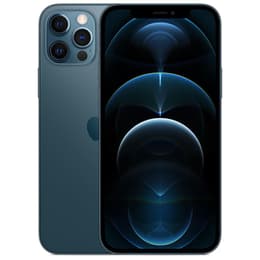
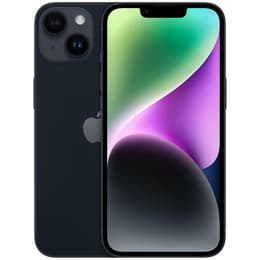
The iPhone 12 Pro, released in October 2020, and the iPhone 14, launched in September 2022, represent different generations within Apple's smartphone lineup. While both devices operate on the iOS platform and offer a familiar user experience, the iPhone 14 introduces a more recent processor, enhanced camera capabilities, and additional safety features compared to its predecessor. This comparison will focus on the practical differences that influence daily usage and help consumers make an informed decision.
Color
Storage
When considering the longevity of these devices, several factors come into play, including their release timelines, software support, and physical durability.
Release Year
Last OS Compatibility
OS
Foldable
The performance of a smartphone is crucial for handling daily tasks, from browsing to demanding applications. Both the iPhone 12 Pro and iPhone 14 offer capable performance, but there are distinctions.
The display is a primary interface for any smartphone, and both the iPhone 12 Pro and iPhone 14 offer high-quality viewing experiences.
Resolution
Screen type
Photography and videography capabilities are a significant consideration for many users, and both iPhones offer advanced camera systems with distinct features.
Main camera
Front camera
Beyond core features, several practical elements contribute to the overall user experience and differentiate these two iPhone models.
Weight
Screen size (inches)
Network
SIM card
Carrier compatibility
Connector
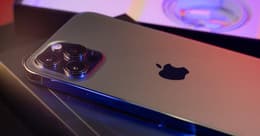
The iPhone 12 Pro and iPhone 14 both offer robust smartphone experiences, but cater to slightly different priorities. Users often praise the iPhone 12 Pro for its premium build quality, including the stainless steel frame and the versatility of its triple-camera system with a dedicated telephoto lens and LiDAR scanner. Some users appreciate its established performance for everyday tasks and its continued software support. However, criticisms sometimes point to its older processor and potentially shorter battery life compared to newer models.
The iPhone 14, on the other hand, is frequently lauded for its improved camera performance, especially in low-light conditions, thanks to its larger sensor and Photonic Engine. Its newer processor provides a snappier experience and better power efficiency, contributing to longer battery life for many users. The inclusion of safety features like Crash Detection and Emergency SOS via Satellite is also a significant advantage for those prioritizing personal safety. Some users might note the absence of a telephoto lens and the aluminum frame as a step down from the Pro models.
Users prioritizing a more advanced camera for low-light photography, longer battery life, and the latest safety features may find the iPhone 14 better suited to their needs. Conversely, those who value a dedicated telephoto lens, a stainless steel build, and a slightly more affordable entry point into the Pro lineup might lean towards the iPhone 12 Pro. Both devices remain capable choices, and opting for a quality-assured refurbished option for either model presents an eco-friendly alternative for consumers.