
Compare models
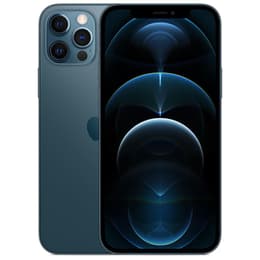
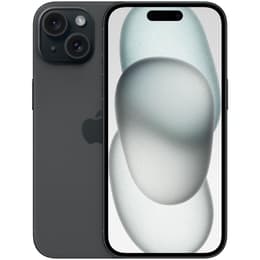
iPhone 12 Pro • Unlocked vs iPhone 15 • Locked AT&T
- 1-year warranty
- Free standard shipping
- Free 30-day returns
Differences at a glance
The iPhone 12 Pro, released in October 2020, and the iPhone 15, launched in September 2023, represent different generations within Apple's smartphone lineup. While both operate on Apple's iOS ecosystem, the iPhone 15 introduces several advancements in processing power, camera technology, and display features, building upon the foundation set by the 12 Pro.
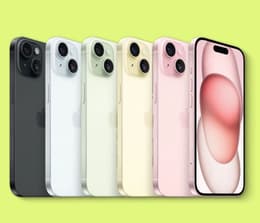
Available Models
Color
Storage (GB)
Scores
Durability
When considering the longevity of these devices, several factors come into play, including their release timelines, expected software support, and physical durability.
- Release Timeline: The iPhone 12 Pro was released in October 2020, making it an older model compared to the iPhone 15, which launched in September 2023. This difference in release date directly impacts their remaining software support.
- Software Longevity: Apple typically provides iOS updates for 5-6 years from a device's release. The iPhone 12 Pro is expected to receive updates until late 2025 or 2026, while the iPhone 15, being newer, will likely continue to receive updates until late 2028 or 2029, offering a longer period of access to the latest features and security patches.
- Durability Features: Both models feature a Ceramic Shield front cover and an IP68 rating for water and dust resistance, indicating a similar level of physical resilience against everyday elements.
Release Year
2020
2023
Last OS Compatibility
Yes
Yes
OS
iOS
iOS
Foldable
No
No
Performance
The performance of a smartphone is crucial for daily tasks, from app usage to demanding games. Both the iPhone 12 Pro and iPhone 15 offer capable performance, but the newer model benefits from more recent hardware.
- Everyday Responsiveness: The iPhone 15 features a more advanced processor, which translates to smoother app launches, more fluid multitasking, and generally snappier performance compared to the iPhone 12 Pro.
- Demanding Applications: For users engaging in graphically intensive games or complex video editing on their device, the iPhone 15 provides a noticeable advantage with its enhanced graphics processing capabilities, leading to a more consistent and responsive experience.
- Storage Options: Both devices offer a range of internal storage options, typically starting from 128GB and going up to 512GB, providing ample space for apps, photos, and videos.
Screen quality
The display is a primary interface for any smartphone, and both iPhones offer high-quality viewing experiences, though with some key distinctions.
- Display Technology: Both the iPhone 12 Pro and iPhone 15 feature Super Retina XDR OLED displays, known for their deep blacks, high contrast, and vibrant color reproduction.
- Brightness and Clarity: The iPhone 15 offers significantly higher peak brightness, especially for outdoor use, reaching up to 2000 nits compared to the iPhone 12 Pro's 1200 nits for HDR content. This makes the iPhone 15's screen more legible in bright sunlight.
- Screen Features: While both have a 6.1-inch display, the iPhone 15 introduces the Dynamic Island, which replaces the traditional notch and offers an interactive area for alerts and background activities. Both maintain a standard 60Hz refresh rate.
Resolution
1170 x 2532
1179 x 2556
Screen type
Super Retina XDR OLED
Audiovisual
Camera capabilities are a significant consideration for many users, and both iPhones deliver strong photographic and videographic performance, with the iPhone 15 featuring notable advancements.
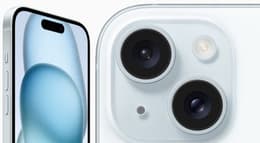
- Main Camera System: The iPhone 15 boasts a 48MP main camera, a substantial upgrade from the iPhone 12 Pro's 12MP main sensor. This allows the iPhone 15 to capture more detail and offers a 2x telephoto option through sensor cropping. The iPhone 12 Pro features a triple 12MP camera system, including a dedicated telephoto lens.
- Low-Light and Everyday Photography: The iPhone 15 benefits from improved computational photography, including the Photonic Engine and Smart HDR 5, which enhance low-light performance and overall image quality, particularly in challenging lighting conditions. The iPhone 12 Pro also offers strong low-light performance with its larger sensor and Night mode capabilities.
- Video Recording: Both models support 4K video recording with Dolby Vision HDR. The iPhone 15 offers further refinements in video stabilization and dynamic range.
Main camera
12 megapixels
48 megapixels
Front camera
12 megapixels
12 megapixels
Miscellaneous
Beyond core performance and display, several other features contribute to the overall user experience and practical utility of these smartphones.
- Connectivity: Both devices support 5G connectivity for faster cellular speeds. The iPhone 15 includes Wi-Fi 6E and Bluetooth 5.3, offering more advanced wireless connectivity compared to the iPhone 12 Pro's Wi-Fi 6 and Bluetooth 5.0.
- Charging Port: A significant difference is the charging port; the iPhone 12 Pro uses Apple's proprietary Lightning port, while the iPhone 15 transitions to a USB-C port, aligning with a more universal standard.
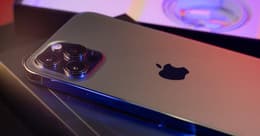
- Physical Design: The iPhone 12 Pro features a stainless steel frame and a textured matte glass back, while the iPhone 15 has an aluminum design with a color-infused glass back and slightly more rounded edges, contributing to a lighter feel. The iPhone 15 is also slightly lighter than the iPhone 12 Pro.
Weight
7 oz
171 oz
Screen size (inches)
6.1
6.1
Network
5G
5G
SIM card
Physical SIM + eSIM
eSIM
Carrier compatibility
Unlocked
AT&T
Connector
Lightning
USB-C (USB 2)
What the community thinks
The iPhone 12 Pro and iPhone 15 cater to users with varying priorities. The iPhone 12 Pro, as an older flagship, still offers a robust experience with its capable camera system, durable build, and vibrant OLED display. Users who prioritize a triple-camera setup with a dedicated telephoto lens and are comfortable with the Lightning port may find the iPhone 12 Pro to be a suitable choice. Its performance remains adequate for most everyday tasks and many demanding applications.
On the other hand, the iPhone 15 presents a more modern package with significant upgrades. Users prioritizing the latest processing power for future-proofing, enhanced camera capabilities with a higher-resolution main sensor and improved low-light performance, and the versatility of a USB-C port will find the iPhone 15 better suited to their needs. The brighter display with Dynamic Island also offers a more contemporary user experience.
Ultimately, the decision between these two devices depends on individual requirements for performance, camera features, and connectivity. Both models, especially when considering quality-assured refurbished options, offer a sustainable choice for consumers looking to extend the life cycle of electronic products.