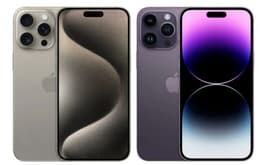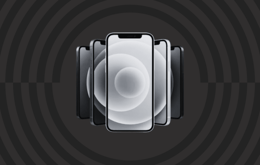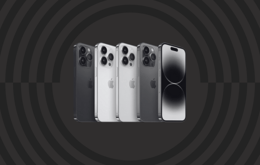

iPhone 12 • Unlocked vs iPhone 14 Pro Max • Locked AT&T

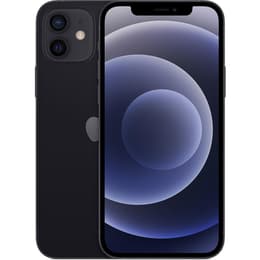
iPhone 12 • Unlocked
Starting at

Refurbished price:$172.00

Versus $629.00 new

See options
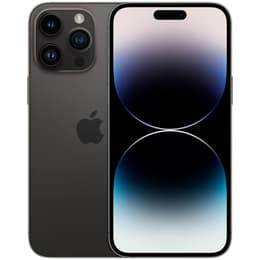
iPhone 14 Pro Max • Locked AT&T
Starting at

Refurbished price:$409.00

Versus $1,399.00 new

See options

Ratings

The iPhone 12, released in October 2020, and the iPhone 14 Pro Max, launched in September 2022, represent different generations within Apple's smartphone lineup. While both operate on Apple's iOS ecosystem, the iPhone 14 Pro Max introduces a larger display, a more advanced camera system, and enhanced performance capabilities compared to its predecessor.

Scores

Durability

When considering the practical lifespan of these devices, several factors come into play, including software support, physical durability, and ease of repair.

  • Software Longevity: The iPhone 12, having been released in late 2020, is expected to receive major iOS updates for approximately 5-6 years from its launch. The iPhone 14 Pro Max, released two years later in 2022, will consequently benefit from an extended period of software support, likely receiving updates for a year or two longer than the iPhone 12.
  • Physical Durability: Both models feature Ceramic Shield front covers, which offer improved drop performance. Both also carry an IP68 rating for water and dust resistance, meaning they can withstand submersion in up to 6 meters of water for up to 30 minutes. The iPhone 14 Pro Max, however, uses a stainless steel frame, which is generally considered more resistant to bending and scratches than the aluminum frame of the iPhone 12.
  • Repairability: The iPhone 12 received a repairability score of 6 out of 10 from iFixit, indicating that many components are replaceable. However, some repairs, particularly for the camera and screen, may require proprietary software calibration from Apple, potentially complicating independent repairs. While a specific iFixit score for the iPhone 14 Pro Max isn't readily available, newer iPhones generally present similar challenges for independent repair due to software pairing of components.

Release Year

2020

2022

Last OS Compatibility

Yes

Yes

OS

iOS

iOS

Foldable

No

No

Performance

The performance difference between these two models is notable, primarily due to the generational leap in their internal processing capabilities and memory configurations.

  • Processing Power: The iPhone 14 Pro Max features a significantly more advanced processor than the iPhone 12. This translates to faster app loading times, smoother multitasking, and more efficient handling of graphically intensive games and demanding applications. Users engaging in video editing or complex computational tasks will experience a more responsive device with the iPhone 14 Pro Max.
  • Multitasking and Storage: The iPhone 14 Pro Max comes with 6GB of RAM, providing more headroom for keeping multiple applications open and switching between them seamlessly. The iPhone 12 has 4GB of RAM. Both devices offer various storage options, with the iPhone 14 Pro Max extending up to 1TB, while the iPhone 12 maxes out at 256GB.
  • Battery Behavior: The iPhone 14 Pro Max generally offers extended battery life compared to the iPhone 12, a common advantage of the larger 'Max' models and more efficient components. Users often report that the iPhone 14 Pro Max can comfortably last a full day of heavy use, with some tests showing over 12 hours of continuous web browsing. The iPhone 12 provides reliable all-day power for typical usage, but heavy users may find themselves needing to recharge sooner.

Memory (GB)

4 GB

6 GB

Screen quality

The visual experience on these two iPhones differs significantly, particularly in terms of size, brightness, and display technology features.

  • Display Technology and Size: Both devices utilize Super Retina XDR OLED displays, offering deep blacks and vibrant colors. However, the iPhone 14 Pro Max boasts a larger 6.7-inch display compared to the iPhone 12's 6.1-inch screen, providing a more expansive viewing area for media consumption and productivity.
  • Refresh Rate and Smoothness: A key differentiator is the refresh rate. The iPhone 14 Pro Max features ProMotion technology, offering an adaptive refresh rate that can scale from 1Hz up to 120Hz. This results in noticeably smoother scrolling, more fluid animations, and a more responsive feel during gaming. The iPhone 12 has a standard 60Hz refresh rate, which is still smooth for everyday use but lacks the enhanced fluidity of ProMotion.
  • Brightness and Clarity: The iPhone 14 Pro Max offers superior brightness, with a typical maximum of 1000 nits, peaking at 1600 nits for HDR content and up to 2000 nits for outdoor visibility. The iPhone 12 has a typical brightness of 625 nits and a peak HDR brightness of 1200 nits. This higher brightness on the 14 Pro Max improves readability in bright sunlight and enhances the visual impact of HDR content.

Resolution

1170 x 2532

1290 x 2796

Screen type

Super Retina XDR OLED

LTPO Super Retina XDR OLED

Audiovisual

The camera systems on the iPhone 12 and iPhone 14 Pro Max represent distinct advancements, with the latter offering a more versatile and capable setup.

  • Rear Camera System: The iPhone 12 features a dual 12MP camera system with a Wide (f/1.6) and an Ultra Wide (f/2.4) lens. The iPhone 14 Pro Max steps up to a Pro camera system, including a 48MP Main sensor (f/1.78) with second-generation sensor-shift optical image stabilization, a 12MP Ultra Wide (f/2.2), and a 12MP Telephoto lens (f/2.8) capable of 3x optical zoom. The larger main sensor on the 14 Pro Max allows for more detailed photos, especially in good lighting, and improved low-light performance.
  • Photography Features: Both models offer features like Night Mode, Deep Fusion, and Portrait Mode. However, the iPhone 14 Pro Max introduces the Photonic Engine for enhanced image processing, Smart HDR 4, and the ability to capture 48MP ProRAW photos for greater editing flexibility. It also includes Night Mode portraits enabled by its LiDAR scanner.
  • Video Capabilities: Both can record 4K HDR video with Dolby Vision. The iPhone 12 supports this up to 30 frames per second (fps). The iPhone 14 Pro Max extends this with Cinematic mode up to 4K HDR at 30fps, Action mode for stabilized video, and ProRes video recording up to 4K at 30fps (with sufficient storage). The front-facing camera on the 14 Pro Max also gains autofocus, improving selfie clarity.

Main camera

12 megapixels

48 megapixels

Front camera

12 megapixels

12 megapixels

Miscellaneous

Beyond the core features, several practical elements differentiate the user experience between these two iPhone models.

  • Connectivity and Ports: Both devices support 5G cellular connectivity and Wi-Fi 6. The iPhone 14 Pro Max features Bluetooth 5.3, an upgrade from the iPhone 12's Bluetooth 5.0, offering improved efficiency and range with compatible accessories. Both continue to use the Lightning port for charging and data transfer.
  • Biometric Security and Sensors: Both models rely on Face ID for secure facial recognition. The iPhone 14 Pro Max includes additional sensors and features such as Crash Detection and Emergency SOS via Satellite, enhancing safety capabilities.
  • Design and Handling: The iPhone 12 features a flat-edge design with an aluminum frame, weighing 162 grams. The iPhone 14 Pro Max, with its larger screen and stainless steel frame, is a heavier device at 240 grams. This difference in weight and size impacts one-handed usability and pocketability. The iPhone 14 Pro Max also introduces the Dynamic Island, a redesigned notch area that dynamically adapts to alerts, activities, and notifications.

Weight

7 oz

8 oz

Screen size (inches)

6.1

6.7

Network

5G

5G

SIM card

Physical SIM + eSIM

eSIM

Carrier compatibility

Unlocked

AT&T

Connector

Lightning

Lightning

The iPhone 12 and iPhone 14 Pro Max cater to different user needs and priorities. User feedback for the iPhone 12 often praises its compact size, capable camera for everyday photography, and solid performance for general use. Common criticisms sometimes point to its 60Hz display feeling less fluid compared to newer devices and its battery life being adequate but not exceptional for heavy users.

Conversely, the iPhone 14 Pro Max receives widespread acclaim for its exceptional battery life, vibrant and smooth ProMotion display, and highly versatile camera system, particularly its low-light performance and advanced video capabilities. Users appreciate the Dynamic Island for its innovative approach to notifications and multitasking. Some users, however, note its larger size and weight as a factor impacting comfort, and some early reports mentioned varied battery performance depending on usage patterns like the Always-On display.

Users prioritizing a more compact and lighter device for essential smartphone functions, with a capable camera and reliable performance, may find the iPhone 12 suitable. It remains a strong option for those who value a balance of features in a smaller form factor. For individuals who demand the latest in mobile photography, a larger and more immersive display with adaptive refresh rates, and extended battery endurance for power-intensive tasks, the iPhone 14 Pro Max stands out. Its advanced features are particularly beneficial for content creators, mobile gamers, and professionals who rely heavily on their device throughout the day.

Both models are available as quality-assured refurbished options, providing an eco-friendly alternative for consumers looking to make a sustainable choice while still enjoying premium technology.


See all articles

Our recent comparisons