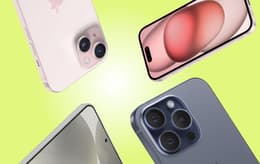
iPhone 12 • Unlocked vs iPhone 15 • Locked T-Mobile

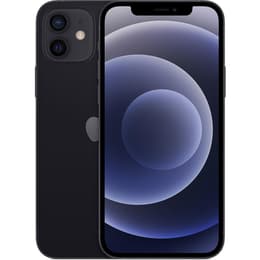
iPhone 12 • Unlocked
Starting at

Refurbished price:$172.96

Versus $629.00 new

See options
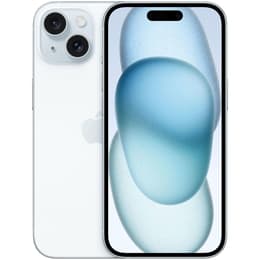
iPhone 15 • Locked T-Mobile
Starting at

Refurbished price:$379.00

Versus $699.00 new

See options

Ratings

The iPhone 12, released in October 2020, and the iPhone 15, launched in September 2023, represent different generations within Apple's smartphone lineup. While both devices operate on the iOS platform and offer a familiar user experience, the iPhone 15 introduces notable advancements in its internal components, camera system, and connectivity options. These differences cater to varying user needs and priorities.

Scores

Durability

Evaluating the practical lifespan of these devices involves considering their release timelines and ongoing software support.

  • Release Timeline: The iPhone 12 was released in October 2020, making it an older model compared to the iPhone 15, which launched in September 2023. This age difference directly impacts the duration of future software updates.
  • Software Longevity: Newer devices typically receive operating system updates for a longer period. The iPhone 15 is expected to receive iOS updates for several years longer than the iPhone 12, offering extended access to new features, security patches, and app compatibility. The iPhone 12 has received iOS 18, and is compatible with iOS 26, while the iPhone 15 launched with iOS 17 and is compatible with iOS 26.
  • Physical Durability: Both models feature Apple's Ceramic Shield front cover for enhanced drop performance and are rated IP68 for water and dust resistance, meaning they can withstand submersion in up to 6 meters of water for 30 minutes.

Release Year

2020

2023

Last OS Compatibility

Yes

Yes

OS

iOS

iOS

Foldable

No

No

Performance

The performance of a smartphone impacts how smoothly applications run, how quickly tasks are completed, and the overall responsiveness of the device.

  • Processing Power: The iPhone 15 features a more advanced processor, which translates to faster app loading times, smoother multitasking, and improved handling of graphically intensive games and applications. Users engaging in demanding activities will notice a more fluid experience.
  • System Responsiveness: With its newer internal architecture, the iPhone 15 offers enhanced overall system responsiveness, making everyday interactions feel quicker and more immediate. The iPhone 12, while still capable for general use, may exhibit slight delays in comparison, particularly with newer, more resource-intensive software.
  • Battery Behavior: The iPhone 15 generally provides improved battery life compared to the iPhone 12, allowing for longer usage between charges. This is beneficial for users who spend extended periods away from charging points.

Memory (GB)

4 GB

6 GB

Screen quality

Both devices offer high-quality displays, but there are distinctions in brightness and interactive elements.

  • Display Technology and Size: Both the iPhone 12 and iPhone 15 feature 6.1-inch Super Retina XDR OLED displays, providing deep blacks, vibrant colors, and excellent contrast.
  • Resolution and Clarity: The iPhone 15 has a slightly higher resolution of 2556 x 1179 pixels compared to the iPhone 12's 2532 x 1170 pixels, both resulting in a pixel density of approximately 460 pixels per inch (ppi), ensuring sharp and clear visuals.
  • Brightness and Features: The iPhone 15 offers significantly higher typical brightness (1000 nits) and peak outdoor brightness (2000 nits) compared to the iPhone 12 (625 nits typical, 1200 nits peak HDR), making content more visible in bright sunlight. Additionally, the iPhone 15 incorporates the Dynamic Island, an interactive area around the front camera that displays alerts and live activities.

Resolution

1170 x 2532

1179 x 2556

Screen type

Super Retina XDR OLED

Super Retina XDR OLED

Audiovisual

The camera systems on both iPhones are capable, but the iPhone 15 brings substantial upgrades to photography and videography.

  • Main Camera System: The iPhone 15 features a more advanced dual-camera system with a 48-megapixel main sensor, offering greater detail and improved low-light performance, along with a 12-megapixel ultra-wide camera. The iPhone 12 has a dual 12-megapixel camera system with wide and ultra-wide lenses.
  • Photography Features: The iPhone 15 benefits from newer computational photography features like the Photonic Engine and Smart HDR 5, which enhance image quality, especially in challenging lighting conditions. It also offers a 2x telephoto option enabled by the main sensor. The iPhone 12 includes features like Night mode, Deep Fusion, and Smart HDR 3.
  • Video Recording: Both devices support 4K Dolby Vision HDR video recording. The iPhone 15 can record at up to 60 frames per second (fps) in 4K Dolby Vision HDR, while the iPhone 12 is limited to 30 fps for this format.

Main camera

12 megapixels

48 megapixels

Front camera

12 megapixels

12 megapixels

Miscellaneous

Beyond core features, several practical elements differentiate these two iPhone models.

  • Connectivity: Both phones support 5G cellular connectivity and Wi-Fi. The iPhone 15 includes Wi-Fi 6E and Bluetooth 5.3, offering faster wireless speeds and more efficient connections compared to the iPhone 12's Wi-Fi 6 and Bluetooth 5.0.
  • Charging Port: A significant change is the iPhone 15's adoption of a USB-C port, replacing the Lightning port found on the iPhone 12. While the standard iPhone 15's USB-C port supports USB 2.0 data transfer speeds, it offers broader compatibility with other devices and accessories. The 'T-Mobile' designation for the iPhone 15 indicates it may be carrier-locked to that network, which is a consideration for users seeking flexibility.
  • Physical Design and Sensors: The iPhone 15 maintains a similar form factor to the iPhone 12, with both featuring an aluminum frame and glass back with Ceramic Shield. The iPhone 15 is slightly heavier at 171 grams compared to the iPhone 12's 164 grams, and marginally thicker. Both utilize Face ID for secure authentication.

Weight

7 oz

171 oz

Screen size (inches)

6.1

6.1

Network

5G

5G

SIM card

Physical SIM + eSIM

eSIM

Carrier compatibility

Unlocked

T-Mobile

Connector

Lightning

USB-C (USB 2)

Choosing between the iPhone 12 and iPhone 15 involves weighing the benefits of a newer device against the continued capabilities of an earlier model. The iPhone 15 is often praised for its significantly upgraded camera system, particularly the 48-megapixel main sensor, and the introduction of the Dynamic Island, which enhances user interaction. Users also appreciate the shift to USB-C for its universal compatibility, despite the standard model retaining USB 2.0 data transfer speeds. Some common feedback for the iPhone 15 notes that while the display is brighter, the 60Hz refresh rate remains unchanged from previous non-Pro models.

The iPhone 12, while older, is still recognized for its robust performance for everyday tasks, its durable design with Ceramic Shield, and its reliable iOS experience. Criticisms often center on its aging camera technology compared to newer models and the Lightning port, which is becoming less common across other electronic devices.

Users prioritizing advanced photography capabilities, a brighter display with the Dynamic Island, and the convenience of a USB-C port will find the iPhone 15 well-suited to their needs. It offers a more future-proof experience with longer software support and enhanced performance for demanding applications. Conversely, users seeking a dependable smartphone for general use, who may not require the latest camera innovations or the Dynamic Island, could consider the iPhone 12. It continues to provide a solid iOS experience and benefits from being a quality-assured refurbished option, offering an eco-friendly alternative for those looking to extend the life cycle of electronic products.
See all articles

Our recent comparisons