
iPhone 14 • Locked AT&T vs OnePlus 10 Pro • Unlocked

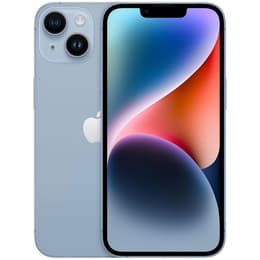
iPhone 14 • Locked AT&T
Starting at

Refurbished price:$225.72

Versus $629.00 new

See options
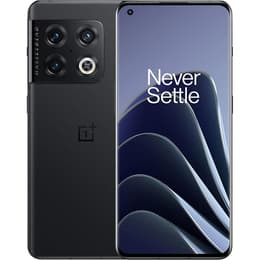
OnePlus 10 Pro • Unlocked
Starting at

Refurbished price:$369.00

Versus $999.00 new

See options

Ratings

The iPhone 14, released in September 2022, and the OnePlus 10 Pro, launched globally in early 2022, represent distinct approaches to flagship smartphones. While the iPhone 14 operates on Apple's iOS ecosystem, the OnePlus 10 Pro runs on Android, specifically OxygenOS based on Android 12 at launch. These devices offer different user experiences, primarily differentiated by their operating systems, camera philosophies, and display technologies.

Scores

Durability

When considering the long-term usability of these devices, their release timelines and software support are key factors.

  • Release Timeline: The OnePlus 10 Pro was unveiled in January 2022, with global availability starting in March and April 2022, making it several months older than the iPhone 14, which debuted in September 2022.
  • Software Longevity: The iPhone 14 is expected to receive iOS updates for approximately 5-6 years from its release, offering a longer software support window. The OnePlus 10 Pro was promised three major Android OS upgrades and four years of security updates, meaning it would receive updates up to Android 15 and security patches until March 2026.
  • Durability Features: The iPhone 14 features a Ceramic Shield front and an aluminum design, along with IP68 water and dust resistance. The OnePlus 10 Pro utilizes Gorilla Glass Victus for screen protection and some models offer an IP rating, though not universally across all regions. The iPhone 14 also introduced an internal design change that makes the back glass easier to remove, potentially lowering repair costs.

Release Year

2022

2022

Last OS Compatibility

Yes

Yes

OS

iOS

Android

Foldable

No

No

Performance

Both smartphones are equipped with powerful internals designed for smooth operation, though their approaches to performance management and storage differ.

  • Processor Capabilities: The iPhone 14 is powered by a processor that delivers responsive performance for demanding applications and multitasking. The OnePlus 10 Pro also features a high-end processor, providing strong performance for everyday tasks and gaming.
  • Multitasking and Responsiveness: Users of both devices can expect fluid navigation and quick app loading times. The iPhone 14's processor, while also used in a previous generation Pro model, still offers performance that keeps pace with many contemporary Android phones. The OnePlus 10 Pro, with its high-speed RAM and storage, ensures a snappy and responsive user experience.
  • Storage Options: The iPhone 14 is available with 128GB, 256GB, and 512GB storage capacities. The OnePlus 10 Pro offers storage configurations of 128GB and 256GB, with some regions having a 512GB option.
  • Battery Behavior: The iPhone 14 offers improved battery life compared to its direct predecessor, often lasting through a full day of typical use. The OnePlus 10 Pro is equipped with a larger battery capacity, and reviews indicate it can last for a full day of use, with some users reporting up to 43 hours between charges with light usage.

Memory (GB)

6 GB

12 GB

Screen quality

The visual experience on both devices is a highlight, though they employ different display technologies and specifications.

  • Display Technology and Size: The iPhone 14 features a 6.1-inch Super Retina XDR OLED display, known for its deep blacks and vibrant colors. The OnePlus 10 Pro boasts a larger 6.7-inch LTPO2 Fluid AMOLED display, offering a more expansive viewing area.
  • Resolution and Clarity: The iPhone 14 has a resolution of 2532 x 1170 pixels, resulting in a pixel density of approximately 460 PPI. The OnePlus 10 Pro offers a higher resolution of 1440 x 3216 pixels (QHD+), with a pixel density of around 525 PPI, providing sharp and detailed visuals.
  • Refresh Rate and Smoothness: The iPhone 14 maintains a standard 60Hz refresh rate. In contrast, the OnePlus 10 Pro features an adaptive 120Hz refresh rate, which can dynamically adjust to content, contributing to smoother scrolling and a more fluid visual experience.
  • Brightness: Both displays offer good brightness levels. The iPhone 14 reaches 800 nits typical brightness and up to 1200 nits peak brightness for HDR content. The OnePlus 10 Pro can achieve up to 1300 nits peak brightness, which aids visibility in bright outdoor conditions.

Resolution

1170 x 2532

1440 x 3216

Screen type

Super Retina XDR OLED

LTPO2 Fluid AMOLED

Audiovisual

Both devices offer capable camera systems, but they differ in their configurations and photographic features.

  • Rear Camera System: The iPhone 14 features a dual-camera system with a 12MP main sensor (f/1.5) and a 12MP ultra-wide sensor (f/2.4). It includes improvements for low-light performance and a new Photonic Engine for enhanced image processing. The OnePlus 10 Pro comes with a triple camera setup, co-developed with Hasselblad, including a 48MP main sensor, a 50MP ultra-wide sensor with a 150-degree field of view, and an 8MP telephoto lens offering 3.3x optical zoom.
  • Photography Performance: The iPhone 14 excels in everyday photography and offers features like Cinematic mode for video and Action mode for stabilized video recording. The OnePlus 10 Pro's Hasselblad collaboration aims for natural color calibration, and its ultra-wide lens captures a very broad perspective. It also supports features like Hasselblad Pro Mode for advanced users.
  • Video Recording: The iPhone 14 supports 4K video recording at up to 60fps, with HDR Dolby Vision. The OnePlus 10 Pro is capable of recording 8K video at 24fps and 4K video at up to 120fps, providing more options for high-resolution and slow-motion content.
  • Front Camera: The iPhone 14 includes a 12MP TrueDepth front camera with autofocus. The OnePlus 10 Pro features a 32MP front camera.

Main camera

12 megapixels

48 megapixels

Front camera

12 megapixels

32 megapixels

Miscellaneous

Beyond core performance and display, several practical elements contribute to the overall user experience of each device.

  • Connectivity: Both phones support 5G connectivity. The iPhone 14 includes Wi-Fi 6 and Bluetooth 5.3. The OnePlus 10 Pro also features Wi-Fi 6 and Bluetooth 5.2.
  • Ports and Sensors: The iPhone 14 retains the Lightning port and includes Face ID for secure authentication. The OnePlus 10 Pro uses a USB-C 3.1 port and features an in-display optical fingerprint sensor for unlocking.
  • Physical Characteristics: The iPhone 14 weighs 172 grams and measures 146.7 x 71.5 x 7.80 mm. The OnePlus 10 Pro is slightly heavier at 200 grams and larger, with dimensions of 163 x 73.9 x 8.55 mm.
  • Build Materials: The iPhone 14 features a Ceramic Shield front, glass back, and an aluminum frame. The OnePlus 10 Pro uses Gorilla Glass Victus on the front and has a ceramic camera module.

Weight

6 oz

7 oz

Width

2,82 in

4 in

Height

5,78 in

8 in

Depth

0,31 in

3 in

Screen size (inches)

6.1

6.7

Network

5G

5G

SIM card

eSIM

Physical SIM

Carrier compatibility

AT&T

Unlocked

The iPhone 14 and OnePlus 10 Pro cater to users with differing priorities, reflecting their distinct operating systems and design philosophies.

Users often praise the iPhone 14 for its consistent camera performance, particularly in video recording, and its robust software ecosystem with long-term update support. Common criticisms sometimes point to its 60Hz display and the lack of a telephoto lens in the standard model. The OnePlus 10 Pro is frequently lauded for its vibrant, high-refresh-rate display, rapid charging capabilities, and versatile camera system with a wide-angle lens. Some users have noted that its camera performance, while good, might not always match the consistency of top-tier competitors in all scenarios, and its software update policy, while improved, is shorter than Apple's.

Users prioritizing a seamless, long-supported software experience within the Apple ecosystem and consistent photo and video quality may find the iPhone 14 well-suited to their needs. Those who value a larger, high-refresh-rate display, faster charging, and the flexibility of the Android operating system, along with a more versatile camera setup including a telephoto lens, might lean towards the OnePlus 10 Pro. Both devices offer compelling features, and choosing between them often comes down to personal preference for operating system and specific feature priorities. For those seeking a more sustainable choice, both models are available as quality-assured refurbished options.

See all articles

Our recent comparisons