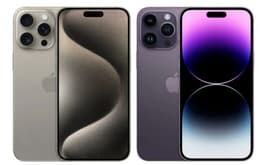
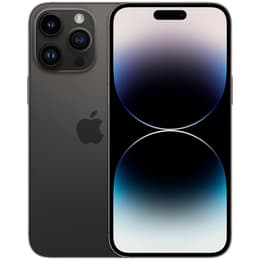

iPhone 14 Plus • Unlocked vs iPhone 14 Pro Max • Locked T-Mobile

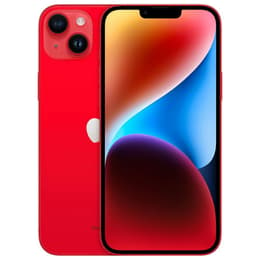
iPhone 14 Plus • Unlocked
Starting at

Refurbished price:$288.32

Versus $729.00 new

See options
iPhone 14 Pro Max • Locked T-Mobile
Starting at

Refurbished price:$413.00

Versus $1,099.00 new

See options

Ratings

The iPhone 14 Plus and the iPhone 14 Pro Max, both released in 2022, offer large-screen smartphone experiences within Apple's ecosystem. While sharing the same operating system and a similar physical footprint, they cater to different user priorities through distinct display technologies, camera capabilities, and internal components. The iPhone 14 Plus emphasizes a spacious display and robust battery life, whereas the iPhone 14 Pro Max introduces advanced features for users seeking professional-grade photography, a more dynamic visual experience, and enhanced performance.

Scores

Durability

Both the iPhone 14 Plus and iPhone 14 Pro Max were released in 2022, with the Pro Max arriving in September and the Plus in October. This means they benefit from Apple's consistent software support, typically extending for five to six years from their launch. Users can expect regular iOS updates, ensuring access to new features and security enhancements for several years.

  • Software Longevity: Both models are expected to receive software updates until at least 2027 or 2028, providing a long practical lifespan for software features and security.
  • Physical Durability: Both devices feature a Ceramic Shield front cover and an IP68 rating for dust and water resistance, offering protection against everyday spills and submersion.
  • Repairability Considerations: While the iPhone 14 Plus initially showed promise for easier internal access, independent repair has become challenging for both models due to Apple's software-based part pairing requirements, which can limit functionality if non-authorized parts are used.

Release Year

2022

2022

Last OS Compatibility

Yes

Yes

OS

iOS

iOS

Foldable

No

No

Performance

The performance of these two large iPhones differs primarily in their underlying processing power and how that translates to demanding tasks and overall system fluidity.

  • Processing Power: The iPhone 14 Plus is equipped with a capable processor that handles everyday applications, multitasking, and most games smoothly. The iPhone 14 Pro Max, however, features a newer generation processor, providing faster processing speeds and improved efficiency, particularly noticeable in more intensive applications and advanced camera computations.
  • Multitasking and Responsiveness: Both devices come with 6GB of RAM, allowing for efficient multitasking. The Pro Max utilizes a faster type of RAM, which contributes to its slightly more responsive feel, especially when switching between numerous demanding applications.
  • Storage Options: The iPhone 14 Plus offers storage configurations up to 512GB, suitable for most users. The iPhone 14 Pro Max extends this further with an additional 1TB option, catering to users who require extensive storage for high-resolution media and numerous applications.

Memory (GB)

6 GB

6 GB

Screen quality

Both the iPhone 14 Plus and iPhone 14 Pro Max feature expansive 6.7-inch Super Retina XDR OLED displays, delivering vibrant colors and deep blacks.

  • Refresh Rate and Smoothness: The iPhone 14 Plus has a standard 60Hz refresh rate, providing a consistent visual experience. The iPhone 14 Pro Max, however, includes ProMotion technology, allowing its display to dynamically adjust its refresh rate from 1Hz to 120Hz. This results in noticeably smoother scrolling, more fluid animations, and a more responsive feel during gaming or fast-paced content.
  • Brightness and Outdoor Visibility: The iPhone 14 Plus offers good brightness for typical use and HDR content. The iPhone 14 Pro Max significantly surpasses this, with higher typical brightness and a peak outdoor brightness of up to 2000 nits, making it exceptionally clear and readable even in direct sunlight.
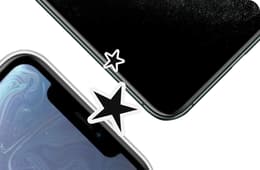
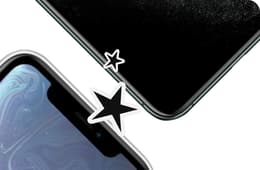
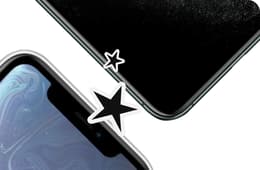
  • Display Features: The iPhone 14 Pro Max introduces the Dynamic Island, an adaptive area around the front camera that displays alerts, activities, and notifications. It also features an Always-On Display, which keeps essential information visible on the screen at a low power state. The iPhone 14 Plus retains a traditional notch design and does not have an Always-On Display.

Resolution

1284 x 2778

1290 x 2796

Screen type

Super Retina XDR OLED

LTPO Super Retina XDR OLED

Audiovisual

The camera systems are a significant point of differentiation between these two models, with the iPhone 14 Pro Max offering a more advanced and versatile setup.

  • Main Camera System: The iPhone 14 Plus features a dual-camera system with a 12MP main sensor and a 12MP ultra-wide sensor, capable of capturing detailed photos and videos in various conditions. The iPhone 14 Pro Max elevates this with a triple-lens system, including a 48MP main sensor, a 12MP ultra-wide, and a 12MP telephoto lens for optical zoom.
  • Photography Capabilities: Both phones benefit from the Photonic Engine for improved low-light performance. However, the Pro Max's larger main sensor and additional telephoto lens provide superior detail, better low-light performance, and 3x optical zoom, which the Plus lacks. The Pro Max also supports advanced features like macro photography, Night mode portraits, and Apple ProRAW for greater post-processing flexibility.
  • Video Recording: Both models offer excellent video recording, including Action mode for stabilized footage and Cinematic mode in 4K at 30 frames per second. The iPhone 14 Pro Max further includes ProRes video recording, which is beneficial for professional video workflows.

Main camera

12 megapixels

48 megapixels

Front camera

12 megapixels

12 megapixels

Miscellaneous

Beyond core performance and display, several practical elements distinguish the iPhone 14 Plus and iPhone 14 Pro Max.

  • Build Materials and Weight: The iPhone 14 Plus features an aerospace-grade aluminum frame, contributing to its lighter feel. The iPhone 14 Pro Max uses a more robust stainless steel frame, giving it a more premium and substantial feel, though it is also heavier.
  • Connectivity and Ports: Both devices support 5G cellular connectivity and the latest Wi-Fi standards for fast internet access. They both utilize the Lightning port for charging and data transfer. In the US, both models are eSIM-only, meaning they do not have a physical SIM card slot.
  • Safety Features: Both the iPhone 14 Plus and iPhone 14 Pro Max include Crash Detection and Emergency SOS via satellite, offering critical safety capabilities in emergencies.

Weight

7 oz

8 oz

Width

3.07 in

3.05 in

Height

6.33 in

6.33 in

Depth

0.31 in

0.31 in

Screen size (inches)

6.7

6.7

Network

5G

5G

SIM card

eSIM

eSIM

Carrier compatibility

Unlocked

T-Mobile

Connector

Lightning

Lightning

User feedback often highlights the iPhone 14 Plus as an excellent choice for those who desire a large display and extended battery life without needing the most advanced camera or display technologies. Many appreciate its comfortable handling compared to the Pro Max, despite both having similar screen sizes, due to its lighter build.

The iPhone 14 Pro Max is frequently praised by users for its exceptional camera system, particularly the versatility offered by the telephoto lens and the detail captured by the 48MP main sensor. Its ProMotion display and Always-On feature are also commonly cited as significant enhancements to the user experience. Some users, however, note its heavier weight and thicker profile as minor drawbacks.

Ultimately, the choice between these two devices depends on individual priorities. Users who prioritize a large, vibrant screen and long battery life for everyday tasks, media consumption, and casual photography will find the iPhone 14 Plus well-suited to their needs. For those who demand cutting-edge camera capabilities, a highly responsive and dynamic display, and the absolute peak of smartphone performance, the iPhone 14 Pro Max stands out. Both models represent a solid investment, and considering a quality-assured refurbished option can be a sustainable choice for either device.

See all articles

Our recent comparisons