
iPhone SE (2016) • Unlocked vs iPhone XS Max • Unlocked

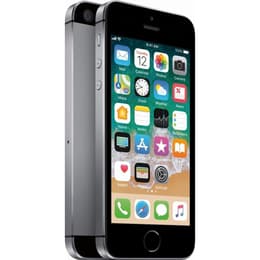
iPhone SE (2016) • Unlocked
Starting at

Refurbished price:$77.00

Versus $249.00 new

See options
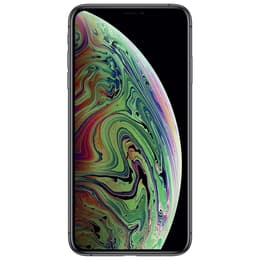
iPhone XS Max • Unlocked
Starting at

Refurbished price:$157.00

Versus $599.00 new

See options

Ratings

The iPhone SE (2016) and the iPhone XS Max represent distinct eras in smartphone design and technology. Released in March 2016, the iPhone SE offered a compact form factor, while the iPhone XS Max, launched in September 2018, embraced a larger display and more advanced features. These devices operate on Apple's iOS platform, with significant differences in their hardware capabilities and software support timelines.

Scores

Durability

The practical lifespan of a smartphone is heavily influenced by its release date and the duration of software support it receives.

  • Release Timeline: The iPhone SE (2016) was released in March 2016, making it a considerably older device. The iPhone XS Max followed in September 2018, positioning it as a more recent model.
  • OS Support Duration: The iPhone SE (2016) received major iOS updates up to iOS 15.7.8, and no longer receives major OS updates. The iPhone XS Max, however, shipped with iOS 12 and is supported up to iOS 18, with security updates expected to continue through at least late 2026. This means the XS Max offers a longer period of access to new features and security patches.
  • Repairability: The iPhone SE (2016) generally has a repairability score of 6 out of 10, with common parts being relatively easy to replace. The iPhone XS Max also received a decent repairability score of 6 out of 10, though replacing the rear glass can be complex and costly.
  • Expected Practical Lifespan: For users prioritizing the latest software features and security, the iPhone XS Max offers a longer practical lifespan due to its extended software support. The iPhone SE (2016) remains functional for basic tasks but will not benefit from new iOS features or the latest security enhancements.

Release Year

2016

2018

Last OS Compatibility

No

Yes

OS

iOS

iOS

Foldable

No

No

Performance

Performance is a key differentiator, impacting how smoothly applications run and how efficiently daily tasks are handled.

  • Overall System Responsiveness: The iPhone SE (2016), powered by an older processor, handles lightweight usage effectively. However, the iPhone XS Max, with its more advanced processor, offers significantly faster app loading, smoother multitasking, and a more responsive overall user experience, especially with demanding applications and games.
  • Multitasking Capabilities: The iPhone XS Max features more RAM, which contributes to its ability to manage multiple applications simultaneously without significant slowdowns, providing a smoother transition between tasks. The iPhone SE (2016) has less RAM, which may lead to apps reloading more frequently when switching between them.
  • Battery Behavior: The iPhone SE (2016) has a smaller battery capacity but, due to its smaller screen and less powerful components, users often reported it could last a full day with moderate use, and sometimes even longer on standby. The iPhone XS Max, despite having a larger battery, powers a larger, higher-resolution display and a more powerful processor. Users generally find it provides a full day of use with moderately high usage, though heavy use might require charging before the day ends.
  • Storage Options: The iPhone SE (2016) was available with storage options up to 128GB. The iPhone XS Max offers larger storage capacities, up to 512GB, providing more room for apps, photos, and videos.

Memory (GB)

2 GB

4 GB

Screen quality

The display is a primary interface for user interaction, and there are notable differences in the visual experience offered by these two models.

  • Display Technology and Clarity: The iPhone SE (2016) features a 4-inch Retina IPS LCD display, which provides clear visuals and accurate colors for its size. The iPhone XS Max boasts a larger 6.5-inch Super Retina OLED display, offering deeper blacks, higher contrast, and more vibrant colors.
  • Resolution and Pixel Density: The iPhone SE (2016) has a resolution of 640 x 1136 pixels at 326 ppi, which is sharp for its screen size. The iPhone XS Max features a higher resolution of 1242 x 2688 pixels at 458 ppi, resulting in a noticeably sharper and more detailed viewing experience on its larger screen.
  • Brightness and Outdoor Visibility: The iPhone SE (2016) offers a typical maximum brightness of 500 nits. The iPhone XS Max provides a higher typical maximum brightness of 625 nits, which contributes to better visibility in bright outdoor conditions and supports HDR content.
  • Screen Size and Viewing Experience: The 4-inch screen of the iPhone SE (2016) is ideal for one-handed use and portability. The 6.5-inch display of the iPhone XS Max offers a more immersive viewing experience for media consumption, gaming, and productivity tasks, though it requires two hands for comfortable operation for many users.

Resolution

640 x 1136

1242 x 2688

Screen type

IPS LCD

Super Retina OLED

Audiovisual

Both devices offer capable camera systems, but the advancements in the iPhone XS Max provide a more versatile and enhanced photography and videography experience.

  • Rear Camera System: The iPhone SE (2016) features a single 12 MP rear camera with an f/2.2 aperture, capable of 4K video recording at 30fps. It was praised for producing good photos for its time. The iPhone XS Max comes with a dual 12 MP rear camera system, including a wide-angle lens (f/1.8) and a telephoto lens (f/2.4) with optical image stabilization and 2x optical zoom.
  • Photography Performance: The iPhone XS Max introduced features like Smart HDR and improved low-light performance due to larger pixels, resulting in sharper images with better detail and dynamic range, especially in challenging lighting conditions. While the iPhone SE (2016) takes good everyday photos, its low-light performance is not as strong.
  • Front Camera: The iPhone SE (2016) has a 1.2 MP front camera, suitable for basic video calls and selfies. The iPhone XS Max features a 7 MP front camera with an f/2.2 aperture, benefiting from Smart HDR and offering Portrait Mode with depth control for more advanced selfies.
  • Video Recording Quality: Both phones support 4K video recording, with the iPhone XS Max offering more advanced features like extended dynamic range for video and improved cinematic video stabilization. The iPhone XS Max also provides stereo audio recording for video.

Main camera

12 megapixels

12 megapixels

Front camera

1.2 megapixels

7 megapixels

Miscellaneous

Beyond core performance and display, several other features contribute to the overall user experience and daily practicality of these devices.

  • Connectivity Options: Both devices support Wi-Fi 802.11ac and LTE. The iPhone XS Max features Bluetooth 5.0, offering improved range and speed compared to the iPhone SE (2016)'s Bluetooth 4.2. Neither device supports 5G connectivity.
  • Port Types and Biometrics: The iPhone SE (2016) includes a 3.5mm headphone jack and uses Touch ID for biometric authentication. The iPhone XS Max removed the headphone jack, relying solely on the Lightning port for charging and audio, and features Face ID for secure authentication.
  • Build Materials and Durability: The iPhone SE (2016) has an aluminum frame and glass front. The iPhone XS Max features a more robust stainless steel frame with glass on both the front and back, and boasts an IP68 rating for splash, water, and dust resistance.
  • Physical Design and Handling: The iPhone SE (2016) is known for its compact dimensions (123.8 x 58.6 x 7.6 mm) and light weight (113 g), making it highly pocketable and easy for one-handed use. The iPhone XS Max is a larger and heavier device (157.5 x 77.4 x 7.7 mm, 208 g), offering a more expansive screen but requiring a two-handed grip for most interactions.

Weight

4 oz

7 oz

Screen size (inches)

4

6.5

Network

LTE

LTE

SIM card

Physical SIM

Physical SIM + eSIM

Carrier compatibility

Unlocked

Unlocked

Connector

Lightning + Jack 3.5mm

Lightning

The iPhone SE (2016) and iPhone XS Max cater to different user preferences, largely defined by their size, age, and technological advancements. Users often praise the iPhone SE (2016) for its compact, one-handed design and its solid performance for everyday tasks, with many appreciating its battery life for its size. Criticisms frequently point to its smaller screen for media consumption and its aging design with larger bezels.

The iPhone XS Max is generally lauded for its large, immersive OLED display, powerful performance for demanding applications, and its advanced camera system with improved low-light capabilities and Smart HDR. Common concerns sometimes include its larger size and weight, which can make one-handed use challenging, and the absence of a headphone jack.

Users prioritizing a highly portable device that is easy to handle with one hand, and who primarily use their phone for essential communication, light browsing, and basic photography, may find the iPhone SE (2016) well-suited to their needs. Conversely, users who value a large, vibrant display for media, gaming, and productivity, along with a more capable camera system and longer software support, may lean towards the iPhone XS Max. Both models, when considered as quality-assured refurbished options, offer a sustainable choice for consumers looking to extend the life cycle of electronic products.

See all articles

Our recent comparisons