
Compare models
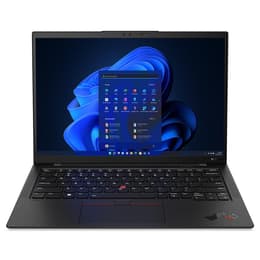
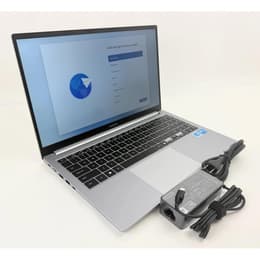
Lenovo ThinkPad X1 Carbon G11 14" vs Samsung Galaxy Book4 15"
- 1-year warranty
- Free standard shipping
- Free 30-day returns
Differences at a glance
The Lenovo ThinkPad X1 Carbon G11 14" (2023) and the Samsung Galaxy Book4 15" (2024) represent two distinct approaches to everyday mobile computing, catering to professionals and students alike. While the Lenovo model emphasizes lightweight business portability and classic durability, the Samsung competitor offers a larger screen real estate paired with seamless ecosystem integration. Both laptops run on standard operating systems that receive regular updates, though their hardware design philosophies diverge significantly in size and port availability. Understanding these core distinctions helps clarify which device fits specific daily routines.
Available Models
Storage
Processor
Memory
Scores
Durability
Both laptops are built to withstand regular travel and daily commuting, though they approach longevity and maintenance through different mechanical choices.
- Software support and longevity: Both devices receive regular operating system updates and security patches, ensuring stable software performance over several years of use.
- Repairability and physical endurance: The Lenovo model utilizes a carbon-fiber and magnesium alloy chassis designed for business environments, while the Samsung device features an aluminum build with standard internal modularity.
- Expected practical lifespan: Both machines provide robust internal configurations capable of maintaining steady operational speed for multiple years of standard office work and web browsing.
Release Year
2023
2024
Last Os Compatibility
Yes
Yes
OS
Windows 11
Windows 11
Performance
Internal hardware configurations in both models handle heavy multitasking, document editing, and web research efficiently, though storage and thermal layouts vary.
- Multitasking and daily speed: Both systems manage numerous open browser tabs and productivity applications smoothly without noticeable stuttering or slowdowns.
- Storage and memory options: Configurations vary across both lines, with solid-state drive speeds ensuring rapid file transfers and quick system startup times.
- Battery behavior and thermal management: The Lenovo model emphasizes compact efficiency for long travel days, while the Samsung device balances cooling performance across a slightly larger chassis footprint.
Graphic card
Integrated Graphics
Integrated Graphics
Screen quality
Display characteristics differ notably between the two machines, primarily concerning panel technology, overall dimensions, and viewing workspace.
- Panel technology and visuals: The Lenovo model frequently utilizes high-contrast matte display options designed to minimize glare under harsh office lighting, whereas the Samsung device features a bright widescreen panel optimized for media consumption and split-window multitasking.
- Resolution and clarity: Both laptops deliver sharp text and detailed image rendering suitable for detailed spreadsheet work and high-definition video streaming.
- Outdoor and mobility visibility: Adequate maximum brightness levels on both screens allow for comfortable viewing in brightly lit environments or near windows.
Resolution
2880 x 1800
1920 x 1080
Screen type
OLED
LCD
Audiovisual
Multimedia capabilities, including integrated video conferencing hardware and audio output, differ slightly in their real-world implementation.
- Webcam and microphone performance: Both devices include integrated webcams and noise-reducing microphone arrays adequate for daily virtual meetings and online classes.
- Speaker output and sound: Integrated speaker systems on both laptops deliver clear vocal audio for calls, though external headphones or speakers provide deeper sound profiles for music and movies.
- Recording functionality: Built-in software utilities on both platforms assist with managing video and audio input quality during remote communication.
Miscellaneous
Physical dimensions, weight distribution, and connectivity ports shape the daily portability and peripheral compatibility of each laptop.
- Port selection: The Lenovo model offers a comprehensive array of traditional and modern connection ports without requiring adapters, while the Samsung laptop relies heavily on compact USB-C standards supplemented by select legacy ports.
- Weight and physical dimensions: The Lenovo device prioritizes an ultra-lightweight profile for frequent travelers, whereas the Samsung unit offers a broader chassis footprint to accommodate a larger keyboard layout and display.
- Security and input sensors: Both options include biometric authentication features such as fingerprint readers or facial recognition capabilities for secure login processes.
Weight
5 oz
54 oz
Screen size
14
15
What the community thinks
User feedback from online communities highlights distinct preferences for each laptop. Owners of the Lenovo ThinkPad X1 Carbon G11 frequently praise its sturdy keyboard feel, exceptional portability, and robust selection of physical ports. Conversely, users favor the Samsung Galaxy Book4 for its expansive screen space and smooth connectivity with other consumer electronics. Common criticisms for the Lenovo model focus on its premium positioning, while Samsung users occasionally note the reliance on USB-C hubs for older peripherals.
Users prioritizing maximum portability and traditional port variety will find the Lenovo ThinkPad X1 Carbon G11 well-suited to their daily travel needs. Meanwhile, users prioritizing a larger workspace and multimedia viewing comfort may lean toward the Samsung Galaxy Book4 15". Choosing between them depends entirely on whether physical workspace dimensions or travel weight take priority. For those exploring sustainable choices, selecting a quality-assured refurbished option provides an eco-friendly alternative that extends the lifecycle of these capable machines.