Compare models

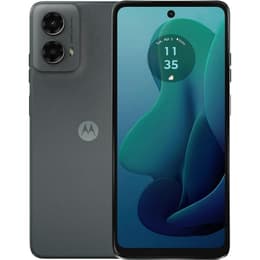
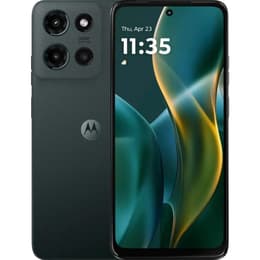
Motorola Moto G (2024) • Unlocked vs Motorola Moto G (2025) • Unlocked

  • 1-year warranty
  • Free standard shipping
  • Free 30-day returns

Differences at a glance

The Motorola Moto G (2024) and the Motorola Moto G (2025) represent consecutive annual iterations of Motorola's accessible smartphone line, designed for everyday communication and essential tasks. Both devices run on the Android operating system, providing a familiar interface and access to current mobile applications. While they share a focus on practicality and straightforward usability, the newer 2025 model introduces subtle refinements in processing efficiency and camera capabilities compared to its predecessor.

Scores

Durability

When examining software longevity and physical build, both models follow standard support windows for entry-level smartphones, with the newer version benefiting from an extended update timeline.

  • Software Support: The Motorola Moto G (2024) receives standard security updates aligned with its release year, whereas the Motorola Moto G (2025) extends security coverage and operating system updates further into the future, making it well-suited for long-term ownership.
  • Build Durability: Both devices utilize reinforced polymer body construction designed to withstand daily handling, though users seeking a quality-assured refurbished option of the 2024 model can find eco-friendly alternatives that reduce electronic waste without compromising structural integrity.
  • Expected Lifespan: Both smartphones are built to deliver reliable daily functionality for standard tasks over several years, provided they are handled with reasonable care.

Release Year

2024

2025

OS

Android

Android

Foldable

No

No

Performance

Performance capabilities scale naturally between these two generations, affecting how smoothly demanding applications and multitasking operate under everyday conditions.

  • Processing Power: The Motorola Moto G (2024) handles everyday browsing, messaging, and media streaming smoothly, while the Motorola Moto G (2025) features a slightly more responsive processor that reduces loading times for heavier applications.
  • Multitasking and Memory: Both options manage routine background tasks adequately, though the newer model maintains slightly better system responsiveness when switching rapidly between multiple open applications.
  • Storage and Battery: Both devices offer expandable storage options via microSD and feature battery capacities designed to comfortably complete a full day of standard mixed usage before requiring a recharge.

Screen quality

Display characteristics on both smartphones prioritize comfortable media consumption and clear text legibility for daily reading and navigation.

  • Display Technology: Both models utilize bright liquid crystal display panels that render text and images with clean clarity, though the Motorola Moto G (2025) offers slight improvements in peak outdoor visibility.
  • Refresh Rate and Smoothness: Both screens support fluid refresh rates that ensure scrolling through web pages and social media feeds appears smooth and natural.
  • Size and Viewing Experience: Each device features a spacious screen diagonal suited for watching videos and reading documents, housed within form factors that remain comfortable to hold during extended phone calls.

Resolution

720 x 1612

720x1604

Screen type

IPS LCD

IPS LCD

Audiovisual

Optics and multimedia output cater to casual photography needs, video calling, and media playback during daily routines.

  • Camera Systems: The Motorola Moto G (2024) captures clear daylight photos using its main sensor, while the Motorola Moto G (2025) introduces refined image processing algorithms for improved detail preservation in challenging indoor lighting.
  • Video Recording: Both phones record stable video clips suitable for sharing and personal memories, accompanied by dependable microphone performance for clear voice notes and calls.
  • Audio Output: Built-in speaker systems on both devices deliver adequate volume for hands-free calling and casual video viewing, supplemented by the retention of standard headphone connectivity on select regional variants.

Miscellaneous

Practical everyday features, connectivity standards, and physical dimensions shape how each smartphone fits into travel and professional routines.

  • Connectivity: Both models support modern network bands, reliable Wi-Fi standards, and Bluetooth pairing for wireless accessories.
  • Physical Dimensions: The Motorola Moto G (2024) and Motorola Moto G (2025) share similar weight profiles and ergonomic dimensions, ensuring they fit securely into pockets and small bags.
  • Authentication: Each device incorporates responsive biometric security features, including side-mounted fingerprint sensors and facial recognition for quick device unlocking.

Weight

7 oz

7 oz

Screen size (inches)

6.6

6.7

Network

5G

5G

SIM card

Physical SIM

Physical SIM + eSIM

Carrier compatibility

Unlocked

Unlocked

What the community thinks

Community discussions and user feedback indicate that owners of the Motorola Moto G (2024) appreciate its reliable everyday battery life and straightforward software interface, though some note limitations during heavy multitasking. Users of the Motorola Moto G (2025) frequently highlight the improved responsiveness and more refined camera processing as notable daily benefits, while observing that processing speeds remain best suited for casual tasks rather than intensive mobile gaming.

Users prioritizing extended software longevity and slightly faster daily responsiveness may prefer the Motorola Moto G (2025), whereas users seeking a dependable, straightforward communication tool for standard daily tasks will find the Motorola Moto G (2024) well-suited to their needs. Both smartphones offer practical functionality, and choosing between them depends entirely on whether long-term software support or immediate generation preference takes priority. Selecting either model as a quality-assured refurbished device provides an eco-friendly approach to acquiring reliable technology while supporting sustainable consumer habits.

Our recent comparisons