

Recommended for you
Shop the iPhone catalog


- +1 more colors
- 5/5 (4)Starting at
Refurbished price:$999.00
$1,199.00newVersus $1,199.00 new
- 4.8/5 (4)Starting at
Refurbished price:$761.00
$799.00newVersus $799.00 new
- +1 more colors
- 4.8/5 (2)Starting at
Refurbished price:$1,113.00
$1,199.00newVersus $1,199.00 new

- +1 more colors
- Starting at
Refurbished price:$899.00
$1,099.00newVersus $1,099.00 new
- 5/5 (2)Starting at
Refurbished price:$957.00
$1,099.00newVersus $1,099.00 new
- 5/5 (1)Starting at
Refurbished price:$1,129.00
$1,199.00newVersus $1,199.00 new
- 4.8/5 (2)Starting at
Refurbished price:$993.00
$1,099.00newVersus $1,099.00 new

- Starting at
Refurbished price:$501.00
$699.00newVersus $699.00 new
- Starting at
Refurbished price:$599.00
$699.00newVersus $699.00 new
- Starting at
Refurbished price:$599.00
$699.00newVersus $699.00 new
Apple Keynote 2026
Is Apple's latest launch worth the hype, or are they price-jacking for nothing new? The answer: a little bit of both.

How to find the right iPhone for you

Tech Education ArticlesHow Apple’s new CEO can fix repairability

iPhone Articles and GuidesiPhone 18 rumors and leaks
iPhone Articles and GuidesWhich iPhone should I get in 2026?
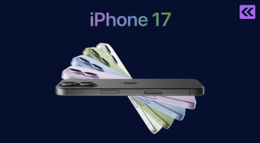
iPhone Articles and GuidesCompare all the iPhone 17 Models
iPhone Articles and GuidesBest iPhone for photos | Back Market
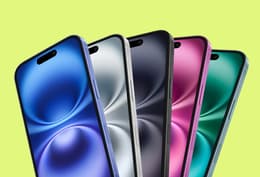
iPhone Articles and GuidesiPhone 16 review | Features, performance, & is it worth it?
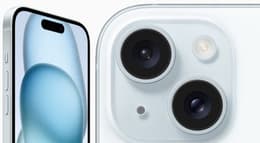
iPhone Articles and GuidesiPhone 15 review | Back Market
Need some help deciding?
All your questions on the Apple Keynote answered
The most meaningful upgrades are the larger battery, the variable-aperture camera, and satellite 5G connectivity. A battery roughly 10% bigger than the iPhone 17 Pro would be a tangible daily improvement, especially for anyone upgrading from an iPhone 14 or 15. Satellite 5G has genuine practical value for travel and off-grid use. The variable-aperture camera could improve exposure in bright conditions. The smaller Dynamic Island and new colors (Dark Cherry, Light Blue) are welcome refinements, but they won't change how the phone actually feels to use.
The rumored design of the iPhone Duo unfolds to a size somewhere between a standard iPhone and a compact iPad, built for portability rather than dedicated tablet-style productivity. The real open question is whether iOS multitasking will genuinely justify the format. Android foldables currently have a clear head start on split-screen features, and early user reactions show real skepticism about whether Apple's software will make the Duo worth its expected premium price.
It looks likely. The iPhone 18 Pro is expected to start at $1,299–$1,399 in the US, according to the Wall Street Journal, with the Pro Max coming in at around $1,399–$1,499. Pricing is unconfirmed, but reports point to increases driven by rising memory chip costs. Treat those figures as informed estimates until Apple makes an official announcement.
The iPhone 17 Pro and iPhone 16 Pro are likely the strongest value options once the September 2026 event has passed. Apple keynotes typically trigger price adjustments across previous generations, especially on the refurbished market. A refurbished iPhone 17 Pro already delivers a flagship-class camera, strong battery life, and full iOS support at a noticeably lower cost than a brand-new iPhone 18 Pro. If you want Pro-level performance without launch-day pricing, the post-keynote window is historically one of the best times to buy.
Back Market is a trusted marketplace for refurbished iPhones. Every device costs less than buying new, and every purchase includes:
12-month commercial warranty
30-day return window
100-point professional inspection
Strict quality charter with four condition grades: Fair, Good, Excellent, and Premium
Refurbished iPhone 17 Pro and iPhone 16 Pro models are both available on Back Market, and they're worth a look before September's potential price increases land.
Choosing a refurbished iPhone means skipping the production of a new one, and that's where most of the environmental impact happens. Roughly 80% of a smartphone's carbon footprint is generated during manufacturing, before it's ever switched on. Compared to buying new, a refurbished smartphone produces 92% less greenhouse gas emissions, with around 77 kg of CO2e avoided per device. It also uses 91% fewer resources and saves approximately 77,000 liters of water per device. Same phone. Significantly lighter footprint.