Compare models
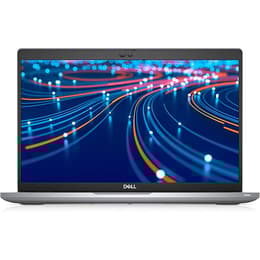
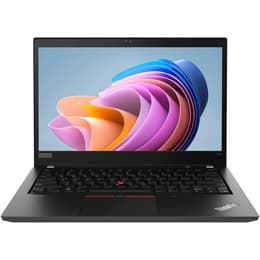
Dell Latitude 5420 14" vs Lenovo ThinkPad T14 G1 14"
- 1-year warranty
- Free standard shipping
- Free 30-day returns
Differences at a glance
The Dell Latitude 5420 (2021) and the Lenovo ThinkPad T14 Gen 1 (2020) are 14-inch professional laptops designed for productivity, remote work, and business environments. While both machines offer robust build quality and reliable daily computing capabilities, they differ in their generation timing, hardware ecosystems, and ergonomic design philosophies. Both models typically run on Windows operating systems, providing a familiar interface for enterprise users, students, and professionals alike.
Choosing between these two portable computers depends on whether you prioritize newer internal processing capabilities or specific keyboard ergonomics and connectivity options.
Available Models
Storage (GB)
Processor
Memory (GB)
Scores
Durability
When evaluating the long-term usability and update lifecycle of these two business laptops, several factors regarding hardware support and component durability come into play.
- Software and OS Support: Both devices receive regular operating system updates and security patches from Microsoft, with the newer Dell model offering an extended window of hardware driver support due to its later release year.
- Repairability and Upgradability: Both laptops feature modular designs allowing for relatively straightforward component maintenance, making quality-assured refurbished options from Back Market a sustainable choice for environmentally conscious buyers looking to extend device lifespans.
- Expected Practical Lifespan: Thanks to serviceable internal components and robust enterprise-grade chassis construction, both computers are built to withstand several years of daily professional or academic use.
Release Year
2021
2020
OS
Windows 11
Windows 11
Performance
Performance capabilities vary based on the internal configurations chosen, though both machines are well-equipped to handle standard multitasking and office workloads efficiently.
- Multitasking and Processing: Both laptops handle web browsing, document editing, and communication applications smoothly, with the Dell Latitude 5420 benefiting from a generationally newer processor architecture that improves overall speed and thermal efficiency.
- Storage and Memory: Configurations typically include fast solid-state drive storage options and generous random access memory capacity, ensuring rapid application loading and seamless switching between multiple active programs.
- Battery Behavior: Battery endurance on both devices easily supports a standard workday of mixed productivity tasks, though heavy resource usage will require more frequent mid-day charging.
Graphic card
Integrated Graphics
Integrated Graphics
Screen quality
The visual experience on both 14-inch displays is tailored primarily for office productivity, text clarity, and comfortable long-term viewing.
- Display Technology: Both models feature anti-glare panels with crisp resolutions that minimize reflections under harsh office lighting or outdoor environments, reducing eye strain during extended work sessions.
- Brightness and Color: Standard brightness levels are adequate for indoor and shaded outdoor usage, rendering text sharp and spreadsheets clear without excessive color saturation.
- Viewing Experience: The 14-inch screen real estate provides a balanced compromise between portable workspace efficiency and overall physical footprint, fitting easily into backpacks and small bags.
Resolution
1920 x 1080
1920 x 1080
Audiovisual
Media consumption, communication features, and peripheral output capabilities vary slightly between the two business-oriented chassis designs.
- Webcam and Microphones: Both laptops include integrated webcameras and directional microphones suitable for daily video conferencing, remote meetings, and virtual classroom participation.
- Speaker Output: Built-in stereo speakers deliver clear dialogue for voice calls and casual media playback, though external headphones or speakers are recommended for immersive listening experiences.
- Multimedia Handling: Integrated graphics solutions on both systems support external multi-monitor setups and smooth video streaming without performance degradation.
Miscellaneous
Practical physical design elements, input peripherals, and connectivity standards dictate how each laptop integrates into an existing workspace setup.
- Keyboard and Input: The Lenovo ThinkPad T14 Gen 1 features a distinct tactile keyboard layout with a centered tracking point, whereas the Dell Latitude 5420 offers a quiet, spacious keyboard with responsive travel.
- Connectivity Ports: Both models provide a comprehensive selection of traditional USB ports, modern Type-C connections, video output ports, and reliable Wi-Fi networking standards for versatile peripheral attachment.
- Build and Portability: Weighing similarly around the 1.4 to 1.5 kilogram mark, both devices feature durable composite or alloy chassis designs engineered to handle frequent daily transit.
Weight
64 oz
4 oz
Screen size
14
14
What the community thinks
User feedback from online communities highlights distinct preferences for each of these reliable 14-inch machines. Users frequently praise the Lenovo ThinkPad T14 Gen 1 for its exceptional keyboard ergonomics and sturdy corporate heritage, though some note that its processor generation is slightly older. Conversely, users often commend the Dell Latitude 5420 for its updated internal efficiency, modern port layout, and quiet operation during intensive tasks, while noting that its chassis design leans toward a more conventional aesthetic.
Users prioritizing long-term hardware currency and modern thermal efficiency may prefer the Dell Latitude 5420, while users prioritizing tactile typing comfort and traditional enterprise input layouts may lean toward the Lenovo ThinkPad T14 Gen 1. Selecting the right model depends entirely on individual workflow preferences and daily ergonomic needs. Opting for a quality-assured refurbished device through Back Market offers a sustainable choice that reduces electronic waste without compromising on functional capability.