Compare models
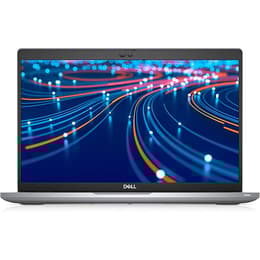
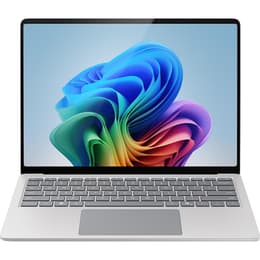
Dell Latitude 5420 14" vs Microsoft Surface Pro 9 13"
- 1-year warranty
- Free standard shipping
- Free 30-day returns
Differences at a glance
The Dell Latitude 5420 (2021) and the Microsoft Surface Pro 9 (2022) represent two different approaches to portable computing, combining a traditional 14-inch business laptop design with a versatile 13-inch detachable tablet format. While both run on Windows 11 and target professional users, they differ fundamentally in form factor, portability, and hardware layout. This comparison explores their practical trade-offs to help users determine which device fits their workflow.
Available Models
Storage (GB)
Processor
Memory (GB)
Scores
Durability
Both devices offer robust build quality suited for long-term professional use, though their physical construction and repair paths differ significantly.
- Release timeline and support: The Dell Latitude 5420 launched in 2021, while the Microsoft Surface Pro 9 arrived in late 2022, placing both well within standard Windows 11 support lifecycles.
- Repairability and maintenance: The Latitude 5420 features a traditional modular laptop chassis that allows straightforward component replacement, whereas the Surface Pro 9 utilizes a sealed tablet body that makes internal repairs more complex.
- Expected lifespan: Both machines provide durable solid-state storage and dependable operating system longevity, making a quality-assured refurbished option an eco-friendly choice that extends functional hardware lifecycles.
Release Year
2021
2022
OS
Windows 11
Windows 11
Performance
Daily responsiveness varies according to form factor design and internal component layout, though both handle typical professional workloads with ease.
- Multitasking and storage: Both laptops offer flexible configurations with generous solid-state storage options and high-speed memory capacities to keep multiple web tabs and productivity applications running smoothly.
- Battery behavior: The Latitude 5420 houses a larger internal battery compartment designed for traditional full-day mobile work, while the compact tablet build of the Surface Pro 9 prioritizes slim dimensions over extended untethered runtimes.
- System responsiveness: Both configurations load office suites, communication tools, and web-heavy workflows quickly, ensuring seamless performance during demanding everyday tasks.
Graphic card
Integrated Graphics
Integrated Graphics
Screen quality
Visual workspace experiences differ notably between the standard widescreen format and the taller tablet display configuration.
- Display technology: The Latitude 5420 utilizes a standard 14-inch traditional matte or anti-glare screen panel, whereas the Surface Pro 9 features a 13-inch glossy touchscreen with a taller aspect ratio.
- Refresh rate and clarity: The Surface Pro 9 incorporates a higher refresh rate for smoother scrolling and pen input responsiveness, while the Latitude 5420 offers steady, glare-resistant viewing suited for traditional office lighting.
- Aspect ratio and viewing: The taller 3:2 screen on the Surface Pro 9 displays more vertical document space, whereas the 16:9 widescreen layout of the Latitude 5420 is well-suited for side-by-side window multitasking and media viewing.
Resolution
1920 x 1080
1920 x 1200
Screen type
LED
LED
Audiovisual
Media consumption and communication capabilities reflect the distinct physical design of each mobile computer.
- Camera systems: The Surface Pro 9 includes high-resolution front and rear-facing cameras optimized for tablet photography and video calls, while the Latitude 5420 relies on a standard webcam integrated into the upper display bezel.
- Audio output: Built-in stereo speakers on the Surface Pro 9 deliver clear sound for virtual meetings, whereas the Latitude 5420 provides functional downward-firing audio adequate for routine office environments.
- Microphone clarity: Both devices feature directional microphone arrays that isolate voice input effectively during online conferences and remote voice calls.
Miscellaneous
Physical connectivity and peripheral integration vary widely based on whether a traditional laptop or a detachable tablet format is chosen.
- Port selection: The Latitude 5420 features a built-in Ethernet jack, traditional USB-A ports, HDMI, and USB-C connections, whereas the Surface Pro 9 relies primarily on dual USB-C ports alongside its proprietary magnetic charging connector.
- Weight and handling: The Surface Pro 9 offers a lighter, highly portable slate body that requires a detachable keyboard cover, while the Latitude 5420 provides an all-in-one hinged clamshell design with a rigid attached keyboard.
- Biometric security: Both models support modern facial recognition login features, and select configurations of the Latitude 5420 also include a fingerprint reader embedded in the power button.
Weight
64 oz
1 oz
Screen size
14
13
What the community thinks
User feedback from online communities highlights distinct preferences for each device based on daily habits. Owners of the Dell Latitude 5420 frequently praise its extensive port selection, sturdy traditional keyboard layout, and reliable day-to-day durability without requiring external adapters. Conversely, Surface Pro 9 users often emphasize the appeal of its compact, lightweight tablet form factor, vibrant high-refresh touchscreen, and seamless digital pen integration for handwritten notes.
Users prioritizing traditional lap stability, physical connectivity, and a standard clamshell workspace will find the Dell Latitude 5420 well-suited to their needs. Meanwhile, users who value ultra-portability, touch input, and a versatile tablet structure that transitions easily into a lightweight workstation may prefer the Microsoft Surface Pro 9. Choosing a quality-assured refurbished option for either model provides an eco-friendly and practical path to fulfilling these computing requirements.