
Galaxy A14 5G • Unlocked vs Galaxy A53 5G • Unlocked

Galaxy A14 5G • Unlocked
Starting at

Refurbished price:$99.00

Versus $249.99 new

See options
Galaxy A53 5G • Unlocked
Starting at

Refurbished price:$107.00

Versus $414.99 new

See options

Ratings

The Samsung Galaxy A14 5G and the Samsung Galaxy A53 5G are both Android smartphones from Samsung's Galaxy A series, offering 5G connectivity. The Galaxy A53 5G, released in March 2022, arrived earlier than the Galaxy A14 5G, which launched in January 2023. While both devices aim to provide a comprehensive smartphone experience, the A53 5G generally offers a more refined display and enhanced performance, whereas the A14 5G focuses on delivering essential features for everyday use. Both run on the Android operating system with Samsung's One UI overlay.

Scores

Durability

When considering the longevity of these devices, their release timelines and software support policies are key factors.

  • Release and Software Support: The Galaxy A53 5G, released in March 2022, benefits from Samsung's policy of providing four generations of Android OS upgrades and five years of security updates, meaning it is expected to receive updates up to Android 16 and security patches until 2027. The Galaxy A14 5G, launched in January 2023, is promised two major OS upgrades (up to Android 15) and four years of security updates, extending its support until 2027 for security patches.
  • Durability Features: The Galaxy A53 5G features an IP67 rating for dust and water resistance, offering protection against immersion in up to 1 meter of fresh water for 30 minutes, and its display is protected by Corning Gorilla Glass 5. The Galaxy A14 5G does not have an official IP rating, indicating less resistance to dust and water exposure, and its display protection is not specified as Gorilla Glass.
  • Expected Lifespan: Users can expect the Galaxy A53 5G to remain current with major Android versions for a longer period due to its more extensive OS upgrade policy. Both devices are designed for practical daily use, with the A53 5G offering an advantage in physical resilience.

Release Year

2023

2022

Last OS Compatibility

Yes

Yes

OS

Android

Android

Foldable

No

No

Performance

The performance of these smartphones varies, impacting how smoothly they handle daily tasks and more demanding applications.

  • Processing Power: The Galaxy A53 5G is equipped with a processor that generally offers a snappier experience, particularly when multitasking or running more intensive applications. The Galaxy A14 5G's processor is suitable for everyday tasks like browsing, social media, and light gaming, though users might notice occasional delays with app loading or during heavy multitasking.
  • Multitasking and Storage: The Galaxy A53 5G typically comes with higher RAM options (6GB or 8GB) and storage configurations (128GB or 256GB), contributing to smoother multitasking and more space for applications and media. The Galaxy A14 5G offers 4GB or 6GB of RAM and 64GB or 128GB of internal storage, which can be expanded via a microSD card.
  • Battery Performance: Both devices feature a 5000 mAh battery, providing ample power for a full day of typical use. The Galaxy A53 5G supports faster charging at 25W, while the A14 5G charges at 15W.

Memory (GB)

4 GB

6 GB

Screen quality

The visual experience differs between these two models, primarily due to their display technologies and refresh rates.

  • Display Technology and Clarity: The Galaxy A53 5G features a 6.5-inch Super AMOLED display, known for its vibrant colors, deep blacks, and excellent contrast. The Galaxy A14 5G has a slightly larger 6.6-inch PLS LCD screen, which provides good clarity but does not offer the same level of color vibrancy or contrast as an AMOLED panel. Both displays offer Full HD+ resolution, ensuring sharp visuals for content consumption.
  • Brightness and Smoothness: The Galaxy A53 5G's display can reach higher brightness levels, making it more comfortable to view in bright outdoor conditions, and it boasts a 120Hz refresh rate for exceptionally smooth scrolling and animations. The Galaxy A14 5G features a 90Hz refresh rate, which offers a smoother experience than standard 60Hz displays, but it is not as fluid as the A53 5G's 120Hz panel.
  • Viewing Experience: Users prioritizing a more immersive and fluid visual experience, especially for media consumption and gaming, will find the A53 5G's display more appealing.

Resolution

1080 x 2408

1080 x 2400

Screen type

PLS LCD

Super AMOLED

Audiovisual

The camera systems on both phones are designed for everyday photography, with some notable differences in their capabilities.

  • Rear Camera Setup: The Galaxy A53 5G features a versatile quad-camera system, including a 64-megapixel main sensor with optical image stabilization (OIS), a 12-megapixel ultrawide lens, and two 5-megapixel sensors for macro and depth. The OIS on the main sensor helps in capturing clearer photos and more stable videos, especially in challenging conditions. The Galaxy A14 5G comes with a triple-camera setup, featuring a 50-megapixel main sensor, a 2-megapixel depth sensor, and a 2-megapixel macro lens.
  • Photography Performance: In good lighting, both phones can capture detailed images. The A53 5G generally offers better dynamic range and color depth, particularly for portraits and low-light shots, and its ultrawide lens provides more photographic flexibility. The A14 5G's camera performs well in adequate light but may struggle more in low-light environments.
  • Video Recording: The Galaxy A53 5G supports 4K video recording at 30fps, while the A14 5G is limited to 1080p at 30fps.

Main camera

50 megapixels

64 megapixels

Front camera

13 megapixels

32 megapixels

Miscellaneous

Beyond core specifications, several practical features and design elements differentiate these two Samsung smartphones.

  • Connectivity and Ports: Both devices support 5G connectivity. The Galaxy A14 5G includes a 3.5mm headphone jack, a feature absent on the Galaxy A53 5G. Both utilize a USB-C port for charging and data transfer.
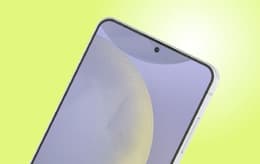
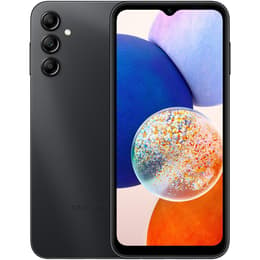
  • Design and Build: The Galaxy A53 5G has a more modern design with slimmer bezels and a punch-hole cutout for the front camera, and it features an IP67 rating for dust and water resistance. The Galaxy A14 5G has a slightly thicker build, larger bezels, and a teardrop notch for the front camera, without an official IP rating.
  • Biometric Security: The Galaxy A53 5G features an in-display optical fingerprint sensor, while the A14 5G has a side-mounted fingerprint sensor integrated into the power button.

Weight

7 oz

7 oz

Screen size (inches)

6.6

6.5

Network

5G

5G

SIM card

Physical SIM

Physical SIM

Carrier compatibility

Unlocked

Unlocked

The Samsung Galaxy A14 5G and Galaxy A53 5G cater to different user priorities within the Android smartphone market. User feedback for the Galaxy A53 5G often highlights its vibrant AMOLED display with a high refresh rate, capable camera system with OIS, and robust software support as strong advantages. Some users, however, note that its performance, while generally good, might not always match the fluidity of devices with more powerful processors, and the absence of a headphone jack is a common criticism.

For the Galaxy A14 5G, users frequently praise its solid battery life, inclusion of a headphone jack, and overall value for essential smartphone functions. Criticisms often point to its less vibrant LCD screen, more modest camera performance in challenging conditions, and a processor that can feel slower during demanding tasks.

Users prioritizing a smoother visual experience, enhanced camera versatility, and longer software longevity may find the Galaxy A53 5G better suited to their needs. Conversely, those who value a headphone jack, prioritize core functionality, and seek a device for everyday communication and media consumption without needing top-tier performance might lean towards the Galaxy A14 5G. Both models are available as quality-assured refurbished options, providing an eco-friendly alternative for consumers.


See all articles

Our recent comparisons