
Galaxy A23 5G • Unlocked vs iPhone 16 • Unlocked

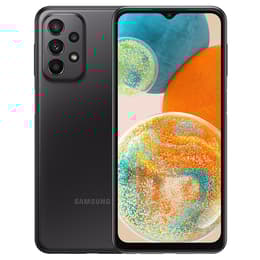
Galaxy A23 5G • Unlocked
Starting at

Refurbished price:$123.00

Versus $279.99 new

See options
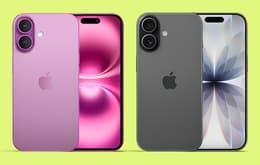
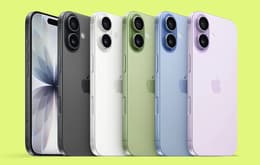
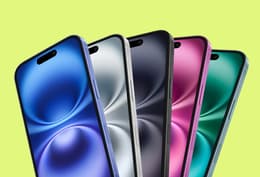
iPhone 16 • Unlocked
Starting at

Refurbished price:$516.00

Versus $729.00 new

See options

Ratings

The Samsung Galaxy A23 5G, released in August 2022, and the iPhone 16, launched in September 2024, represent distinct approaches to smartphone design and functionality. While the Galaxy A23 5G offers a feature-rich Android experience with expandable storage, the iPhone 16 provides Apple's latest iOS innovations, a powerful processor, and advanced camera capabilities. These devices cater to different user preferences, primarily distinguished by their operating systems and performance tiers.

Scores

Durability

The longevity of a smartphone is influenced by its initial release date and the manufacturer's commitment to software updates and repair support.

  • Release Timeline: The Samsung Galaxy A23 5G was introduced in August 2022, making it a mid-range device from a few years ago. The iPhone 16, released in September 2024, benefits from being a more recent model, incorporating newer technologies and design principles.
  • Software Support: Samsung typically provides 2-4 major Android OS upgrades and around four years of security updates for its A-series devices, meaning the Galaxy A23 5G has likely received updates up to Android 14 and will continue to get security patches for a period. Apple is known for its extended software support, offering major iOS updates for approximately five to seven years from a device's release, ensuring the iPhone 16 will receive new features and security enhancements for a considerably longer duration.
  • Practical Lifespan: Users prioritizing the latest software features and security updates for the longest possible time will find the iPhone 16 more aligned with their needs. The Galaxy A23 5G, while still functional, will gradually see its software support diminish sooner.

Release Year

2022

2024

Last OS Compatibility

Yes

Yes

Foldable

No

No

Performance

Performance is a key differentiator, impacting how smoothly applications run, how quickly tasks are completed, and the overall responsiveness of the device.

  • Processing Power: The iPhone 16 features Apple's A18 chip, designed to handle demanding applications, complex multitasking, and advanced computational tasks with efficiency. The Galaxy A23 5G is equipped with a Qualcomm Snapdragon 695 5G processor, which provides capable performance for everyday usage, web browsing, and moderate gaming.
  • System Responsiveness: Users of the iPhone 16 can expect a highly fluid and responsive experience across the operating system and within applications, benefiting from the optimized integration of hardware and software. The Galaxy A23 5G offers a smooth experience for typical smartphone activities, though it may exhibit slower loading times or less seamless transitions when running multiple intensive applications simultaneously.
  • Storage and Multitasking: The iPhone 16 comes with 8GB of RAM and storage options up to 512GB, providing ample space and memory for numerous applications to run concurrently without significant slowdowns. The Galaxy A23 5G offers various RAM configurations (4GB, 6GB, 8GB) and up to 128GB of internal storage, with the added flexibility of microSD card expansion up to 1TB, which is beneficial for users who require extensive local storage for media and files.

Memory (GB)

6 GB

8 GB

Screen quality

The display is the primary interface for user interaction, and differences in technology, resolution, and refresh rate significantly impact the visual experience.

  • Display Technology and Clarity: The iPhone 16 features a 6.1-inch Super Retina XDR OLED display, known for its deep blacks, high contrast, and vibrant color reproduction, offering a premium viewing experience for photos, videos, and text. The Samsung Galaxy A23 5G utilizes a 6.6-inch PLS LCD screen with FHD+ resolution, which provides clear visuals and good color accuracy, suitable for general media consumption and daily tasks.
  • Brightness and Refresh Rate: The iPhone 16's display can reach typical maximum brightness of 1000 nits and peak outdoor brightness of 2000 nits, ensuring good visibility even in bright sunlight. The Galaxy A23 5G offers a 120Hz refresh rate, contributing to smoother scrolling and more fluid animations, which can enhance the perception of responsiveness. The standard iPhone 16 models do not include Apple's ProMotion 120Hz refresh rate technology.
  • Viewing Experience: Users who prioritize rich, high-contrast visuals and excellent outdoor visibility will likely appreciate the iPhone 16's OLED display. Those who value a larger screen size and smoother scrolling for a more immersive experience in everyday use may find the Galaxy A23 5G's display appealing.

Resolution

1080 x 2408

1179 x 2556

Screen type

PLS LCD

Super Retina XDR OLED

Audiovisual

Camera capabilities are a significant factor for many users, with both devices offering distinct photographic strengths.

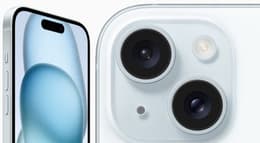
  • Rear Camera Systems: The iPhone 16 features a dual-camera system with a 48MP main sensor (f/1.6 with optical image stabilization) and a 12MP ultrawide lens (f/2.2). This setup is enhanced by advanced computational photography, offering features like 2x optical quality zoom and macro photography capabilities. The Samsung Galaxy A23 5G includes a versatile quad-camera array, consisting of a 50MP main sensor (f/1.8 with OIS), a 5MP ultrawide, a 2MP macro, and a 2MP depth sensor, providing flexibility for various shooting scenarios.
  • Photography Performance: The iPhone 16 is designed to excel in capturing detailed images with accurate colors and strong low-light performance, leveraging its powerful processor for image processing. The Galaxy A23 5G's 50MP main sensor with OIS can produce clear and stable photos in good lighting conditions, and its dedicated macro lens allows for close-up shots.
  • Video Recording and Front Camera: The iPhone 16 supports high-quality video recording, including spatial video, and features a 12MP front camera for clear selfies and video calls. The Galaxy A23 5G records video at FHD (1080p) at 30fps and has an 8MP front camera. The iPhone 16 also introduces a new touch-sensitive 'Capture Button' for quick camera access and control.

Main camera

50 megapixels

48 megapixels

Front camera

8 megapixels

12 megapixels

Miscellaneous

Beyond core features, several practical elements contribute to the overall user experience and device utility.

  • Connectivity and Ports: The iPhone 16 supports the latest Wi-Fi 7 and Bluetooth 5.3 standards, along with 5G connectivity, and features a USB-C port for charging and data transfer. The Galaxy A23 5G offers 5G, Wi-Fi 5, and Bluetooth 5.1, and includes both a USB-C port and a 3.5mm headphone jack, providing traditional audio connectivity.
  • Biometrics and Build: The iPhone 16 relies on Face ID for secure authentication and features a durable Ceramic Shield front cover and an IP68 rating for water and dust resistance. The Galaxy A23 5G typically uses a side-mounted fingerprint sensor for unlocking and features a plastic build with Gorilla Glass 5 protection on the display.
  • Design and Handling: The iPhone 16 has dimensions of 147.6 x 71.6 x 7.8 mm and weighs 170g, offering a compact and premium feel. The Galaxy A23 5G is slightly larger at 165.4 x 76.9 x 8.4 mm and weighs 197g, which might appeal to users who prefer a larger device for viewing content.

Weight

7 oz

6000 oz

Screen size (inches)

6.8

6.1

Network

5G

5G

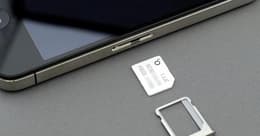
SIM card

Physical SIM

eSIM

Carrier compatibility

Unlocked

Unlocked

The Samsung Galaxy A23 5G and the iPhone 16 cater to different segments of the smartphone market, each with its own set of strengths. Users often praise the Galaxy A23 5G for its long-lasting battery, expandable storage, and the inclusion of a headphone jack, making it a practical choice for those who value utility and flexibility within the Android ecosystem. Some common feedback for the A23 5G points to its LCD display not being as vibrant as OLED panels and its processor, while capable, not matching the performance of higher-end devices.

The iPhone 16, on the other hand, is frequently lauded for its powerful performance, advanced camera capabilities, and the seamless integration of the iOS ecosystem. Users appreciate its premium build quality and the promise of extended software support. While specific criticisms for the iPhone 16 are still emerging, general feedback for standard iPhone models sometimes includes the absence of a high refresh rate display found in Pro models and the lack of expandable storage.

Users prioritizing a device with a longer software support lifespan, top-tier performance for demanding applications, and advanced photographic features may find the iPhone 16 to be a more suitable option. Conversely, individuals who value a larger display, expandable storage, a headphone jack, and a robust battery life within the Android environment might lean towards the Galaxy A23 5G. Both devices offer compelling features for their respective audiences, and considering a quality-assured refurbished option for either model can be an eco-friendly alternative to purchasing new, allowing for informed and sustainable choices.

See all articles

Our recent comparisons