Compare models
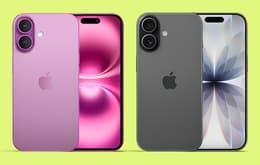
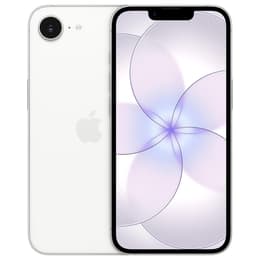
iPhone 16 • Unlocked vs iPhone 17e • Unlocked
- 1-year warranty
- Free standard shipping
- Free 30-day returns
Differences at a glance
The iPhone 16 (2024) and the iPhone 17e (2026) represent two different approaches to Apple's mainstream smartphone lineup, balancing performance, features, and release timelines. While both devices run on iOS and offer a compact 6.1-inch form factor, they differ significantly in their internal component generation, base storage configurations, and generational feature refinements. This comparison examines how these practical differences influence everyday usage.
Available Models
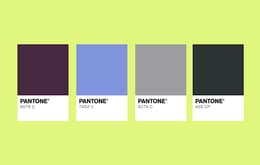
Color
Storage (GB)
Scores
Durability
Both smartphones provide robust long-term durability and receive extended software support, though their release schedules introduce minor differences in software lifespan timelines.
- Release timeline and support: The iPhone 16 launched in late 2024, while the iPhone 17e debuted in early 2026, meaning the newer model extends software updates further into the future.
- Build protection: Both devices feature water and dust resistance rated at IP68, with the newer model incorporating an updated glass formulation on the front panel for improved scratch and drop resistance.
- Practical lifespan: Both units handle multi-year deployment easily, though users seeking the absolute maximum duration of active software support will find the later release slightly more future-proof.
Release Year
2024
2026
Foldable
No
No
Performance
Performance and multitasking capabilities differ based on internal hardware generations, affecting how demanding applications and daily tasks execute.
- Storage configurations: The iPhone 16 starts with a smaller baseline storage capacity, whereas the iPhone 17e offers double the entry-level storage for media and applications.
- System responsiveness: Both devices handle everyday tasks, web browsing, and heavy multitasking smoothly, with the newer model featuring a more recent processor generation that handles complex background processing efficiently.
- Battery behavior: Both phones manage typical daily usage well, though battery endurance varies slightly depending on background activity and screen-on duration during intensive tasks like gaming or video streaming.
Screen quality
Viewing experiences on both devices center around bright, high-clarity OLED panels designed for clear outdoor visibility and media consumption.
- Display technology: Both models utilize Super Retina XDR OLED screens matching in pixel density and sharpness for text and images.
- Brightness levels: The iPhone 16 achieves higher peak outdoor brightness levels, making it easier to read in direct sunlight, while the iPhone 17e offers comfortable viewing levels for typical indoor and shaded outdoor environments.
- Visual immersion: Both displays deliver deep contrast and vibrant color reproduction, providing an identical physical screen size for daily navigation.
Resolution
1179 x 2556
2532 x 1170
Audiovisual
Imaging capabilities on these models focus on versatile everyday photography, clean video recording, and clear audio capture.
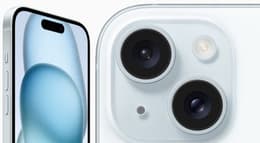
- Camera system: Both devices feature a high-resolution main camera setup that supports sharp everyday photos and software-cropped telephoto zoom options.
- Video and low-light: Low-light performance remains strong on both units through advanced image processing, capturing stable video clips with clear stereo sound.
- Media audio: Built-in microphone arrays and stereo speaker outputs deliver clear call quality and balanced sound output for media playback.
Main camera
48 megapixels
48 megapixels
Front camera
12 megapixels
12 megapixels
Miscellaneous
Physical handling, connectivity standards, and daily convenience features shape the overall user experience of each device.
- Connectivity options: Both models support rapid wireless connectivity standards, though the newer model introduces an updated cellular modem designed for efficient network transitions.
- Charging and power: Both options support fast wired charging via USB-C alongside wireless charging capabilities, with the newer model featuring broader magnetic accessory alignment support out of the box.
- Dimensions and weight: Both phones share nearly identical height, depth, and weight specifications, ensuring a comfortable fit in one hand or a pocket.
Weight
185 oz
169 oz
Screen size (inches)
6.1
6.1
Network
5G
5G
SIM card
eSIM
eSIM
Carrier compatibility
Unlocked
Unlocked
Connector
USB-C (USB 2)
USB-C (USB 2)
What the community thinks
Users evaluating these models often praise the iPhone 16 for its outdoor display brightness and balanced baseline features, while frequently highlighting the iPhone 17e for its generous starting storage capacity and newer internal hardware generation. Common discussions across user communities focus on balancing raw screen luminance against baseline storage needs for everyday file management.
Users prioritizing maximum outdoor screen visibility and established generation features may prefer the iPhone 16, while users prioritizing higher baseline storage and a later release window will lean toward the iPhone 17e. For consumers exploring sustainable technology habits, opting for a quality-assured refurbished model provides an eco-friendly alternative that reduces electronic waste without compromising on functional capability. Ultimately, both devices serve distinct user preferences effectively depending on individual daily workflow requirements.