Compare models
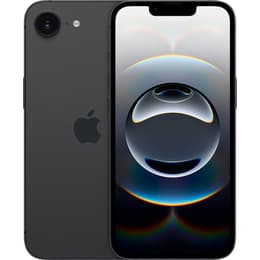
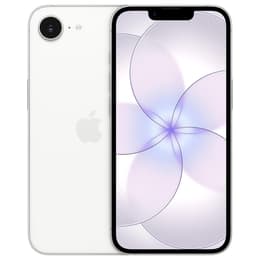
iPhone 16e • Unlocked vs iPhone 17e • Unlocked
- 1-year warranty
- Free standard shipping
- Free 30-day returns
Differences at a glance
The iPhone 16e (2025) and iPhone 17e (2026) represent consecutive iterations of Apple's streamlined smartphone lineup. Both models target users seeking core smartphone capabilities in a familiar form factor while introducing yearly internal refinements. The primary differentiators between these devices center on generational processor updates, base storage configurations, and subtle camera system improvements. Operating on the same modern software ecosystem, both models deliver consistent user interfaces, though the newer generation benefits from an extended hardware lifecycle.
Available Models
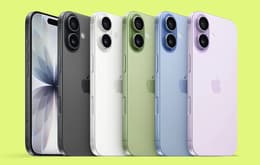
Color
Storage (GB)
Scores
Durability
Evaluating the lifespan and durability of these two devices reveals steady generational improvements in software support and hardware endurance.
- Software longevity: Both smartphones receive regular operating system updates, with the iPhone 17e benefiting from an extra year of official support due to its newer release year.
- Repair infrastructure and build resilience: Each model features durable glass and aluminum construction paired with water-resistant sealing, and both maintain standardized repair paths supported by accessible parts availability.
- Expected practical lifespan: Users can expect reliable day-to-day operation over multiple years from both choices, though power users focusing on long-term software trends may favor the newer hardware generation.
Release Year
2025
2026
OS
iOS
iOS
Foldable
No
No
Performance
Performance capabilities scale smoothly between these two models, handling everyday tasks and intensive applications with high reliability.
- Multitasking and app handling: Both devices manage daily multitasking, web browsing, and demanding applications fluidly, with the iPhone 17e offering slightly faster processing speeds for heavy workflows.
- Storage capacity configurations: The iPhone 16e starts at a base storage level of 128 gigabytes, whereas the iPhone 17e begins at a higher baseline of 256 gigabytes to accommodate larger media libraries.
- Battery behavior: Each phone delivers enough battery capacity to comfortably sustain a full day of mixed usage, though heavy media consumption or gaming will require more frequent recharging.
Screen quality
Visual output across both displays provides sharp text rendering and rich colors suited for media viewing and reading.
- Display technology: Both models utilize vibrant OLED panels that produce deep black levels and high contrast ratios for comfortable indoor and outdoor viewing.
- Brightness levels: Outdoor legibility remains strong on both devices, maintaining clear visibility under direct sunlight thanks to high peak brightness thresholds.
- Refresh rate and interaction: Standard refresh rates deliver smooth scrolling and responsive touch tracking across all common applications and system menus.
Resolution
2532x1170
2532 x 1170
Audiovisual
Imaging hardware and audio output configurations offer reliable performance for everyday multimedia capture and communication.
- Photography and video: Both devices capture detailed images through their main camera sensors, while supporting high-resolution video recording and advanced stabilization features.
- Low-light performance: Automated processing modes help preserve details and color accuracy when shooting in dimly lit environments.
- Audio delivery: Integrated stereo speakers provide clear sound output for casual media streaming and hands-free calling.
Main camera
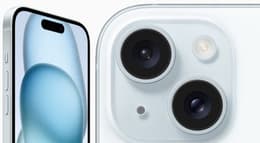
48MP
48 megapixels
Front camera
TrueDepth 12MP
12 megapixels
Miscellaneous
Physical dimensions and connectivity standards ensure both devices integrate smoothly into modern digital environments.
- Physical footprint: Both smartphones share identical physical dimensions and lightweight handling profiles, making them comfortable to use with one hand.
- Connectivity and ports: Universal USB-C ports handle charging and data transfer, alongside modern wireless standards including 5G connectivity and fast Bluetooth pairing.
- Security and sensors: Secure authentication is handled via facial recognition sensors embedded within the display housing.
Weight
167 oz
169 oz
Screen size (inches)
6.1
6.1
Network
5G
5G
SIM card
eSIM
eSIM
Carrier compatibility
Unlocked
Unlocked
Connector
USB-C
USB-C (USB 2)
What the community thinks
User feedback on community forums highlights satisfaction with both models regarding their reliable daily performance, comfortable form factor, and streamlined software experience. Common discussions note that while the iPhone 16e serves well for basic tasks, some users find its base storage configuration restrictive over time. Conversely, the iPhone 17e receives praise for addressing storage capacity needs out of the box, though it represents a very incremental physical update over its predecessor.
Users prioritizing a higher baseline storage capacity and longer software support may prefer the iPhone 17e, while individuals seeking a straightforward, everyday device without expanded capacity overhead will find the iPhone 16e well-suited to their needs. For those exploring sustainable purchasing alternatives, a quality-assured refurbished option provides a reliable and eco-friendly path to owning either device. Ultimately, the choice depends on individual storage preferences and long-term hardware timelines rather than radical feature disparities.