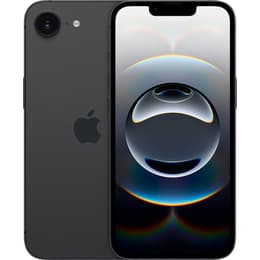


Compare models
iPhone 16e • Unlocked vs iPhone 17 • Unlocked
- 1-year warranty
- Free standard shipping
- Free 30-day returns
Differences at a glance
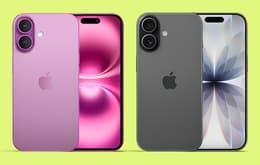
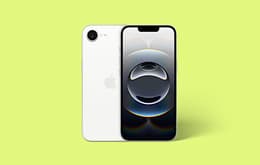
The iPhone 16e (2025) and the iPhone 17 (2025) are modern smartphones that cater to different preferences within Apple's mobile lineup. While both devices run on current versions of iOS and share contemporary design elements, the iPhone 17 introduces an expanded feature set, updated processing hardware, and advanced display technology, distinguishing it from the stream-lined approach of the iPhone 16e.
Choosing between these two models involves weighing specific feature priorities, daily performance demands, and interface preferences to find the right daily companion for your routine.
Available Models
Color
Storage (GB)
Scores
Durability
When evaluating the long-term viability of these two smartphones, both models benefit from Apple's robust software update cycle, though their release schedules place them at slightly different points in their lifecycles.
- Software longevity: Both devices receive regular operating system updates, with the newer iPhone 17 extending its support window by several months due to its late-2025 launch compared to the early-2025 iPhone 16e.
Repairability and durability: Each phone features durable aluminum frames and water-resistant builds designed to withstand daily wear, and both maintain standardized internal layouts that facilitate straightforward component servicing over time.
Expected lifespan: Both units offer ample performance headroom to remain responsive for years of daily use, making a quality-assured refurbished option a sustainable choice that extends device longevity.
Release Year
2025
2025
OS
iOS
iOS
Foldable
No
No
Performance
Underneath the exterior, both smartphones handle daily tasks, navigation, and demanding applications reliably, though they differ in memory handling and sustained multi-tasking capability.
- Processor capabilities: Both devices load apps quickly, handle intense mobile games smoothly, and maintain fluid system navigation without noticeable stutter during heavy daily use.
Multitasking and storage: The iPhone 17 provides higher base storage capacity and faster memory handling suited for intensive background tasks, whereas the iPhone 16e offers versatile configuration choices starting at lower storage tiers.
Battery behavior: Both phones comfortably manage a full day of standard use, though differences in battery capacity and internal efficiency mean heavy users may need occasional top-ups depending on screen-on time.
Screen quality
Display characteristics represent one of the main practical differentiators between these two models, influencing everything from media consumption to outdoor readability.
- Display technology: The iPhone 17 utilizes an advanced OLED panel capable of reaching higher peak outdoor brightness levels, whereas the iPhone 16e employs a standard OLED screen that delivers deep blacks and clear contrast for everyday tasks.
Refresh rate and smoothness: The iPhone 17 introduces a high refresh rate display that makes scrolling and animations appear fluid, while the iPhone 16e relies on a standard refresh rate suited for conventional viewing.
Viewing experience: Both screens offer sharp resolutions and accurate color reproduction, ensuring comfortable reading, video streaming, and photo gallery browsing in various lighting conditions.
Resolution
2532x1170
2622x1206
Screen type
Super Retina XDR
Super Retina XDR
Audiovisual
Photography and media capture capabilities vary significantly between the two models, accommodating casual snapshots and detailed recording differently.
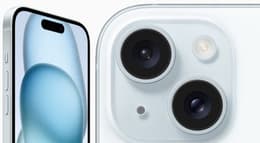
- Camera system: The iPhone 17 features a dual-lens rear setup providing versatile ultra-wide framing alongside the main sensor, while the iPhone 16e streamlines photography with a single primary rear camera.
Low-light and video performance: Both devices capture clear images in daylight and record stable video clips with reliable autofocus, though the iPhone 17 handles challenging low-light environments and advanced recording formats with greater detail.
Audio and media: Built-in stereo speakers on both models deliver clear sound for hands-free calls and casual video watching, supported by sensitive microphones that isolate voice input effectively.
Main camera
48MP
48 megapixels
Front camera
TrueDepth 12MP
18 megapixels
Miscellaneous
Practical daily usability is shaped by physical dimensions, connectivity standards, and hardware integrations built into each chassis.
- Connectivity: Both models support fast cellular networks, modern wireless communication standards, and precise satellite safety features for emergencies.
Physical handling: The iPhone 16e and iPhone 17 feature comfortable dimensions and manageable weights that fit easily into pockets and hands during single-handed use.
Ports and security: Both utilize universal USB-C charging ports and rely on secure facial recognition sensors for unlocking the device and authorizing secure transactions.
Weight
167 oz
185 oz
Screen size (inches)
6.1
6.3
Network
5G
5G
SIM card
eSIM
eSIM
Carrier compatibility
Unlocked
Unlocked
Connector
USB-C
USB-C
What the community thinks
Deciding between the iPhone 16e and the iPhone 17 depends heavily on your individual usage habits and feature preferences. Users prioritizing advanced display fluidity, higher base storage, and a more versatile camera system will find the iPhone 17 well-suited to their needs. Conversely, users seeking a streamlined, essential smartphone experience focused on core daily communication and reliability may lean toward the iPhone 16e.
Exploring a quality-assured refurbished option provides an eco-friendly alternative for acquiring either device while reducing electronic waste. Reviewing these practical differences ensures your final choice aligns closely with your daily routine and long-term expectations.