

Compare models
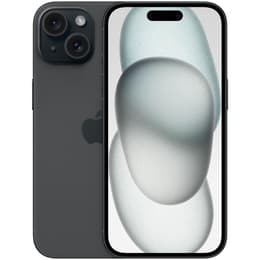
iPhone 15 • Unlocked vs iPhone 17 • Unlocked
- 1-year warranty
- Free standard shipping
- Free 30-day returns
Differences at a glance
The iPhone 15 (2023) and iPhone 17 (2025) represent two distinct generations of Apple's mainline smartphone lineup, offering practical options for everyday users. While both devices share a modern design language featuring the Dynamic Island and USB-C connectivity, the newer model introduces meaningful updates to display fluidity, processing headroom, and camera versatility.
Both smartphones operate on Apple's iOS platform, providing a consistent user interface and ecosystem experience, though their hardware capabilities differ in ways that influence long-term usability.
Available Models
Color
Storage (GB)
Scores
Durability
When evaluating hardware longevity and software support, both devices offer robust lifespans, though their release timelines dictate different windows of future updates.
- Software support window: The iPhone 17 benefits from a later release year, ensuring it receives official operating system updates and security patches for two additional years compared to the iPhone 15.
- Repair infrastructure: Both models utilize similar modular internal layouts and durable exterior glass, making them straightforward for authorized technicians to service and repair over time.
- Expected practical lifespan: Users can expect dependable daily operation from either handset for many years, though the newer processor architecture in the iPhone 17 provides extra margin for future software demands.
Release Year
2023
2025
Last OS Compatibility
Yes
Yes
OS
iOS
iOS
Foldable
No
No
Performance
Performance capabilities vary noticeably between the two generations, particularly when handling intensive workloads, multitasking, or managing power efficiency.
- System responsiveness and multitasking: The iPhone 17 handles demanding applications, graphic-heavy gaming, and background processes with greater fluidity thanks to its upgraded processor and increased random access memory.
- Battery behavior: The iPhone 17 offers extended endurance during continuous media playback and heavy daily use, reducing the need for midday recharges compared to the older model.
- Storage configurations: Both devices are available in multiple storage tiers, accommodating diverse user needs for local photo libraries, applications, and offline media files.
Screen quality
Display technology sees a significant evolution between these releases, directly impacting visual smoothness and viewing comfort.
- Refresh rate and smoothness: The iPhone 17 introduces a dynamic high refresh rate up to 120Hz, delivering noticeably smoother scrolling and responsive animations compared to the fixed 60Hz screen on the iPhone 15.
- Outdoor visibility: Peak outdoor brightness levels are higher on the iPhone 17, making text and images easier to read under direct sunlight.
- Panel size and specifications: The iPhone 17 features a slightly expanded 6.3-inch OLED display with slimmer borders, while the iPhone 15 uses a 6.1-inch OLED panel, with both options providing sharp resolution and accurate color reproduction.
Resolution
1179 x 2556
2622x1206
Screen type
Super Retina XDR OLED
Super Retina XDR
Audiovisual
Imaging capabilities span everyday snapshots, video recording, and media consumption, showing practical improvements in the newer hardware generation.
- Rear camera system: The iPhone 17 upgrades to a dual 48-megapixel configuration across its main and ultra-wide lenses, capturing finer details in landscape and macro photography than the 48-megapixel main and 12-megapixel ultra-wide setup on the iPhone 15.
- Video and audio output: Both handsets record stable, high-definition video with clear stereo sound, though low-light video processing benefits from the faster image signal processor in the newer model.
- Front-facing camera: The iPhone 17 features an updated front sensor designed to handle varied lighting angles effectively during video calls and self-portraits.
Main camera
48 megapixels
48 megapixels
Front camera
12 megapixels
18 megapixels
Miscellaneous
Physical handling, connectivity standards, and daily utility features define the practical day-to-day experience of carrying each device.
- Build and dimensions: The iPhone 17 maintains a comfortable profile with refined contoured edges and enhanced scratch resistance, closely matching the lightweight aluminum and glass construction of the iPhone 15.
- Connectivity standards: The iPhone 17 incorporates updated wireless networking hardware for faster local network speeds and improved signal stability in congested environments.
- Biometric security: Both models rely on responsive face recognition sensors housed within the screen cutout for secure unlocking and authentication.
Weight
171 oz
185 oz
Screen size (inches)
6.1
6.3
Network
5G
5G
SIM card
eSIM
eSIM
Carrier compatibility
Unlocked
Unlocked
Connector
USB-C (USB 2)
USB-C
What the community thinks
User feedback from online communities highlights strong satisfaction with the reliability, build quality, and everyday battery performance of both devices. Common praise for the iPhone 15 centers on its comfortable handheld size, introduction of universal charging standards, and dependable daily speed. Meanwhile, users frequently highlight the fluid display scrolling, improved battery longevity, and versatile camera capabilities of the iPhone 17 as standout traits.
Users prioritizing smooth visual animations, extended battery endurance during heavy workflows, and future-ready hardware will find the iPhone 17 well-suited to their needs. Conversely, users seeking a reliable, compact daily communication tool without a requirement for high refresh rates often lean toward the iPhone 15 as an eco-friendly, quality-assured refurbished option that handles standard tasks effortlessly.