Compare models
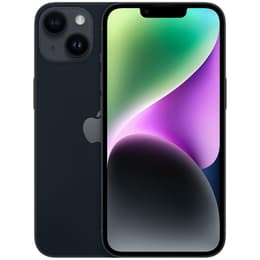
Galaxy Z Flip6 • Unlocked vs iPhone 14 • Unlocked
- 1-year warranty
- Free standard shipping
- Free 30-day returns
Differences at a glance
The Samsung Galaxy Z Flip6, released in July 2024, and the Apple iPhone 14, launched in September 2022, represent distinct approaches to modern smartphone design and functionality. While the iPhone 14 offers a traditional smartphone experience running on iOS, the Galaxy Z Flip6 introduces a foldable clamshell design powered by Android, providing a unique form factor and user interaction. These devices cater to different preferences, with the Flip6 emphasizing portability and a secondary external display, and the iPhone 14 focusing on a streamlined, consistent ecosystem.
Available Models
Color
Storage (GB)
Scores
Durability
When considering the long-term usability of these devices, both offer substantial software support and build quality, though their approaches differ.
- Software Longevity: The Galaxy Z Flip6 is notable for its extended software commitment, promising seven years of Android OS upgrades and seven years of security updates, extending its functional lifespan well into the future. The iPhone 14, while known for Apple's consistent long-term support, typically receives major iOS updates for approximately five to six years from its release.
- Physical Durability: The iPhone 14 features a Ceramic Shield front cover and an aerospace-grade aluminum frame, contributing to its overall robustness and IP68 water and dust resistance. The Galaxy Z Flip6, as a foldable device, incorporates a matte aluminum frame and Gorilla Glass Victus 2 on its cover screen and back panel, and is the first foldable with a certified IP48 dust protection rating. However, some users of foldable phones report that the inner screen's plastic layer can show minor scratches from regular use over time, and the hinge might develop a slight sound.
- Repairability Considerations: The iPhone 14 initially received a favorable repairability assessment due to its internal redesign, but this score was later downgraded due to software limitations and parts pairing requirements that complicate unauthorized repairs. Information on the Galaxy Z Flip6's repairability score is less widely available, but the complex nature of foldable mechanisms can sometimes present unique challenges for repairs.
Release Year
2024
2022
Last OS Compatibility
Yes
Yes
OS
Android
iOS
Foldable
Yes
No
Performance
Both smartphones deliver capable performance for everyday tasks, but their underlying hardware and user experience for demanding applications present some differences.
- Processing Power: The Galaxy Z Flip6 is equipped with a current-generation processor designed for high performance, allowing it to handle demanding applications and multitasking smoothly. The iPhone 14 utilizes a powerful chip that ensures fluid navigation, quick app launches, and efficient handling of graphics-intensive games.
- Multitasking and Responsiveness: With 12GB of RAM, the Galaxy Z Flip6 offers ample memory for switching between numerous applications without slowdowns, supporting its advanced AI features. The iPhone 14, with 6GB of RAM, provides a responsive user experience within the iOS ecosystem, efficiently managing background processes.
- Battery Behavior: The Galaxy Z Flip6 houses a 4000 mAh battery, which users report can last a full day even with heavy usage. The iPhone 14 is designed to offer all-day battery life, with users noting improvements over previous iPhone models.
Screen quality
The display technologies in the Galaxy Z Flip6 and iPhone 14 offer distinct visual experiences, primarily due to their form factors and refresh rates.
- Main Display Technology: The Galaxy Z Flip6 features a 6.7-inch Foldable Dynamic AMOLED 2X main display, providing vibrant colors, deep blacks, and a smooth 120Hz refresh rate for fluid scrolling and animations. The iPhone 14 comes with a 6.1-inch Super Retina XDR OLED display, known for its excellent color accuracy and contrast, though it operates at a standard 60Hz refresh rate.
- Resolution and Brightness: Both devices offer high-resolution displays for sharp visuals. The Flip6's main screen has a resolution of 1080 x 2640 pixels (~426 ppi) and can reach a peak brightness of 2,600 nits, making it highly visible outdoors. The iPhone 14's display has a resolution of 2532 × 1170 pixels (~460 PPI) with a typical brightness of 800 nits and a peak HDR brightness of 1200 nits.
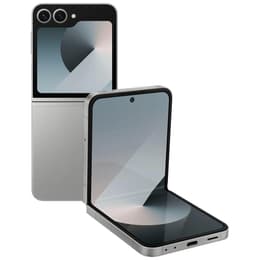
- Unique Display Features: A key differentiator for the Galaxy Z Flip6 is its 3.4-inch Super AMOLED cover screen, which allows users to interact with widgets, view notifications, and take selfies without unfolding the device. The iPhone 14 offers a consistent, uninterrupted display experience across its single screen.
Resolution
1080 x 2640
1170 x 2532
Screen type
Foldable Dynamic LTPO AMOLED 2X
Super Retina XDR OLED
Audiovisual
Both smartphones provide capable camera systems, but they cater to slightly different photographic needs and preferences.
- Rear Camera Systems: The Galaxy Z Flip6 features a dual-camera setup with a 50MP main sensor and a 12MP ultra-wide lens, offering improved detail and dynamic range in daylight photos and good video stabilization. The iPhone 14 also has a dual-camera system, comprising a 12MP main camera with sensor-shift optical image stabilization and a 12MP ultra-wide camera, known for consistent image quality in various lighting conditions and excellent video capabilities.
- Low-Light and Video Performance: The iPhone 14 excels in low-light photography and video recording, thanks to its Photonic Engine and effective video stabilization, producing clear footage with good dynamic range. While the Galaxy Z Flip6 shows improvements in its main camera for low-light, it can exhibit some noise in very dim conditions and occasional inconsistencies in portrait mode.
- User Experience and Features: The Galaxy Z Flip6's foldable design allows for unique camera angles and hands-free photography using its Flex Mode and cover screen as a viewfinder for high-quality selfies. The iPhone 14 offers features like Cinematic Mode for video and Action Mode for stabilized footage, providing a versatile tool for capturing moments.
Main camera
50 megapixels
12 megapixels
Front camera
10 megapixels
12 megapixels
Miscellaneous
Beyond core features, several practical elements distinguish the user experience of these two devices.
- Connectivity and Ports: Both the Galaxy Z Flip6 and iPhone 14 support 5G connectivity for fast mobile data speeds. The Flip6 typically uses a USB-C port for charging and data transfer, aligning with modern Android standards. The iPhone 14 features Apple's proprietary Lightning port.
- Biometric Security: The Galaxy Z Flip6 integrates a fingerprint sensor into its side power button for convenient and secure unlocking. The iPhone 14 relies on Face ID, Apple's facial recognition system, for secure authentication.
- Design and Handling: The Galaxy Z Flip6's clamshell design allows it to fold into a compact form factor, making it highly portable and easy to carry in smaller pockets. The iPhone 14 offers a traditional slab design, with a comfortable weight and dimensions for single-handed use. The build materials for both devices contribute to their premium feel, with the Flip6 featuring a matte aluminum frame and the iPhone 14 an aerospace-grade aluminum frame.
Weight
7 oz
6 oz
Screen size (inches)
6.7
6.1
Network
5G
5G
SIM card
Physical SIM + eSIM
eSIM
Carrier compatibility
Unlocked
Unlocked
Connector
USB-C
Lightning
What the community thinks
The choice between the Samsung Galaxy Z Flip6 and the iPhone 14 ultimately depends on individual priorities and preferred smartphone experience. Users often praise the Galaxy Z Flip6 for its innovative foldable design, which offers a unique blend of portability and a large screen when unfolded. Its functional cover screen is frequently highlighted as a convenient way to interact with notifications and quick tasks without fully opening the device. The extended software support from Samsung is also a significant advantage for those looking for a device with a long lifespan. However, some users express concerns about the long-term durability of the foldable screen and hinge, and the camera, while improved, may not always match the performance of traditional flagship phones in all scenarios.
The iPhone 14 is consistently lauded for its reliable performance, intuitive iOS ecosystem, and strong camera capabilities, particularly for video and consistent image quality in varied lighting. Users appreciate its robust build and the seamless integration within Apple's services. Criticisms sometimes point to its 60Hz display, which some consider less fluid than higher refresh rate screens on competing devices, and its repairability has been noted as challenging due to software restrictions on parts.
Users prioritizing a compact, stylish device with a unique folding mechanism and extensive software support may find the Galaxy Z Flip6 well-suited to their needs. Its external display and hands-free camera options offer a distinct user experience. Conversely, users who value a consistently high-performing, durable traditional smartphone with a strong camera system and a well-established ecosystem will likely lean towards the iPhone 14. Both devices are available as quality-assured refurbished options, providing an eco-friendly alternative for consumers.