

Compare models
iPhone 14 • Unlocked vs iPhone 17 • Unlocked
- 1-year warranty
- Free standard shipping
- Free 30-day returns
Differences at a glance
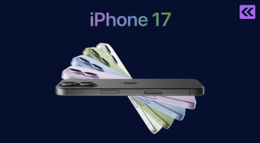
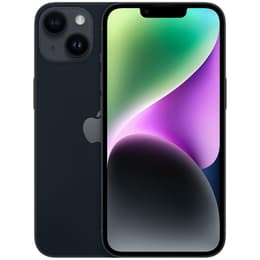
The iPhone 14 (2022) and the iPhone 17 (2025) are unlocked smartphones from Apple that represent different generations of mobile technology. While both models share a foundational philosophy of intuitive daily usability and premium build quality, the iPhone 17 introduces several generational shifts in hardware capabilities and interface design compared to its predecessor.
Available Models
Color
Storage (GB)
Scores
Durability
When evaluating the long-term potential of these two devices, release timelines and software support schedules dictate distinct expectations for hardware longevity.
- Software Support Window: The iPhone 17 benefits from a more recent release year, granting it an extended window of major operating system updates and security patches compared to the iPhone 14.
- Repairability and Build Structure: Both models utilize robust aluminum frames and hardened glass fronts, though the newer internal layout of the iPhone 17 accommodates modern thermal standards to preserve component health over time.
- Expected Practical Lifespan: Users selecting a quality-assured refurbished option from Back Market can expect reliable daily service from either device, with the newer model offering extended future readiness for demanding software updates.
Release Year
2022
2025
Last OS Compatibility
Yes
Yes
OS
iOS
iOS
Foldable
No
No
Performance
Daily speed and efficiency differ notably due to the generational gap in processing architecture and memory configurations between the two releases.
- Multitasking and System Responsiveness: The iPhone 17 features increased system memory, allowing for smoother handling of multiple background applications and rapid switching between demanding tasks than the iPhone 14.
- Storage Configurations: The iPhone 14 offers baseline storage starting at smaller capacities, whereas the iPhone 17 begins with larger internal storage configurations to accommodate media-heavy workflows.
- Battery Behavior: Improved energy efficiency in the newer processor architecture allows the iPhone 17 to sustain intensive usage periods more consistently throughout a full day without requiring a recharge.
Screen quality
Visual output and display responsiveness vary, bringing distinct viewing experiences for media consumption and navigation.
- Display Technology and Smoothness: The iPhone 17 introduces high-refresh-rate technology to standard models, delivering noticeably smoother scrolling and motion rendering than the fixed refresh rate found on the iPhone 14 display.
- Size and Panel Specifications: The iPhone 17 features a slightly expanded screen estate with slim borders, while the iPhone 14 maintains a traditional 6.1-inch panel size with standard bezels.
- Outdoor Visibility: Both devices incorporate bright organic light-emitting diode panels, but the iPhone 17 reaches higher peak outdoor brightness levels to maintain legibility under direct sunlight.
Resolution
1170 x 2532
2622x1206
Screen type
Super Retina XDR OLED
Super Retina XDR
Audiovisual
Imaging hardware and audio output capabilities have evolved to support contemporary multimedia creation and media playback standards.
- Rear Camera System: The iPhone 17 steps up pixel density on its secondary lenses, capturing finer details in varied lighting conditions compared to the dual-sensor setup on the iPhone 14.
- Video and Audio Recording: Enhanced stabilization and improved microphone clarity on the newer model yield cleaner audio capture and steady video recording during movement.
- Media Consumption: Built-in stereo speakers on both devices deliver clear sound for casual listening, though the newer acoustic architecture provides a slightly wider soundstage.
Main camera
12 megapixels
48 megapixels
Front camera
12 megapixels
18 megapixels
Miscellaneous
Physical dimensions and connectivity features define how each smartphone integrates into everyday travel and routine usage.
- Connectivity Standards: The iPhone 17 incorporates updated wireless communication standards for faster data transmission and more stable device pairing than the iPhone 14.
- Biometrics and Port Types: Both options utilize secure facial recognition sensors and rely on modern charging standards, with regional variations supporting dual electronic SIM configurations.
- Dimensions and Handling: Weighing marginally more due to its larger screen, the iPhone 17 offers a comparable in-hand feel to the lighter and slightly more compact iPhone 14.
Weight
6 oz
185 oz
Screen size (inches)
6.1
6.3
Network
5G
5G
SIM card
eSIM
eSIM
Carrier compatibility
Unlocked
Unlocked
Connector
Lightning
USB-C
What the community thinks
Community discussions across platforms like Reddit frequently highlight the iPhone 14 as a reliable, stable option for basic tasks, though users often note that its battery requires more frequent attention during heavy workloads. Conversely, owners of the iPhone 17 frequently praise its fluid display performance and dependable battery endurance, while noting that the physical size increase is barely noticeable in daily handling.
Users prioritizing high screen fluidity, extended software longevity, and robust multitasking capacity will find the iPhone 17 well-suited to their needs. Meanwhile, users seeking a straightforward, highly capable communication tool without advanced display extras may lean toward the iPhone 14. Selecting a sustainable, quality-assured refurbished device through Back Market allows consumers to access either model while making an environmentally conscious purchasing decision.