
iPhone 14 Pro • Unlocked vs iPhone 16 Plus • Unlocked

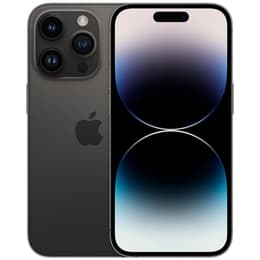
iPhone 14 Pro • Unlocked
Starting at

Refurbished price:$354.99

Versus $999.00 new

See options
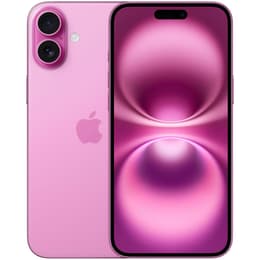
iPhone 16 Plus • Unlocked
Starting at

Refurbished price:$575.98

Versus $829.00 new

See options

Ratings

The iPhone 14 Pro, released in September 2022, and the iPhone 16 Plus, launched in September 2024, represent different tiers and generations within Apple's smartphone lineup. While the 14 Pro was a flagship 'Pro' model at its release, the 16 Plus is a more recent 'Plus' variant, offering a larger display and updated internal components. Both devices operate on Apple's iOS ecosystem, providing a consistent user experience, but they diverge in their core specifications and intended user profiles.

Scores

Durability

Evaluating the longevity of these devices involves considering their release timelines and Apple's typical software support cycles.

  • Release Timeline: The iPhone 14 Pro was introduced in September 2022, making it two years older than the iPhone 16 Plus, which debuted in September 2024. This age difference directly impacts the duration of future software support.
  • Software Longevity: Apple generally provides major iOS updates for its iPhones for approximately five to seven years from their release date. Given this pattern, the iPhone 16 Plus is expected to receive major software updates for a longer period, potentially extending its functional lifespan by two years compared to the iPhone 14 Pro. For instance, the iPhone 14 Pro, released with iOS 16, is likely to receive updates until around 2027-2029, while the iPhone 16 Plus, launching with iOS 18, could see support until 2029-2031.
  • Repairability and Materials: Both models feature a Ceramic Shield front cover for enhanced drop protection and are rated IP68 for water and dust resistance, indicating similar levels of physical durability against environmental factors. The iPhone 14 Pro utilizes a stainless steel frame, while the iPhone 16 Plus features an aluminum frame with a matte glass back.

Release Year

2022

2024

Last OS Compatibility

Yes

Yes

Foldable

No

No

Performance

The performance capabilities of the iPhone 14 Pro and iPhone 16 Plus are influenced by their respective internal processors, impacting how smoothly they handle various tasks.

  • Processing Power: The iPhone 14 Pro is equipped with the A16 Bionic chip, which at its release, delivered robust performance for demanding applications, complex multitasking, and graphics-intensive gaming. The iPhone 16 Plus, being two generations newer, incorporates the A18 Bionic chip, offering an expected boost in processing speed and efficiency. This newer chip is designed to handle more intensive computational tasks and future software advancements with greater ease.
  • Real-world Responsiveness: Users of the iPhone 14 Pro generally experience smooth app loading and fluid navigation. The iPhone 16 Plus is anticipated to provide an even more responsive experience, particularly with the integration of new AI features and more demanding applications that leverage its advanced neural engine.
  • Battery Behavior: The iPhone 14 Pro typically offers all-day battery life for moderate users, with around 10-10.5 hours of screen-on time for web browsing. The iPhone 16 Plus, with its larger physical size, is expected to house a larger battery and benefit from the A18 chip's improved power efficiency, likely translating to extended usage times, especially for tasks like video playback and general browsing.

Memory (GB)

6 GB

8 GB

Screen quality

The visual experience on both devices is delivered through high-quality displays, though with some notable distinctions in technology and size.

  • Display Technology and Size: The iPhone 14 Pro features a 6.1-inch Super Retina XDR OLED display, offering deep blacks and vibrant colors. The iPhone 16 Plus comes with a larger 6.7-inch Super Retina XDR OLED display, providing a more expansive viewing area. Both displays offer a resolution of approximately 460 pixels per inch (ppi), ensuring sharp and clear visuals.
  • Refresh Rate and Smoothness: A key difference lies in the refresh rate. The iPhone 14 Pro boasts ProMotion technology, enabling an adaptive refresh rate that can scale from 1Hz to 120Hz. This results in exceptionally smooth scrolling and highly responsive interactions, particularly noticeable in gaming and fast-paced content. The iPhone 16 Plus, while offering a high-quality OLED panel, is expected to maintain a standard 60Hz refresh rate, similar to previous non-Pro models.
  • Brightness and Features: Both displays support HDR and True Tone for accurate color representation. The iPhone 14 Pro offers a peak outdoor brightness of up to 2000 nits, making it highly visible even in direct sunlight. It also includes an Always-On display feature and the Dynamic Island for interactive alerts and activities. The iPhone 16 Plus also features the Dynamic Island and is expected to offer comparable brightness levels for outdoor visibility.

Resolution

1179 x 2556

1290 x 2796

Screen type

LTPO Super Retina XDR OLED

Super Retina XDR OLED

Audiovisual

Both iPhones offer capable camera systems, but the 'Pro' designation of the 14 Pro brings additional photographic versatility.

  • Camera System Configuration: The iPhone 14 Pro features a versatile triple-camera system, including a 48MP Main sensor, a 12MP Ultra Wide lens, and a 12MP 3x Telephoto lens. This telephoto lens provides optical zoom capabilities for capturing distant subjects without significant loss of detail. The iPhone 16 Plus, on the other hand, is equipped with a dual-camera system, comprising a 48MP Main camera and a 12MP Ultra Wide camera, arranged vertically. It does not include a dedicated telephoto lens.
  • Photography Performance: The 14 Pro's 48MP main sensor, combined with Apple's Photonic Engine, excels in capturing detailed and color-rich images, performing well in various lighting conditions, including low light. The iPhone 16 Plus also benefits from a 48MP main sensor and newer image processing algorithms, expected to deliver strong daylight photography and improved low-light performance compared to its direct predecessors.
  • Video Recording and Features: Both devices offer high-quality video recording, including 4K resolution at various frame rates. The iPhone 14 Pro includes advanced features like Cinematic mode (up to 4K@30fps) and Action mode for stabilized video capture. The iPhone 16 Plus is also expected to offer enhanced video capabilities, building on the advancements of its generation.

Main camera

48 megapixels

48 megapixels

Front camera

12 megapixels

12 megapixels

Miscellaneous

Beyond core features, several practical elements differentiate the user experience between these two iPhone models.

  • Connectivity and Ports: Both devices support 5G cellular connectivity, Wi-Fi 6, and Bluetooth 5.3 for robust wireless connections. A significant difference is the charging and data port: the iPhone 14 Pro uses Apple's proprietary Lightning port, while the newer iPhone 16 Plus has transitioned to a USB-C port, offering broader compatibility with accessories and potentially faster data transfer speeds.
  • Physical Design and Handling: The iPhone 14 Pro has a more compact 6.1-inch form factor, weighing 206 grams, which can be more comfortable for one-handed use. The iPhone 16 Plus, with its larger 6.7-inch display, is a bigger device, weighing 199 grams, which might appeal to users who prefer more screen real estate for media consumption or productivity.
  • Additional Features: The iPhone 16 Plus is expected to introduce an Action Button, similar to the iPhone 15 Pro models, offering customizable shortcuts, and a new capacitive Capture Button for quick camera access. Both devices include Face ID for secure authentication.

Weight

7 oz

7030 oz

Screen size (inches)

6.1

6.7

Network

5G

5G

SIM card

eSIM

eSIM

Carrier compatibility

Unlocked

Unlocked

Connector

Lightning

USB-C (USB 2)

Choosing between the iPhone 14 Pro and the iPhone 16 Plus involves weighing the benefits of a previous-generation 'Pro' model against a newer-generation 'Plus' model. User feedback for the iPhone 14 Pro often highlights its excellent camera system, vibrant ProMotion display, and robust performance as key strengths. Some users have noted that while its battery life is generally good, it might not always surpass its predecessors in specific heavy usage scenarios.

The iPhone 16 Plus, as a more recent release, is praised for its larger display and the expected performance uplift from its newer processor, making it well-suited for media consumption and general daily tasks. Its anticipated longer software support also contributes to its appeal for users seeking a device with extended longevity. However, it is expected to lack the ProMotion display technology found in the 14 Pro, which might be a consideration for users prioritizing the smoothest visual experience. The inclusion of the Action Button and Capture Button on the 16 Plus offers practical enhancements for everyday use.

Users prioritizing a more compact device with a high refresh rate display and a dedicated telephoto camera for advanced photography may find the iPhone 14 Pro to be a compelling option. Conversely, those who prefer a larger screen, the latest processor for future-proofing, a USB-C port, and potentially longer software support, and do not require a telephoto lens or a 120Hz display, might lean towards the iPhone 16 Plus. Both devices offer a quality-assured refurbished option, providing an eco-friendly alternative for consumers.


See all articles

Our recent comparisons