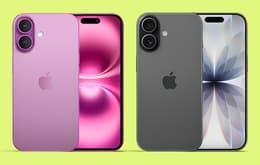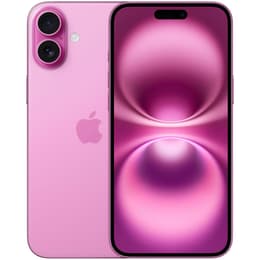
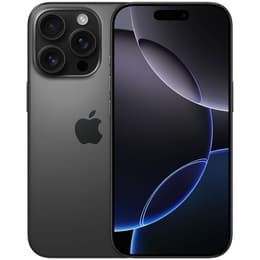

iPhone 16 Plus • Unlocked vs iPhone 16 Pro • Unlocked

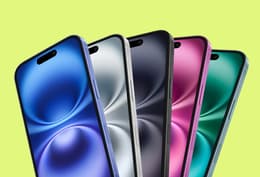
iPhone 16 Plus • Unlocked
Starting at

Refurbished price:$575.98

Versus $829.00 new

See options
iPhone 16 Pro • Unlocked
Starting at

Refurbished price:$621.98

Versus $999.00 new

See options

Ratings

The iPhone 16 Plus and iPhone 16 Pro, both released in September 2024, represent distinct offerings within Apple's smartphone lineup. While sharing the same foundational operating system and access to Apple Intelligence features, they diverge significantly in display technology, camera capabilities, and build materials. These differences cater to varying user preferences, from those prioritizing a larger screen and extended battery life to users seeking advanced photographic tools and a more fluid visual experience.

Scores

Durability

Both the iPhone 16 Plus and iPhone 16 Pro, being part of the same generation, are designed for long-term usability and software support. They were released in September 2024, ensuring a similar duration of major iOS updates and security patches from Apple. [1, 2, 5, 6]

  • Software Longevity: Both models launched with iOS 18 and are expected to receive several years of operating system updates, typically extending for 5-7 years from their release date. [5, 6, 15, 19]
  • Repairability: While specific repairability scores can vary, both devices generally follow Apple's design philosophy, which often involves specialized tools and parts for repairs. The iPhone 16 models feature batteries designed for easier removal, which can simplify battery replacements. [15]
  • Practical Lifespan: Users can anticipate a practical lifespan where both devices perform optimally for several years, benefiting from continuous software enhancements and security updates.

Release Year

2024

2024

Last OS Compatibility

Yes

Yes

Foldable

No

No

Performance

Performance on both the iPhone 16 Plus and iPhone 16 Pro is robust, though the Pro model offers an edge for more demanding tasks due to its specialized processor.

  • Processor Capabilities: The iPhone 16 Plus is powered by the A18 chip, while the iPhone 16 Pro features the A18 Pro chip, which includes an additional GPU core. [16, 18] This means both handle everyday applications and multitasking smoothly, but the Pro model provides a noticeable advantage for intensive graphics, advanced gaming, and complex video editing. [18]
  • Multitasking and Responsiveness: Both devices come with 8GB of RAM, allowing for efficient multitasking and keeping numerous applications open in the background without significant slowdowns. [9, 10, 12]
  • Storage Options: While specific base storage was not consistently detailed for the Plus, Pro models often start with higher base storage capacities and offer more maximum storage options, catering to users who require extensive space for media and applications. [10, 22]

Memory (GB)

8 GB

8 GB

Screen quality

The visual experience on both iPhones is vibrant and clear, but the iPhone 16 Pro introduces advanced display technology that enhances smoothness and brightness.

  • Display Technology: Both models feature Super Retina XDR OLED displays, offering deep blacks and vibrant colors. [15, 17] However, the iPhone 16 Pro incorporates ProMotion technology, providing an adaptive refresh rate up to 120Hz for smoother scrolling and more fluid animations, whereas the iPhone 16 Plus maintains a standard 60Hz refresh rate. [14, 18, 19]
  • Resolution and Clarity: The iPhone 16 Plus features a 6.7-inch display with a resolution of 2796 by 1290 pixels, while the iPhone 16 Pro has a 6.3-inch display with a resolution of 2556 by 1179 pixels. Both offer a pixel density of 460 pixels per inch, ensuring sharp and clear visuals. [17]
  • Brightness Levels: The iPhone 16 Pro offers a higher typical maximum brightness of 1200 nits compared to the 1000 nits on the iPhone 16 Plus, making the Pro model potentially easier to view in bright outdoor conditions. Both achieve a peak HDR brightness of 1600 nits and an outdoor peak brightness of 2000 nits. [8, 15, 17]

Resolution

1290 x 2796

1206 x 2622

Screen type

Super Retina XDR OLED

LTPO Super Retina XDR OLED

Audiovisual

The camera systems on the iPhone 16 Plus and iPhone 16 Pro offer excellent image and video capture, with the Pro model providing a more versatile and advanced setup for photography enthusiasts.

  • Camera System Capabilities: The iPhone 16 Plus features an advanced dual-camera system with a 48MP Main camera (capable of 2x telephoto) and a 12MP Ultra Wide camera. [17] The iPhone 16 Pro elevates this with a triple camera system, including a 48MP Main camera with a faster shutter, an upgraded 48MP Ultra Wide camera, and a 12MP Telephoto lens offering 5x optical zoom. [3, 7, 14, 16, 18, 19]
  • Photography Performance: The Pro model's larger sensors and advanced computational photography features, such as a 48MP ultrawide camera and a 5x telephoto lens, contribute to sharper images, improved low-light performance, and greater flexibility for various shooting scenarios. [7, 14, 16] The iPhone 16 Plus still delivers high-quality photos suitable for most users. [16]
  • Video Recording Quality: Both devices support 4K video recording, but the iPhone 16 Pro offers advanced video capabilities like ProRes and Log video recording, along with the ability to capture 4K video at 120 frames per second, enabling more detailed slow-motion footage. [16, 18] The iPhone 16 Plus is limited to 4K at 60 frames per second. [16]

Main camera

48 megapixels

48 megapixels

Front camera

12 megapixels

12 megapixels

Miscellaneous

Beyond core performance and display, several practical elements differentiate the iPhone 16 Plus and iPhone 16 Pro, impacting daily use and handling.

  • Build Materials and Durability: The iPhone 16 Plus features an aluminum frame and Ceramic Shield front, offering solid durability. The iPhone 16 Pro, however, utilizes a titanium frame, which provides a more premium feel and can contribute to a lighter yet stronger build. Both models carry an IP68 rating for dust and water resistance. [11, 18]
  • Connectivity Options: While both support 5G cellular connectivity, the iPhone 16 Plus supports Wi-Fi 6E, whereas the iPhone 16 Pro steps up to Wi-Fi 7, offering potentially faster wireless speeds and lower latency for compatible networks. [12, 23]
  • Port Types and Transfer Speeds: Both devices feature a USB-C port. However, the iPhone 16 Plus uses a USB 2.0 standard, while the iPhone 16 Pro incorporates a USB 3.1 standard, allowing for significantly faster data transfer speeds, which is beneficial for moving large files like high-resolution photos and videos. [11, 18]

Weight

7030 oz

7030 oz

Screen size (inches)

6.7

6.3

Network

5G

5G

SIM card

eSIM

eSIM

Carrier compatibility

Unlocked

Unlocked

Connector

USB-C (USB 2)

USB-C (USB 3)

The iPhone 16 Plus and iPhone 16 Pro, both released in September 2024, cater to different user needs within the premium smartphone segment. User feedback often highlights the iPhone 16 Plus as an excellent choice for those who prioritize a larger display and extended battery life for everyday use, appreciating its consistent performance and vibrant screen. [19, 20] Some users, however, express a desire for a higher refresh rate on the Plus model, noting the smoother experience offered by the ProMotion display on the Pro. [18, 19]

Conversely, the iPhone 16 Pro is frequently praised by users for its advanced camera system, including the versatile telephoto lens and enhanced low-light capabilities, making it a favorite among photography and videography enthusiasts. [18, 19] Its ProMotion display and more powerful processor are also commonly cited as significant advantages for a more fluid and responsive user experience, especially for gaming and demanding applications. [18, 19] Criticisms, when present, often revolve around the Pro model's slightly smaller screen compared to the Plus, for users who prefer maximum screen real estate. [19, 20]

Users prioritizing a larger screen for media consumption and general daily tasks, coupled with potentially longer battery endurance, may find the iPhone 16 Plus well-suited to their needs. Those who value cutting-edge camera technology, a smoother display experience, and faster data transfer speeds for professional or creative workflows will likely lean towards the iPhone 16 Pro. Both devices offer access to Apple Intelligence and a robust iOS experience. For those considering these models, exploring quality-assured refurbished options can provide a sustainable choice without compromising on performance or features.

See all articles

Our recent comparisons