Compare models
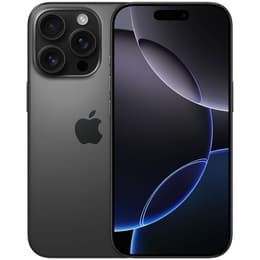
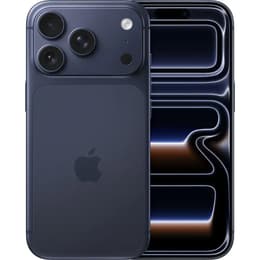
iPhone 16 Pro • Unlocked vs iPhone 17 Pro • Unlocked
- 1-year warranty
- Free standard shipping
- Free 30-day returns
Differences at a glance
The iPhone 16 Pro (2024) and the iPhone 17 Pro (2025) represent consecutive generations of Apple's high-end smartphone line, both running the iOS operating system. While sharing a similar titanium-framed philosophy and flagship positioning, the iPhone 17 Pro introduces refined internal components, increased memory capacity, and enhanced power efficiency that distinguish it from the previous generation.
Available Models
Color
Storage (GB)
Scores
Durability
Both devices are built for long-term software support within the Apple ecosystem, though their release timelines create a natural offset in longevity. Opting for a quality-assured refurbished option provides access to these durable builds as an eco-friendly alternative.
- Release timeline and support: The iPhone 16 Pro launched in late 2024, whereas the iPhone 17 Pro arrived in late 2025, giving the newer model an extra year of expected future software updates.
- Repairability and durability: Both models feature robust titanium structures, ceramic-shield front glass, and high water-resistance ratings, maintaining identical repair pathways and physical resilience during daily wear.
Release Year
2024
2025
Last OS Compatibility
Yes
Yes
Foldable
No
No
Performance
Daily operation across both smartphones handles demanding applications, intensive gaming, and background multitasking with high fluidity, though memory allocation differs between the two generations.
- Multitasking and memory: The iPhone 16 Pro incorporates 8 GB of RAM, while the iPhone 17 Pro increases memory capacity to 12 GB, allowing more background applications to remain active simultaneously without reloading.
- Battery and processing: The iPhone 17 Pro features a larger physical battery capacity paired with a more energy-efficient processor architecture, translating into longer operational hours under heavy daily use compared to the iPhone 16 Pro's more modest battery endurance.
Screen quality
Both models deliver sharp visuals through advanced organic light-emitting diode panels designed for high color accuracy and fluid motion.
- Display technology: Both devices feature a 6.3-inch Super Retina XDR display with a dynamic refresh rate reaching up to 120 hertz for smooth scrolling and responsive touch interactions.
- Outdoor visibility: The iPhone 17 Pro achieves a higher peak outdoor brightness level compared to the iPhone 16 Pro, improving text legibility and image clarity under direct sunlight.
Resolution
1206 x 2622
2622x1206
Screen type
LTPO Super Retina XDR OLED
Super Retina XDR
Audiovisual
Photography and video capture on both handsets cater to detailed everyday documentation, low-light environments, and high-definition recording.
- Sensor capabilities: Both models utilize triple-lens rear configurations featuring high-resolution main, ultra-wide, and telephoto lenses equipped with optical image stabilization.
- Media and audio: Both devices include studio-quality microphone arrays for clear call transmission and stereo speaker setups that deliver balanced spatial audio playback during media consumption.
Main camera
48 megapixels
48 megapixels
Front camera
12 megapixels
18 megapixels
Miscellaneous
Physical dimensions and connectivity standards remain closely aligned, ensuring a familiar handling experience across both iterations.
- Connectivity and ports: Both smartphones support fast wireless standards including Wi-Fi 7 and utilize universal USB-C connectivity for charging and data transfer.
- Design and handling: The iPhone 17 Pro is fractionally thicker and heavier to accommodate its larger internal battery, though both devices share identical screen dimensions and titanium build finishes.
Weight
185 oz
206 oz
Screen size (inches)
6.3
6.3
Network
5G
5G
SIM card
eSIM
eSIM
Carrier compatibility
Unlocked
Unlocked
Connector
USB-C (USB 3)
USB-C
What the community thinks
User discussions across online communities frequently praise both devices for their sturdy build quality, responsive displays, and robust camera performance. Common criticisms for the iPhone 16 Pro center around more frequent charging requirements under heavy workloads, while discussions regarding the iPhone 17 Pro often focus on its incremental physical design changes relative to its predecessor.
Users prioritizing extended battery endurance and maximum multitasking headroom may prefer the iPhone 17 Pro, while users seeking a capable flagship device at a different point in the product lifecycle may lean toward the iPhone 16 Pro. Evaluating these practical differences allows users to select the device that best aligns with their individual workflow requirements.