Compare models
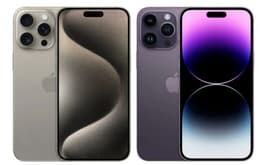
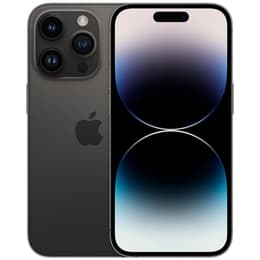
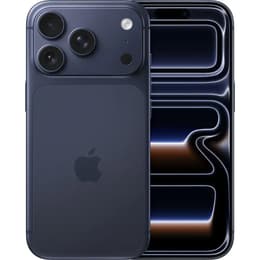
iPhone 14 Pro • Unlocked vs iPhone 17 Pro • Unlocked
- 1-year warranty
- Free standard shipping
- Free 30-day returns
Differences at a glance
The iPhone 14 Pro (2022) and the iPhone 17 Pro (2025) represent significant milestones in Apple's smartphone lineup, separated by three generations of hardware development. While both devices run on iOS and share a premium smartphone format with triple-lens camera arrays, the newer model introduces substantial enhancements in processing power, display technology, and energy efficiency. Evaluating these two options clarifies how generational progress affects everyday usability.
Available Models
Color
Storage (GB)
Scores
Durability
When examining hardware longevity and support timelines, the release year gap creates notable distinctions in anticipated software lifespans and structural endurance.
- Software Support Timeline: The iPhone 17 Pro benefits from a later release date, securing several additional years of official system updates and security patches compared to its predecessor.
- Repairability and Build: Both devices incorporate robust glass-and-metal construction designed to withstand daily wear, though newer models feature more refined internal layouts that streamline certain repair procedures.
- Expected Lifespan: Users seeking maximum software longevity will find that the extended update lifecycle of the newer generation aligns better with multi-year usage plans.
Release Year
2022
2025
Last OS Compatibility
Yes
Yes
OS
iOS
iOS
Foldable
No
No
Performance
Day-to-day operation reveals how generational processor advancements and memory allocations change multitasking responsiveness and application handling.
- Multitasking and App Loading: The iPhone 17 Pro handles demanding applications and rapid switching between heavy background tasks with increased fluidity thanks to its current-generation processor and expanded memory capacity.
- Battery Behavior: Battery endurance differs notably, with the newer hardware architecture providing improved energy efficiency that helps power users sustain a full day of heavy use more reliably than the iPhone 14 Pro.
- Storage Configurations: Both devices offer ample storage tiers starting at baseline capacities suitable for large photo libraries and extensive media downloads.
Screen quality
Display capabilities have evolved to offer brighter viewing experiences and smoother motion handling across varying lighting environments.
- Display Technology: Both models utilize vibrant OLED panels with deep contrast levels, but the iPhone 17 Pro introduces higher peak outdoor brightness thresholds for improved visibility under direct sunlight.
- Refresh Rate and Motion: Each device supports smooth adaptive refresh rates up to 120Hz, ensuring fluid scrolling and responsive touch interactions during daily navigation.
- Panel Dimensions: The iPhone 17 Pro slightly refines screen dimensions and border margins, providing a marginally larger viewing area within a comparable overall physical footprint.
Resolution
1179 x 2556
2622x1206
Screen type
LTPO Super Retina XDR OLED
Super Retina XDR
Audiovisual
Photography and media capture capabilities differ across lens resolution, low-light processing speeds, and video recording versatility.
- Camera System Capabilities: Both smartphones feature capable triple-lens configurations, but the iPhone 17 Pro incorporates higher-resolution sensors across secondary lenses and advanced image processing engines for sharper detail capture.
- Low-Light and Video Performance: Challenging lighting conditions are handled more effectively on the newer model, which reduces digital noise in dim environments and stabilizes high-definition video recording more smoothly.
- Audio and Media Output: Built-in stereo speakers on both devices deliver balanced sound output for casual media streaming and hands-free calling.
Main camera
48 megapixels
48 megapixels
Front camera
12 megapixels
18 megapixels
Miscellaneous
Practical everyday features such as connectivity standards, physical dimensions, and security sensors dictate how each phone integrates into daily routines.
- Connectivity Standards: The iPhone 17 Pro adopts faster wireless communication modules and upgraded local networking protocols compared to the older wireless hardware inside the iPhone 14 Pro.
- Physical Handling: Both models maintain a comfortable hand-feel, though minor adjustments to weight distribution and edge contours on the newer iteration subtly influence ergonomics during prolonged use.
- Authentication: Both devices rely on secure facial recognition sensors housed within the screen cutout area for quick unlocking and verified digital transactions.
Weight
7 oz
206 oz
Screen size (inches)
6.1
6.3
Network
5G
5G
SIM card
eSIM
eSIM
Carrier compatibility
Unlocked
Unlocked
Connector
Lightning
USB-C
What the community thinks
Choosing between these two smartphones depends heavily on individual priorities regarding software longevity and hardware capabilities. Users prioritizing cutting-edge processing efficiency, maximum display brightness, and extended software support timelines will find the iPhone 17 Pro well-suited to their needs. Conversely, users seeking a capable high-end smartphone experience without the latest generational additions may find that the iPhone 14 Pro fulfills standard daily requirements effectively.
For those exploring sustainable purchasing routes, opting for a quality-assured refurbished option provides a reliable, eco-friendly alternative that extends device life cycles. Reviewing personal usage habits—such as the demand for heavy multitasking or long-term software updates—remains the most effective way to determine the ideal model.