
Compare models
iPhone 17 Pro • Unlocked vs iPhone Air • Unlocked
- 1-year warranty
- Free standard shipping
- Free 30-day returns
Differences at a glance
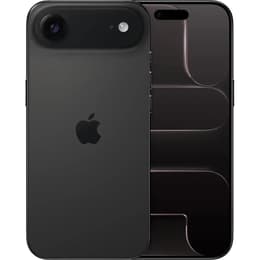
The iPhone 17 Pro (2025) and the iPhone Air (2025) represent two distinct approaches to smartphone engineering within Apple's mobile lineup. While both run on iOS and share high-end generational foundations, they target entirely different user preferences. The iPhone 17 Pro focuses on robust utility, advanced camera versatility, and sustained processing power, whereas the iPhone Air prioritizes an ultra-slim profile and lightweight physical handling.
Available Models
Color
Storage (GB)
Scores
Durability
Both devices launched concurrently in late 2025 and run on current Apple mobile software, ensuring a synchronized long-term update path.
- Software Longevity: Both models receive multi-year operating system upgrades and routine security patches simultaneously, supporting long-term daily reliability.
- Build Integrity: The iPhone 17 Pro utilizes a dense, durable metal unibody designed for heavy-duty environments, while the iPhone Air adopts an ultra-thin titanium frame that requires careful handling against structural bending under extreme pressure.
- Repair Ecosystem: Both handsets feature modern internal modularity, though the denser packing of the ultra-slim model can slightly increase repair complexity during component replacements.
Release Year
2025
2025
Last OS Compatibility
Yes
Yes
OS
iOS
iOS
Foldable
No
No
Performance
Performance capabilities are robust across both handsets, though thermal dissipation and sustained workloads differ due to physical dimensions.
- Multitasking and Responsiveness: Generous memory allocations on both devices enable smooth switching between demanding productivity applications, web browsing, and graphics-heavy mobile games without stutter.
- Thermal Management: The iPhone 17 Pro incorporates dedicated internal cooling structures to sustain high processing speeds during extended gaming sessions, whereas the iPhone Air relies on passive dissipation within its slim chassis.
- Battery Endurance: The larger battery footprint of the iPhone 17 Pro sustains full days of heavy utilization more comfortably, while the slim profile of the iPhone Air results in more frequent charging requirements for intensive users.
Screen quality
Visual output is a strong suit for both smartphones, offering high-clarity OLED panels equipped with adaptive refresh rates for fluid motion.
- Display Real Estate: The iPhone Air offers a slightly larger viewing area suited for media consumption, while the iPhone 17 Pro provides a more compact screen size that improves one-handed reachability.
- Outdoor Visibility: Both displays reach high peak brightness thresholds, ensuring sharp contrast and legible text under direct sunlight.
- Motion and Clarity: Smooth scrolling and responsive touch tracking come standard on both devices via high-frequency refresh rate technology.
Resolution
2622x1206
2736x1260
Screen type
Super Retina XDR
Super Retina XDR
Audiovisual
Media capture hardware represents one of the primary points of divergence between these two phones.
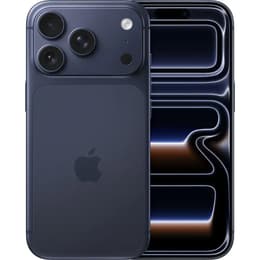
- Lens Versatility: The iPhone 17 Pro features a flexible triple-lens configuration including wide, ultra-wide, and long-range optical zoom capabilities, whereas the iPhone Air streamlines photography with a single high-resolution wide lens.
- Video and Audio: Both units record crisp high-definition video with spatial audio features, though professional filmmakers often lean toward the multi-lens system for varied framing options.
- Media Playback: The iPhone 17 Pro delivers a robust stereo speaker output, while the iPhone Air utilizes a simplified speaker layout optimized to fit its thin interior architecture.
Main camera
48 megapixels
48 megapixels
Front camera
18 megapixels
18 megapixels
Miscellaneous
Physical handling characteristics and daily ecosystem connectivity set these devices apart in practical use scenarios.
- Portability: The iPhone Air stands out for its remarkably light weight and slender depth, making it virtually unnoticeable in pockets or small bags, compared to the heavier, more substantial feel of the iPhone 17 Pro.
- Connectivity and Ports: Both models use universal USB-C ports for data transfer and charging alongside comprehensive wireless standards, though the iPhone Air omits external video output through its physical port.
- Security and Biometrics: Fast facial recognition sensors and secure digital authentication methods operate identically across both devices.
Weight
206 oz
185 oz
Screen size (inches)
6.3
6.5
Network
5G
5G
SIM card
eSIM
eSIM
Carrier compatibility
Unlocked
Unlocked
Connector
USB-C
USB-C
What the community thinks
User feedback from online communities highlights distinct preferences for each device based on lifestyle habits. Owners of the iPhone 17 Pro frequently praise its exceptional battery endurance, comprehensive multi-lens camera system, and reliable performance under heavy workloads. Conversely, users drawn to the iPhone Air consistently emphasize satisfaction with its featherlight weight and remarkably slim pocket profile, though some note the limitations of a single-lens camera and shorter battery intervals.
When deciding between the two, users prioritizing maximum photographic versatility, robust battery life, and sustained performance will find the iPhone 17 Pro well-suited to their needs. Meanwhile, users prioritizing maximum portability, a lightweight feel, and a streamlined daily carry will lean toward the iPhone Air. Choosing a quality-assured refurbished option through platforms like Back Market provides an eco-friendly alternative for acquiring either model while reducing electronic waste. Ultimately, your choice depends entirely on whether physical slenderness or hardware capability takes priority in your daily routine.