
Galaxy S21 FE 5G • Locked AT&T vs iPhone 11 • Unlocked

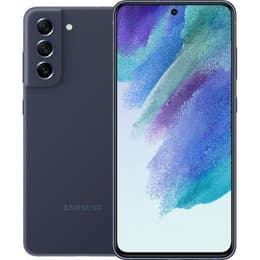
Galaxy S21 FE 5G • Locked AT&T
Starting at

Refurbished price:$135.00

Versus $699.99 new

See options
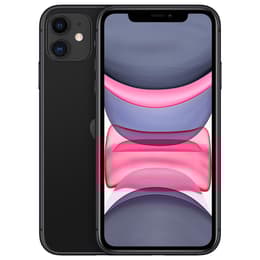
iPhone 11 • Unlocked
Starting at

Refurbished price:$152.00

Versus $499.00 new

See options

Ratings

The Samsung Galaxy S21 FE 5G (Fan Edition) and the Apple iPhone 11 are both smartphones that offer distinct user experiences. The Galaxy S21 FE 5G, released in January 2022, runs on the Android operating system, while the iPhone 11, launched in September 2019, operates on iOS. A key differentiator lies in their display technology and camera systems, reflecting their respective release timelines and manufacturer philosophies.

Scores

Durability

When considering the practical lifespan of these devices, their release timelines and software support policies are important factors. The iPhone 11, released in September 2019, has received major iOS updates for several years, with expectations of continued security updates. The Galaxy S21 FE 5G, launched in January 2022, benefits from a more recent release, and Samsung has committed to providing four major Android OS upgrades and five years of security updates from its launch.

  • Software Longevity: The Galaxy S21 FE 5G is expected to receive major Android OS updates until Android 16 and security updates until early 2027, offering a longer guaranteed software support period from the current date. The iPhone 11, having been released earlier, is likely nearing the end of its major iOS update cycle, with some sources suggesting support until iOS 26 (around late 2026) for major updates, followed by security patches.
  • Repairability: Both devices are designed with modern smartphone construction, and their repairability scores can vary depending on the specific component and access to parts. General user experience suggests that both brands offer repair services, and independent repair options may also be available for common issues.
  • Expected Practical Lifespan: Users often find that the practical lifespan of a smartphone extends beyond its official major software update period, especially with continued security updates. The newer release of the Galaxy S21 FE 5G gives it an inherent advantage in terms of how long it will receive the latest features and security patches.

Release Year

2022

2019

Last OS Compatibility

Yes

Yes

OS

Android

iOS

Foldable

No

No

Performance

The performance of a smartphone is crucial for daily tasks, from navigating apps to engaging with demanding content. Both the Galaxy S21 FE 5G and the iPhone 11 offer capable performance for their respective generations, though their underlying architectures differ.

  • Overall System Responsiveness: The iPhone 11, with its optimized iOS ecosystem, provides a fluid and responsive user experience for general navigation and app usage. The Galaxy S21 FE 5G, running on a more recent processor, handles demanding applications and multitasking smoothly, offering a high level of responsiveness for Android users.
  • Battery Behavior: The Galaxy S21 FE 5G is equipped with a 4500 mAh battery, which generally provides a full day of use for many users, even with a 120Hz refresh rate enabled. The iPhone 11 features a 3110 mAh battery, and users have reported that it can last through a full day of typical usage.
  • Storage Options: Both devices offer various internal storage configurations. The iPhone 11 is available with 64 GB, 128 GB, or 256 GB of storage. The Galaxy S21 FE 5G typically comes with 128 GB or 256 GB of internal storage.

Memory (GB)

6 GB

4 GB

Screen quality

The visual experience is a significant aspect of smartphone usage, and the display technologies in the Galaxy S21 FE 5G and iPhone 11 present different characteristics.

  • Display Technology and Clarity: The Galaxy S21 FE 5G features a 6.4-inch Dynamic AMOLED 2X display, offering vibrant colors, deep blacks, and a high contrast ratio. The iPhone 11 utilizes a 6.1-inch Liquid Retina IPS LCD, known for its color accuracy and wide viewing angles, though it does not achieve the same level of black depth as an OLED panel.
  • Refresh Rate and Smoothness: The Galaxy S21 FE 5G boasts a 120Hz refresh rate, contributing to smoother scrolling and a more fluid visual experience, particularly noticeable in fast-paced content and gaming. The iPhone 11 has a standard 60Hz refresh rate, which provides a consistent visual experience for everyday tasks.
  • Brightness Levels: The Galaxy S21 FE 5G's AMOLED display can achieve high brightness levels, making it suitable for outdoor visibility. The iPhone 11's LCD screen also offers good brightness for various lighting conditions.

Resolution

1080 x 2340

828 x 1792

Screen type

Dynamic AMOLED 2X

Liquid Retina IPS LCD

Audiovisual

Both smartphones offer capable camera systems designed to capture moments, though they approach photography with different hardware and software optimizations.

  • Camera System Capabilities: The Galaxy S21 FE 5G features a versatile triple-camera setup on the rear, including a 12MP wide, 12MP ultrawide, and an 8MP telephoto lens with 3x optical zoom. The iPhone 11 has a dual-camera system with a 12MP wide and a 12MP ultrawide lens.
  • Photography Performance: The Galaxy S21 FE 5G is noted for producing detailed and color-accurate photos in various lighting conditions, with its telephoto lens offering optical zoom capabilities. The iPhone 11 is praised for its reliable colors and stable video, with a strong performance in daylight and an effective Night Mode for low-light situations.
  • Video Recording Quality: Both devices are capable of recording high-quality video. The Galaxy S21 FE 5G supports 4K video recording at 30/60 frames per second. The iPhone 11 also offers 4K video recording at up to 60 frames per second, with good stabilization.

Main camera

12 megapixels

12 megapixels

Front camera

32 megapixels

12 megapixels

Miscellaneous

Beyond core performance and display, several practical elements contribute to the overall user experience of these smartphones.

  • Connectivity Options: The Galaxy S21 FE 5G supports 5G connectivity, Wi-Fi 6, and Bluetooth 5.0, offering modern wireless communication speeds. The iPhone 11 supports 4G LTE, Wi-Fi 6, and Bluetooth 5.0.
  • Port Types and Biometrics: The Galaxy S21 FE 5G uses a USB-C port for charging and data transfer and features an optical fingerprint sensor under the display for secure unlocking. The iPhone 11 utilizes Apple's proprietary Lightning port and relies on Face ID for biometric authentication.
  • Build Materials and Dimensions: The Galaxy S21 FE 5G has an aluminum frame with a plastic back and Corning Gorilla Glass Victus protecting the front, weighing 177g. The iPhone 11 features a glass front and back with an aluminum frame, weighing 194g.

Weight

7 oz

7 oz

Screen size (inches)

6.4

6.1

Network

5G

LTE

SIM card

Physical SIM

Physical SIM + eSIM

Carrier compatibility

AT&T

Unlocked

The Samsung Galaxy S21 FE 5G and the iPhone 11 cater to different user preferences, each with its own set of strengths. Users often praise the Galaxy S21 FE 5G for its vibrant AMOLED display with a high refresh rate, its versatile camera system including a telephoto lens, and its longer software support timeline. Some users, however, have noted that its battery life, while generally good, might not be sufficient for very heavy usage, and its design can be perceived as less premium compared to other flagship devices.

The iPhone 11 is frequently lauded for its consistent performance, reliable camera quality, particularly its Night Mode, and the overall smooth experience of the iOS ecosystem. Its battery life was also a significant improvement for its generation. Criticisms sometimes point to its LCD display not matching the deep blacks of OLED screens, and its lack of a dedicated telephoto lens.

Users prioritizing a modern display with a high refresh rate, 5G connectivity, and a more comprehensive camera setup with optical zoom may find the Galaxy S21 FE 5G well-suited to their needs. Conversely, users who value the long-term software stability and ecosystem of iOS, a consistent camera experience, and Face ID authentication might lean towards the iPhone 11. Both devices offer solid performance for everyday tasks. For those considering either model, exploring quality-assured refurbished options can provide an eco-friendly alternative.

See all articles

Our recent comparisons