
Compare models

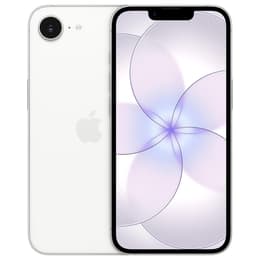
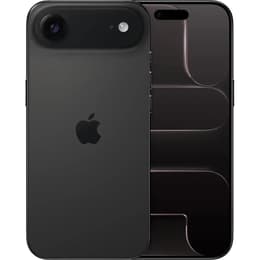
iPhone 17e • Unlocked vs iPhone Air • Unlocked

  • 1-year warranty
  • Free standard shipping
  • Free 30-day returns
iPhone 17e • Unlocked
Starting at

Refurbished price:$574.00

Versus $699.00 new

See options
iPhone Air • Unlocked
Starting at

Refurbished price:$776.00

Versus $999.00 new

See options

Differences at a glance

The iPhone 17e (2026) and the iPhone Air (2025) represent distinct approaches to modern smartphone design within Apple's ecosystem. While the iPhone 17e focuses on providing a classic form factor with updated internal capabilities, the iPhone Air prioritizes a breakthrough ultra-thin chassis and an expanded viewing area. Both devices run on iOS and support current software features, but their physical builds and core hardware configurations cater to very different daily preferences.

Available Models

Color

Storage (GB)

Scores

Durability

Both smartphones provide strong long-term usability backed by extended operating system support, though their hardware timelines differ by several months.

  • Software Support: Both models receive multi-year operating system upgrades and security patches, ensuring equal longevity for app compatibility.
  • Build Durability: The iPhone 17e features reinforced front glass protection, whereas the iPhone Air utilizes a rigid titanium frame paired with a thin profile structure.
  • Repairability: Both devices follow modern construction standards with standard module placement, offering similar repair pathways through certified service channels.

Release Year

2026

2025

OS

iOS

iOS

Foldable

No

No

Performance

Underneath their exteriors, these devices handle demanding software tasks, multitasking, and daily applications efficiently while utilizing different internal hardware tiers.

  • Multitasking and Speed: Both models switch between heavy applications seamlessly, though the iPhone Air includes a higher amount of memory dedicated to intensive background tasks.
  • Battery Behavior: The iPhone 17e incorporates a larger physical power cell suited for prolonged daily usage, whereas the ultra-thin design of the iPhone Air requires more frequent recharging during heavy workloads.
  • Storage Configurations: Both devices start with generous baseline storage capacities, eliminating frequent warnings about full memory during routine photo and video capture.

Screen quality

Visual output differs primarily in physical dimensions and panel refresh rates, affecting how media consumption and scrolling look in daily use.

  • Display Technology: Both models utilize vibrant OLED panels with deep contrast levels and sharp text rendering, though the iPhone Air offers a larger 6.5-inch viewing canvas compared to the 6.1-inch screen on the iPhone 17e.
  • Motion Smoothness: The iPhone Air features a high refresh rate display for fluid scrolling and animations, while the iPhone 17e uses a standard refresh rate.
  • Outdoor Visibility: Both screens reach high peak brightness levels, ensuring readability under direct sunlight.

Resolution

2532 x 1170

2736x1260

Audiovisual

Imaging capabilities across both models deliver crisp detail for everyday memories and video recording, tailored to different physical camera layouts.

  • Photography Performance: Both devices feature a primary 48-megapixel main camera sensor capable of capturing detailed daylight shots and clean low-light imagery.
  • Video Recording: High-resolution video capture with advanced stabilization and spatial audio recording is supported on both smartphones.
  • Audio and Media Output: The iPhone 17e provides traditional stereo audio playback, while the iPhone Air balances its ultra-thin speaker layout for calls and casual media viewing.

Main camera

48 megapixels

48 megapixels

Front camera

12 megapixels

18 megapixels

Miscellaneous

Physical handling characteristics and connectivity standards highlight the structural divergence between these two design philosophies.

  • Dimensions and Weight: The iPhone Air measures exceptionally thin at 5.6 mm and weighs slightly less, whereas the iPhone 17e offers a traditional profile with standard thickness.
  • Biometrics and Ports: Both models rely on face recognition security and utilize standard USB connectivity standards for charging and data transfer.
  • Wireless Standards: Both phones include modern cellular connectivity, with the iPhone Air supporting slightly advanced local wireless networking generations.

Weight

169 oz

185 oz

Screen size (inches)

6.1

6.5

Network

5G

5G

SIM card

eSIM

eSIM

Carrier compatibility

Unlocked

Unlocked

Connector

USB-C (USB 2)

USB-C

What the community thinks

Choosing between these two smartphones depends heavily on physical preferences and daily usage priorities. Users prioritizing a featherlight, ultra-slim profile and a larger high-refresh-rate display will find the iPhone Air well-suited to their expectations. Conversely, users favoring a traditional grip, extended battery endurance, and a compact footprint often lean toward the iPhone 17e.

For those exploring sustainable purchasing routes, choosing a quality-assured refurbished option through platforms like Back Market offers an eco-friendly alternative that extends device lifecycles without compromising on modern performance standards. Reviewing individual workflow habits remains the most effective way to determine which model aligns with daily needs.
Our recent comparisons