
Google Pixel 6a • Unlocked vs iPhone 16 Pro • Unlocked

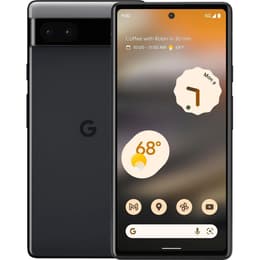
Google Pixel 6a • Unlocked
Starting at

Refurbished price:$141.00

Versus $399.00 new

See options
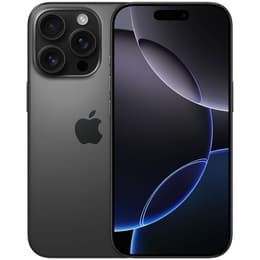
iPhone 16 Pro • Unlocked
Starting at

Refurbished price:$621.98

Versus $999.00 new

See options

Ratings

The Google Pixel 6A, released in July 2022, and the iPhone 16 Pro, launched in September 2024, represent different segments and generations within the smartphone market. While the Pixel 6A offers a streamlined Android experience, the iPhone 16 Pro delivers Apple's latest advancements in performance, camera technology, and display quality. Both devices operate on their respective ecosystems, Android for the Pixel and iOS for the iPhone, offering distinct user interfaces and app experiences.

Scores

Durability

When considering the longevity of these devices, several factors come into play, including their release timelines, software support, and physical durability.

  • Release Timeline and Age: The Google Pixel 6A was introduced in mid-2022, making it a device that has been on the market for a few years. The iPhone 16 Pro, on the other hand, is a more recent release from late 2024, benefiting from newer components and design considerations. This difference in release year impacts the expected duration of software updates and overall technological relevance.
  • OS Support Duration: Google typically provides several years of major Android updates and security patches for its Pixel devices, with the Pixel 6A expected to receive updates through 2027. Apple is known for its extended software support, often providing iOS updates for five to six years or more from a device's release, suggesting the iPhone 16 Pro will receive software support well into the future. [1, 2, 20]
  • Physical Durability: The Pixel 6A features Corning Gorilla Glass 3 for screen protection and an IP67 rating for dust and water resistance, indicating protection against immersion in up to 1 meter of water for 30 minutes. [1, 32] The iPhone 16 Pro incorporates a Ceramic Shield front cover and a titanium frame, along with an IP68 rating, allowing for submersion in up to 6 meters of water for 30 minutes, suggesting enhanced resistance to everyday hazards. [2, 7, 8, 23]

Release Year

2022

2024

Last OS Compatibility

Yes

Yes

Foldable

No

No

Performance

The performance capabilities of the Pixel 6A and iPhone 16 Pro reflect their respective market positions and release years, influencing how smoothly they handle various tasks.

  • Processor Capabilities: The Pixel 6A is powered by Google's Tensor chip, which provides efficient performance for daily applications, multitasking, and some demanding tasks. [1, 15] The iPhone 16 Pro features Apple's A18 Pro chip, designed for advanced processing, offering substantial improvements in speed and efficiency, particularly for intensive applications, gaming, and AI-driven features. [2, 6, 7, 22]
  • Memory and Storage: The Pixel 6A comes with 6GB of RAM and 128GB of internal storage, which is not expandable. [1, 15] The iPhone 16 Pro offers 8GB of RAM and a range of storage options from 128GB up to 1TB, providing more flexibility for users with extensive storage needs. [2, 6, 7, 22, 23]
  • Battery Behavior: The Pixel 6A houses a 4410 mAh battery, generally providing a full day of use for many users, with some reporting up to 1.5 days with lighter usage. [1, 17, 39] The iPhone 16 Pro, with a 3582 mAh battery, is rated for up to 27 hours of video playback, and user experiences suggest it offers extended battery life, often lasting through a full day of varied use. [14, 18, 21]

Memory (GB)

6 GB

8 GB

Screen quality

The visual experience on both devices is shaped by their display technologies, resolution, and additional features.

  • Display Technology and Size: The Google Pixel 6A features a 6.1-inch OLED display, known for its deep blacks and vibrant colors, offering a clear viewing experience. [1, 4, 32] The iPhone 16 Pro comes with a slightly larger 6.3-inch Super Retina XDR OLED display, which also provides rich colors and high contrast. [2, 7, 10]
  • Resolution and Refresh Rate: The Pixel 6A has a 1080x2400 pixel resolution and a standard 60Hz refresh rate, suitable for everyday content consumption. [1, 3, 4] The iPhone 16 Pro boasts a higher 2622x1206 pixel resolution and features ProMotion technology, offering an adaptive refresh rate that can go up to 120Hz for smoother scrolling and more fluid animations. [2, 7, 10, 23]
  • Brightness and Clarity: The iPhone 16 Pro offers higher typical and peak brightness levels, reaching up to 2000 nits for outdoor viewing, which enhances visibility in bright conditions. [7, 8, 10] Both displays support HDR content, providing a dynamic range for compatible media. [1, 7]

Resolution

1080 x 2400

1206 x 2622

Screen type

OLED

LTPO Super Retina XDR OLED

Audiovisual

The camera systems on the Pixel 6A and iPhone 16 Pro offer different strengths for capturing photos and videos.

  • Rear Camera Systems: The Pixel 6A features a dual-camera setup with a 12.2MP main sensor and a 12MP ultrawide sensor, known for Google's computational photography that produces balanced and detailed images. [1, 5, 19, 33] The iPhone 16 Pro has a more advanced triple-camera system, including a 48MP main sensor, a 48MP ultrawide sensor, and a 12MP 5x telephoto lens, providing greater versatility and detail, especially with its higher megapixel count on the main and ultrawide lenses. [2, 6, 7, 9, 23, 26, 27]
  • Photography Performance: The Pixel 6A excels in everyday photography and low-light conditions due to its software processing, including features like Night Sight and Real Tone. [5, 19, 34] The iPhone 16 Pro offers enhanced low-light performance, improved detail capture, and features like Photonic Engine and Smart HDR 5, contributing to high-quality images across various lighting scenarios. [7, 9]
  • Video Recording and Front Camera: The Pixel 6A records 4K video at up to 60fps with its rear camera and has an 8MP front camera for 1080p video calls. [1, 34, 35] The iPhone 16 Pro supports 4K Dolby Vision video recording at up to 120fps with its rear cameras and features a 12MP front camera capable of 4K video recording, offering more advanced video capabilities and higher resolution for selfies and video calls. [7, 23]

Main camera

12.2 megapixels

48 megapixels

Front camera

8 megapixels

12 megapixels

Miscellaneous

Beyond the core features, several practical elements differentiate the user experience of these two smartphones.

  • Connectivity and Ports: Both devices support 5G connectivity. The Pixel 6A includes Wi-Fi 6E and Bluetooth 5.2, with a USB-C 3.1 port. [1, 15] The iPhone 16 Pro supports the newer Wi-Fi 7 standard and Bluetooth 5.3, also featuring a USB-C port for charging and data transfer. [2, 7, 23]
  • Sensors and Security: The Pixel 6A utilizes an in-display fingerprint sensor for biometric authentication. [25] The iPhone 16 Pro relies on Face ID for secure facial recognition. [6] The iPhone 16 Pro also introduces a new Camera Control button, offering quick access to camera functions. [2, 9, 16]
  • Build Materials and Dimensions: The Pixel 6A has a polycarbonate back and an aluminum frame, weighing 178g. [1] The iPhone 16 Pro features a titanium frame and a textured matte glass back, contributing to its feel and durability, with a weight of 199g. [7, 8, 23] The iPhone 16 Pro is slightly larger and heavier than the Pixel 6A. [1, 7, 8]

Weight

6 oz

7030 oz

Screen size (inches)

6.1

6.3

Network

5G

5G

SIM card

Physical SIM + eSIM

eSIM

Carrier compatibility

Unlocked

Unlocked

The Google Pixel 6A and iPhone 16 Pro cater to different user needs and preferences, reflecting their distinct positions in the smartphone market. The Pixel 6A is often praised for its excellent camera performance, particularly its computational photography features, which deliver consistent and high-quality images for its segment. Users frequently highlight its clean Android experience and reliable daily performance. Some common concerns for the Pixel 6A have included its 60Hz display refresh rate and slower charging speeds compared to some contemporaries. [4, 17, 38]

The iPhone 16 Pro, as a more recent flagship, receives acclaim for its powerful processor, advanced camera system with greater versatility, and its vibrant, high-refresh-rate display. Users appreciate the seamless integration within the Apple ecosystem and the robust build quality. While generally well-received, some user discussions around the iPhone 16 Pro have touched upon its battery life, with experiences varying depending on usage patterns, though overall it offers significant endurance. [18, 36]

Users prioritizing a strong camera experience, a clean Android interface, and a more compact form factor may find the Google Pixel 6A well-suited to their needs. It offers a solid smartphone experience for everyday tasks and photography. Conversely, users who prioritize cutting-edge performance, a highly versatile and advanced camera system, a fluid high-refresh-rate display, and the iOS ecosystem will likely lean towards the iPhone 16 Pro. For those seeking a more sustainable choice, both models are available as quality-assured refurbished options, providing an eco-friendly alternative to purchasing new devices.


See all articles

Our recent comparisons