Compare models
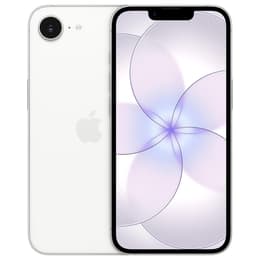
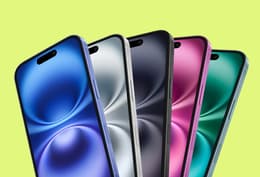
iPhone 16 Pro • Unlocked vs iPhone 17e • Unlocked
- 1-year warranty
- Free standard shipping
- Free 30-day returns
Differences at a glance
The iPhone 16 Pro (2024) and iPhone 17e (2026) represent two different approaches to Apple's smartphone lineup, balancing flagship-tier heritage with streamlined, modern utility. While the iPhone 16 Pro launched as a high-end device with advanced materials and a versatile multi-lens camera system, the iPhone 17e arrives as a later-generation entry-level model focusing on core processing updates and simplified hardware. Both devices run current versions of iOS and support intelligent software features, though they differ notably in camera layouts, display sizes, and physical construction.
Available Models
Color
Storage (GB)
Scores
Durability
Both models benefit from long-term software support and robust build qualities, though their release years and repair frameworks introduce slight variances in practical lifespan.
- Software Longevity: The iPhone 17e launches later in the hardware lifecycle, granting it an extended window of major operating system updates compared to the iPhone 16 Pro.
- Repairability and Build: Both devices feature durable glass-and-metal construction paired with high water and dust resistance ratings, maintaining steady repair ecosystem support.
- Expected Lifespan: Both smartphones easily sustain multi-year daily use cycles, retaining dependable performance for users keeping devices over extended periods.
Release Year
2024
2026
Foldable
No
No
Performance
Under everyday conditions, both devices handle multitasking, demanding applications, and system navigation with high fluidity, though their internal hardware generations differ.
- Storage Configurations: The iPhone 16 Pro offers a broader span of capacity tiers starting from smaller baselines, whereas the iPhone 17e begins at higher internal storage capacities out of the box.
- Multitasking and Speed: Both devices incorporate ample memory to run resource-heavy applications and switch between background tasks seamlessly without stuttering.
- Battery Behavior: Both models provide sufficient battery longevity to navigate a full day of typical mixed usage, though physical battery capacities and thermal efficiencies vary by chassis size.
Screen quality
Visual output across both smartphones relies on sharp OLED technology, delivering deep contrast levels and crisp text rendering for media and productivity.
- Display Tech and Size: The iPhone 16 Pro utilizes a slightly larger 6.3-inch panel with minimal borders, while the iPhone 17e features a compact 6.1-inch display with a traditional notch layout.
- Refresh Rates: The iPhone 16 Pro supports a higher maximum refresh rate for smoother scrolling animations, whereas the iPhone 17e employs a standard refresh rate profile.
- Outdoor Visibility: Both panels scale brightness effectively under direct sunlight, ensuring comfortable outdoor readability for maps and messaging.
Resolution
1206 x 2622
2532 x 1170
Audiovisual
The camera hardware represents one of the primary practical distinctions between the two devices, catering to different photography preferences.
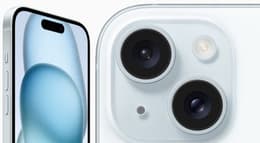
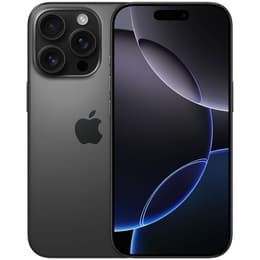
- Lens Versatility: The iPhone 16 Pro incorporates a flexible triple-lens array including an ultra-wide sensor and a dedicated telephoto zoom lens, while the iPhone 17e utilizes a single high-resolution main camera.
- Video and Audio: Both units capture stable, high-definition video clips with clear stereo sound recording, making them well-suited for casual content creation and video calls.
- Low-Light Capture: The iPhone 16 Pro handles challenging lighting scenarios effectively across multiple focal lengths, while the iPhone 17e relies on its primary sensor and computational processing for evening shots.
Main camera
48 megapixels
48 megapixels
Front camera
12 megapixels
12 megapixels
Miscellaneous
Physical handling, accessory compatibility, and daily connectivity features shape how each device fits into varied user routines.
- Build and Materials: The iPhone 16 Pro uses a lightweight titanium frame with textured matte glass, whereas the iPhone 17e adopts an aluminum frame with a durable rear glass finish.
- Connectivity and Ports: Both models utilize universal USB-C ports and support rapid wireless charging ecosystems alongside fast 5G cellular networks.
- Biometrics and Controls: The iPhone 16 Pro includes dedicated side-control buttons for camera shortcuts alongside Face ID, while the iPhone 17e relies on standard touch navigation and facial recognition.
Weight
185 oz
169 oz
Screen size (inches)
6.3
6.1
Network
5G
5G
SIM card
eSIM
eSIM
Carrier compatibility
Unlocked
Unlocked
Connector
USB-C (USB 3)
USB-C (USB 2)
What the community thinks
Choosing between the iPhone 16 Pro and the iPhone 17e depends heavily on individual feature preferences and everyday usage priorities. Users prioritizing multi-lens photography versatility, higher display refresh rates, and titanium framing will find the iPhone 16 Pro well-suited to their needs. Conversely, users prioritizing a later release generation, higher baseline storage options, and a streamlined single-camera layout may lean toward the iPhone 17e. Exploring a quality-assured refurbished option through Back Market provides an eco-friendly way to acquire either model while supporting sustainable technology consumption choices.