Compare models

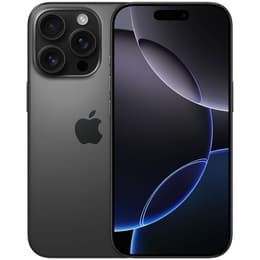
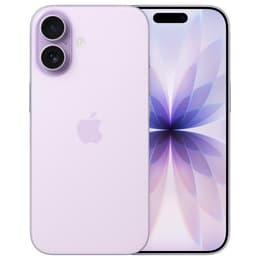
iPhone 16 Pro • Unlocked vs iPhone 17 • Unlocked

  • 1-year warranty
  • Free standard shipping
  • Free 30-day returns
iPhone 16 Pro • Unlocked
Starting at

Refurbished price:$666.00

Versus $999.00 new

See options
iPhone 17 • Unlocked
Starting at

Refurbished price:$1,026.70

Versus $1,029.00 new

See options

Differences at a glance

The iPhone 16 Pro (2024) and the iPhone 17 (2025) represent two distinct approaches within Apple's smartphone lineup, contrasting a professional-tier model with a later-generation standard device. While both run on iOS and support modern ecosystem features, they diverge significantly in release timing, camera configurations, and physical materials. Understanding these core differences helps users select the device that best fits their daily workflow.

Available Models

Color

Storage (GB)

Scores

Durability

When considering longevity, both devices benefit from extended software support timelines, though their hardware generation and release dates introduce minor variations in long-term viability.

  • Software longevity: Both models receive regular operating system updates and security patches, with the newer release benefiting from an extra year of active support headroom.
  • Build resilience: The iPhone 16 Pro utilizes a titanium chassis with textured matte glass, while the iPhone 17 incorporates updated front glass protection designed for enhanced scratch resistance.
  • Expected lifespan: Both devices maintain strong practical operating life spans, making quality-assured refurbished options from Back Market a sustainable choice for long-term daily use.

Release Year

2024

2025

Last OS Compatibility

Yes

Yes

Foldable

No

No

Performance

Daily operation and responsiveness differ slightly based on internal generational hardware iterations, influencing how each phone handles heavy multitasking and intensive applications.

  • System responsiveness: Both devices handle rapid app switching, demanding productivity tasks, and high-end gaming smoothly without noticeable stutter or lag.
  • Storage configurations: The iPhone 16 Pro offers tiered capacity options starting at lower baselines, whereas the iPhone 17 begins with increased baseline storage capacity for media and files.
  • Battery behavior: Both models provide sufficient battery endurance for a standard day of mixed usage, though charging speeds and power efficiency reflect their respective processor generations.

Screen quality

Viewing experiences on both handsets feature bright, high-resolution panels, though their underlying display technologies and refresh rate capabilities cater to different visual preferences.

  • Display smoothness: Both devices incorporate smooth refresh rate technology that adapts dynamically to onscreen content for fluid scrolling and motion.
  • Outdoor visibility: High peak brightness levels ensure clear legibility under direct sunlight, allowing users to check maps and messages outdoors without difficulty.
  • Panel dimensions: Both screens offer generous viewing space housed within narrow borders, balancing immersive media consumption with pocket-friendly handling.

Resolution

1206 x 2622

2622x1206

Screen type

LTPO Super Retina XDR OLED

Super Retina XDR

Audiovisual

Photography and video capabilities highlight a major functional split, as one model prioritizes optical zoom versatility while the other focuses on modern sensor updates.

  • Lens arrangement: The iPhone 16 Pro features a triple-lens system including a dedicated optical telephoto lens, whereas the iPhone 17 utilizes a dual-sensor layout featuring high-resolution main and ultra-wide capabilities.
  • Low-light capture: Both handsets process dark environments effectively, retaining fine details and minimizing noise in nighttime photographs and video recordings.
  • Front-facing optics: The iPhone 17 introduces an upgraded front selfie camera setup optimized for enhanced video call framing and high-resolution self-portraits.

Main camera

48 megapixels

48 megapixels

Front camera

12 megapixels

18 megapixels

Miscellaneous

Practical daily usability elements, including connectivity standards, physical dimensions, and wired interfaces, shape how each phone integrates into everyday routines.

  • Physical handling: The iPhone 16 Pro features slightly heavier titanium sides, while the iPhone 17 employs an aluminum frame paired with color-infused glass.
  • Port and connectivity: Both devices use universal USB-C ports for charging and data transfer alongside modern wireless and cellular networking standards.
  • Biometric security: Both models rely on facial recognition sensors housed within the display cutout for secure device unlocking and authentication.

Weight

185 oz

185 oz

Screen size (inches)

6.3

6.3

Network

5G

5G

SIM card

eSIM

eSIM

Carrier compatibility

Unlocked

Unlocked

Connector

USB-C (USB 3)

USB-C

What the community thinks

User discussions across community forums frequently highlight the iPhone 16 Pro for its dedicated optical zoom lens and durable titanium finish, while the iPhone 17 receives praise for its updated selfie camera, increased baseline storage, and smooth display technology. Common criticisms for the older pro model center around heavier weight distribution, whereas standard model discussions sometimes note the absence of a physical telephoto zoom lens.

Users prioritizing dedicated optical zoom and professional-grade video controls may prefer the iPhone 16 Pro, while users prioritizing higher baseline storage and updated front-facing camera optics may lean toward the iPhone 17. Choosing a quality-assured refurbished option provides an eco-friendly alternative that delivers reliable performance while supporting sustainable technology consumption. Ultimately, evaluating individual preferences for camera zoom versus general daily enhancements will determine the most suitable device.
Our recent comparisons