
Compare models

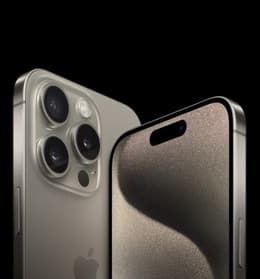
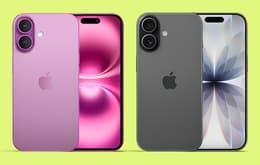
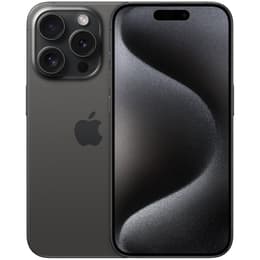
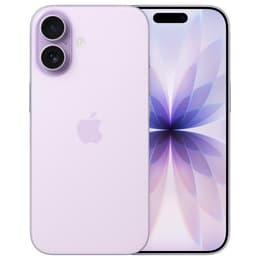
iPhone 15 Pro • Unlocked vs iPhone 17 • Unlocked

  • 1-year warranty
  • Free standard shipping
  • Free 30-day returns
iPhone 15 Pro • Unlocked
Starting at

Refurbished price:$546.00

Versus $999.00 new

See options
iPhone 17 • Unlocked
Starting at

Refurbished price:$1,026.70

Versus $1,029.00 new

See options

Differences at a glance

The iPhone 15 Pro (2023) and the iPhone 17 (2025) represent two distinct tiers within Apple's modern smartphone ecosystem, bridging previous-generation professional features with newer mainline hardware advancements. While both devices run on current versions of iOS and offer polished everyday experiences, they diverge significantly in release timing, camera configurations, and physical design philosophies.

Understanding how these two handsets handle daily demands helps users align their choices with personal priorities rather than marketing designations.

Available Models

Color

Storage (GB)

Scores

Durability

Lifecycle expectations and physical endurance vary between these models due to their release timelines and hardware maintenance profiles.

  • Software Support Window: The iPhone 17 benefits from a later release date, offering an extended horizon for official operating system updates compared to its older counterpart.
  • Repairability and Build Maintenance: Both devices feature robust glass-and-metal assemblies with standardized internal modularity, ensuring straightforward component replacements through authorized service channels.
  • Long-Term Reliability: Daily usage longevity remains high for both options, though users seeking the absolute maximum duration of software vendor support will lean toward the newer release year.

Release Year

2023

2025

Last OS Compatibility

Yes

Yes

OS

iOS

iOS

Foldable

No

No

Performance

System responsiveness and day-to-day operation differ slightly based on internal hardware generational leaps and thermal management improvements.

  • Multitasking and App Switching: Both models handle intensive background tasks and demanding applications smoothly, supported by generous memory allocations that keep active windows loaded without stutter.
  • Gaming and Heavy Workloads: The iPhone 17 sustains high-demand gaming sessions with improved thermal efficiency, while the iPhone 15 Pro manages heavy workloads effectively despite its earlier generation architecture.
  • Storage Configurations: Storage tiers vary across configurations, with both models offering ample space for large media libraries, cached applications, and local file storage.

Screen quality

Visual immersion and panel characteristics present noticeable contrasts in outdoor legibility and motion fluidity.

  • Display Technology and Refresh Rate: The iPhone 17 introduces advanced fluid motion capabilities to the mainline series, matching the smooth scrolling performance traditionally reserved for professional models like the iPhone 15 Pro.
  • Outdoor Peak Brightness: The iPhone 17 achieves higher maximum luminance levels for bright daylight viewing, whereas the iPhone 15 Pro remains comfortably legible under direct sunlight.
  • Color Accuracy and Resolution: Both devices deliver sharp text reproduction and vivid color reproduction through high-density OLED panels, making them well-suited for extended media viewing.

Resolution

1179 x 2556

2622x1206

Screen type

LTPO Super Retina XDR OLED

Super Retina XDR

Audiovisual

Optics and acoustic performance cater to different media creation styles, balancing multi-lens versatility with modern sensor upgrades.

  • Lens Versatility: The iPhone 15 Pro includes a dedicated optical zoom lens for distant subjects, while the iPhone 17 focuses its photographic capabilities on high-resolution main and ultra-wide sensors.
  • Low-Light Photography: Both handsets capture crisp details and balanced exposures in dim environments, utilizing computational image processing to minimize digital noise.
  • Audio and Video Recording: Microphone clarity supports crisp voice calls and stereo recording, complemented by robust video stabilization features across diverse movement scenarios.

Main camera

48 megapixels

48 megapixels

Front camera

12 megapixels

18 megapixels

Miscellaneous

Physical handling, connectivity standards, and daily ergonomics define the practical interaction experience of each smartphone.

  • Build Materials and Weight: The iPhone 15 Pro utilizes lightweight grade titanium framing with textured matte glass, whereas the iPhone 17 employs an aluminum enclosure balancing structural rigidity and hand feel.
  • Connectivity Protocols: Both devices feature universal USB-C ports and modern wireless standards, ensuring rapid data transfers and stable peripheral pairing.
  • Security and Authentication: Face recognition sensors provide swift biometric unlocking and secure authentication across all installed applications.

Weight

187 oz

185 oz

Screen size (inches)

6.1

6.3

Network

5G

5G

SIM card

eSIM

eSIM

Carrier compatibility

Unlocked

Unlocked

Connector

USB-C (USB 3)

USB-C

What the community thinks

User feedback from online communities highlights distinct preferences for each device based on individual habits. Owners of the iPhone 15 Pro frequently praise its dedicated optical zoom capabilities and lightweight titanium chassis, though some note that heavy use under demanding conditions can lead to noticeable warmth. Conversely, users of the iPhone 17 highlight the fluid display smoothness and exceptional outdoor panel brightness as standout daily benefits, while occasional discussions point out the absence of a dedicated telephoto zoom lens.

Users prioritizing long-range optical photography and a compact professional build will find the iPhone 15 Pro well-suited to their needs. Meanwhile, users prioritizing fluid screen motion, extended software longevity, and high outdoor visibility may lean toward the iPhone 17. For consumers exploring sustainable technology options, choosing a quality-assured refurbished option provides an eco-friendly alternative that minimizes electronic waste without compromising on core reliability. Evaluating these specific functional differences ensures an informed decision that matches your personal workflow.
Our recent comparisons