Compare models
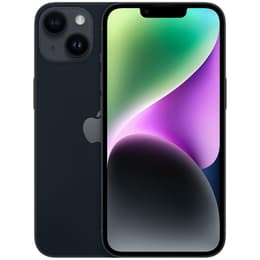
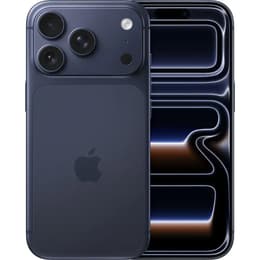
iPhone 14 • Unlocked vs iPhone 17 Pro • Unlocked
- 1-year warranty
- Free standard shipping
- Free 30-day returns
Differences at a glance
The iPhone 14 (2022) and the iPhone 17 Pro (2025) represent different generations of Apple's smartphone lineup, featuring distinct design approaches and feature sets. While both devices run on the iOS platform, they offer contrasting hardware capabilities that cater to divergent user priorities. The primary differentiators between these two models center on their internal processing capabilities, camera versatility, and display technology.
Available Models
Color
Storage (GB)
Scores
Durability
When evaluating the long-term viability of these devices, differences in their release timelines and subsequent software support windows become apparent.
- Software Support: The newer model benefits from an extended software update lifecycle, ensuring longer access to security patches and system updates.
- Build Longevity: Both devices incorporate durable glass and protective front glass technology, though hardware wear patterns depend heavily on individual usage intensity.
- Repairability: Both models align with standard industry standards for maintenance, with structured pathways available for battery replacements and component repairs through qualified service providers.
Release Year
2022
2025
Last OS Compatibility
Yes
Yes
OS
iOS
iOS
Foldable
No
No
Performance
System responsiveness and daily multitasking behavior vary noticeably due to generational gaps in internal hardware and memory configurations.
- Multitasking and Speed: The iPhone 17 Pro handles demanding apps, heavy mobile games, and intensive background tasks with greater fluidity, while the iPhone 14 manages everyday browsing, messaging, and media streaming smoothly.
- Storage Configurations: Both devices offer tiered storage options to accommodate varying file storage needs, though the newer model provides higher baseline and maximum capacities.
- Battery Behavior: Battery endurance differs during continuous heavy usage, with the newer pro-tier device optimizing power efficiency for extended gaming and media creation sessions.
Screen quality
Visual output and display responsiveness differ significantly, affecting everything from daily reading to outdoor media consumption.
- Display Technology: Both devices utilize vibrant OLED panels with deep contrast levels, but the iPhone 17 Pro introduces higher peak brightness levels for improved visibility under direct sunlight.
- Refresh Rate Smoothness: The iPhone 17 Pro features an adaptive high refresh rate for smoother scrolling and animations, compared to the standard refresh rate on the iPhone 14.
- Viewing Area: Both models provide clear 6.1-inch displays, maintaining sharp text rendering and accurate color reproduction for everyday tasks.
Resolution
1170 x 2532
2622x1206
Screen type
Super Retina XDR OLED
Super Retina XDR
Audiovisual
Photography and media recording capabilities highlight a clear functional divide between standard and professional tiers.
- Lens Versatility: The iPhone 14 relies on a dual-camera system suited for everyday snapshots, while the iPhone 17 Pro incorporates a triple-lens array including a dedicated telephoto zoom lens for distant subjects.
- Low-Light Performance: Advanced sensor hardware on the newer professional model captures sharper detail and reduced noise in challenging lighting conditions.
- Video and Audio: Both options deliver steady video stabilization and clear microphone pickup, though professional cinematic formats and advanced manual controls are exclusive to the pro variant.
Main camera
12 megapixels
48 megapixels
Front camera
12 megapixels
18 megapixels
Miscellaneous
Physical handling, connectivity standards, and daily utility features shape the practical experience of carrying each device.
- Build and Materials: The iPhone 14 utilizes lightweight aluminum framing, whereas the iPhone 17 Pro features more robust chassis materials that alter the overall in-hand weight distribution.
- Connectivity: Both models support fast 5G cellular networks and modern wireless standards, though the newer device adopts updated proximity and local transfer chips.
- Authentication: Both smartphones utilize secure facial recognition sensors for unlocking the device and authorizing secure purchases.
Weight
6 oz
206 oz
Screen size (inches)
6.1
6.3
Network
5G
5G
SIM card
eSIM
eSIM
Carrier compatibility
Unlocked
Unlocked
Connector
Lightning
USB-C
What the community thinks
User discussions across community forums often highlight the iPhone 14 for its reliable everyday performance, lightweight feel, and straightforward user experience. Common criticisms for the base model focus on its standard display refresh rate and limited zoom capabilities. Conversely, the iPhone 17 Pro receives praise for its advanced camera system, smooth display responsiveness, and sustained processing power, though some users note its heavier physical build.
Users prioritizing photography versatility, smooth screen transitions, and maximum processing headroom will find the iPhone 17 Pro well-suited to their needs. Meanwhile, users focusing on essential smartphone functions, lightweight daily handling, and straightforward reliability may prefer the iPhone 14. Exploring a quality-assured refurbished option provides an eco-friendly alternative for acquiring either device while supporting sustainable technology choices.