Compare models
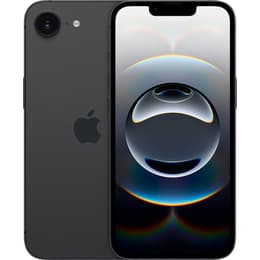
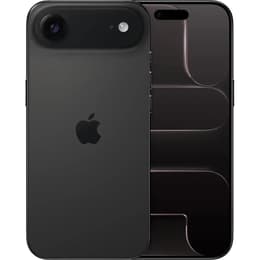
iPhone 16e • Unlocked vs iPhone Air • Unlocked
- 1-year warranty
- Free standard shipping
- Free 30-day returns
Differences at a glance
The iPhone 16e (2025) and the iPhone Air (2025) represent two distinct approaches to modern smartphone design within Apple's ecosystem. While both devices run on iOS and share a minimalist single-lens camera philosophy, they target entirely different user priorities. The iPhone 16e focuses on everyday practicality and core capabilities, whereas the iPhone Air emphasizes a breakthrough ultra-slim profile and advanced display technology.
Available Models
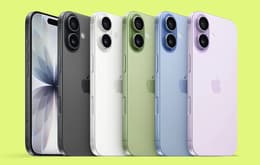
Color
Storage (GB)
Scores
Durability
Both models benefit from long-term software support, though their hardware configurations and release windows introduce distinct longevity profiles.
- Software longevity: Both devices receive regular operating system updates, with the iPhone Air utilizing a higher tier of processing memory that handles demanding future software features with ease.
- Repairability and build: Both options feature robust IP68 water and dust resistance, while standard component maintenance remains accessible through professional repair networks.
- Expected lifespan: Solid battery components and high-grade internal architecture ensure that both smartphones remain fully functional for years of daily use.
Release Year
2025
2025
OS
iOS
iOS
Foldable
No
No
Performance
System responsiveness and multitasking capabilities vary based on internal hardware allocations and memory sizing across both models.
- Multitasking and app handling: Both devices switch seamlessly between demanding apps, handle intensive web browsing, and run modern mobile games without stuttering or thermal throttling.
- Battery behavior: The iPhone 16e features a larger battery capacity that easily sustains prolonged heavy usage throughout a full day, while the streamlined profile of the iPhone Air houses a more modest power cell that may require more frequent charging for power users.
- Storage capacity: The iPhone 16e offers practical entry storage tiers, whereas the iPhone Air accommodates expansive media libraries with higher maximum storage configurations.
Screen quality
Visual immersion and panel technologies differ significantly in terms of smoothness, maximum brightness, and physical dimensions.
- Display smoothness: The iPhone Air incorporates an adaptive high refresh rate panel for smoother scrolling and animations, while the iPhone 16e utilizes a standard refresh rate display.
- Brightness and outdoor clarity: The iPhone Air achieves exceptionally high peak outdoor brightness levels for clear visibility in direct sunlight, complemented by an always-on capability.
- Viewing size: The iPhone Air provides a larger 6.5-inch viewing area, whereas the iPhone 16e features a more compact 6.1-inch screen that is easier to navigate with one hand.
Resolution
2532x1170
2736x1260
Screen type
Super Retina XDR
Super Retina XDR
Audiovisual
Multimedia capture and audio output setups cater to different media consumption and photography styles.
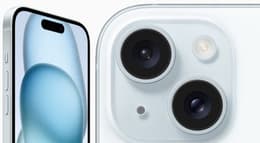
- Photography performance: Both smartphones rely on a high-resolution main fusion lens that delivers crisp everyday photos and sharp portrait details, backed by flexible digital zoom options.
- Video and audio recording: High-definition video stabilization and clear microphone fidelity come standard, making both units reliable for capturing home videos or recording voice notes.
- Media playback: The iPhone Air features specialized spatial audio capabilities for immersive listening, while both devices offer clear output for casual media viewing and hands-free calls.
Main camera
48MP
48 megapixels
Front camera
TrueDepth 12MP
18 megapixels
Miscellaneous
Physical handling, connectivity standards, and daily portability features set these two designs apart.
- Design and dimensions: The iPhone Air boasts an exceptionally thin titanium-infused chassis that minimizes pocket bulk, whereas the iPhone 16e offers a slightly thicker, contoured aluminum profile that some users find easier to grip securely.
- Connectivity: Both models support rapid 5G cellular networks, with the iPhone Air incorporating advanced wireless standards for faster local routing.
- Authentication and ports: Both devices utilize secure facial recognition technology and universal USB-C connectivity for streamlined charging and data transfer.
Weight
167 oz
185 oz
Screen size (inches)
6.1
6.5
Network
5G
5G
SIM card
eSIM
eSIM
Carrier compatibility
Unlocked
Unlocked
Connector
USB-C
USB-C
What the community thinks
User discussions across tech communities highlight distinct preferences for each device. Owners of the iPhone 16e frequently praise its dependable battery longevity, comfortable handling, and straightforward approach to everyday tasks. Conversely, enthusiasts of the iPhone Air often emphasize appreciation for its remarkably lightweight construction, expansive screen estate, and fluid display technology. Common criticisms for the iPhone 16e point to the absence of high-refresh-rate visuals, while feedback on the iPhone Air occasionally notes the compromises tied to its ultra-slim battery capacity and single-speaker configuration.
Users prioritizing ergonomics, extended battery persistence, and day-to-day simplicity may prefer the iPhone 16e. Meanwhile, users prioritizing a larger canvas, high-refresh-rate viewing, and a featherlight physical profile will lean toward the iPhone Air. Opting for a quality-assured refurbished option through Back Market provides an eco-friendly alternative for acquiring either device while supporting more sustainable technology choices.