
iPhone 15 • Unlocked vs iPhone 16e • Unlocked

iPhone 15 • Unlocked
Starting at

Refurbished price:$375.00

Versus $729.00 new

See options
iPhone 16e • Unlocked
Starting at

Refurbished price:$371.00

Versus $599.00 new

See options

Ratings

The iPhone 15, released in September 2023, and the iPhone 16E, introduced in February 2025, represent different approaches within Apple's smartphone lineup. While the iPhone 15 served as a standard flagship model, the iPhone 16E was positioned as an entry-level option within the iPhone 16 series, offering a blend of modern features with some distinctions. Both devices operate on Apple's iOS platform, providing a consistent software experience, but they diverge in their core processing power, display features, and camera capabilities.

Scores

Durability

When considering the longevity of these devices, their release timelines and Apple's software support policies are key factors.

  • Release Timeline: The iPhone 15 was released in September 2023 and was discontinued in September 2025 following the announcement of the iPhone 17. The iPhone 16E, launched in February 2025, was discontinued more recently in March 2026 with the introduction of the iPhone 17E.
  • Software Longevity: Both devices launched with recent iOS versions (iPhone 15 with iOS 17, iPhone 16E with iOS 18.3) and are compatible with iOS 26.4.1. The iPhone 16E, being a newer model, is expected to receive software updates for a slightly longer period than the iPhone 15.
  • Repairability: Both the iPhone 15 and the iPhone 16 series (which includes the 16E) have received a repairability score of 7 out of 10 from iFixit. This indicates a design that facilitates repairs, partly due to the ability to open the devices from both the front and back, and Apple's Repair Assistant program.

Release Year

2023

2025

OS

iOS

iOS

Foldable

No

No

Performance

The performance of a smartphone significantly impacts daily usage, from launching applications to handling demanding tasks.

  • Processor Capabilities: The iPhone 15 is powered by the A16 Bionic chip, which was a high-performance processor at its release. The iPhone 16E features the newer A18 chip. This newer chip in the iPhone 16E provides enhanced processing power, leading to faster app loading times, smoother multitasking, and more efficient handling of graphically intensive applications and games.
  • Multitasking and Responsiveness: The iPhone 16E's A18 chip, coupled with its support for Apple Intelligence features, offers a more responsive user experience, particularly when dealing with complex AI-driven tasks or running multiple applications simultaneously. The iPhone 15, while still capable, may show a slight difference in speed for the most demanding operations.
  • Battery Behavior: The iPhone 16E is equipped with a larger battery capacity (4005 mAh) compared to the iPhone 15 (3349 mAh). This translates to a noticeable difference in real-world battery life, with the iPhone 16E offering up to 26 hours of video playback compared to the iPhone 15's 20 hours. Users of the iPhone 15 generally report a full day of use, but the iPhone 16E provides extended endurance, especially for heavy media consumption.

Memory (GB)

6 GB

8 GB

Screen quality

The display is a primary interface for users, and differences in screen technology and specifications can affect the viewing experience.

  • Display Technology and Size: Both the iPhone 15 and iPhone 16E feature a 6.1-inch Super Retina XDR OLED display, offering vibrant colors and deep blacks.
  • Resolution and Clarity: The iPhone 15 has a resolution of 2556x1179 pixels at 460 ppi, while the iPhone 16E has a resolution of 2532x1170 pixels, also at approximately 460 ppi. Both provide sharp and clear visuals for everyday viewing.
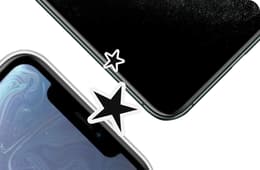
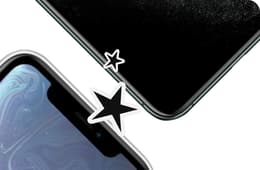
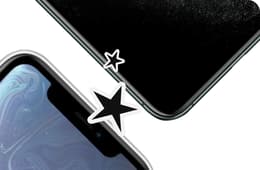
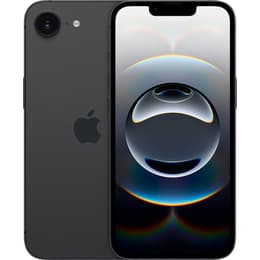
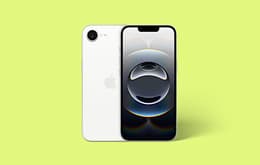
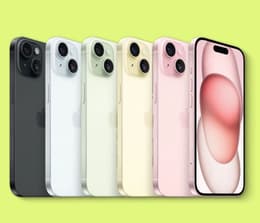
  • Brightness and Features: The iPhone 15 offers a typical brightness of 1000 nits and a peak outdoor brightness of up to 2000 nits, making it highly visible in bright sunlight. The iPhone 16E has a max brightness of 800 nits and a peak HDR brightness of 1200 nits. A notable design difference is the iPhone 15's Dynamic Island, which integrates alerts and background activities, whereas the iPhone 16E retains a traditional notch for its TrueDepth camera system. Both maintain a standard 60Hz refresh rate.

Resolution

1179 x 2556

2532x1170

Screen type

Super Retina XDR OLED

Super Retina XDR

Audiovisual

Camera systems are a significant consideration for many smartphone users, impacting the quality of photos and videos.

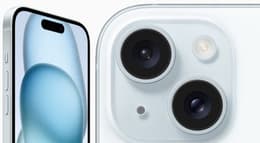
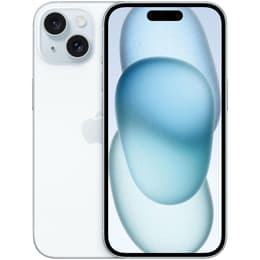
  • Rear Camera System: The iPhone 15 features a dual-camera system with a 48MP Main sensor and a 12MP Ultra Wide lens. It offers a 2x optical zoom option by utilizing the main sensor. The iPhone 16E, on the other hand, comes with a single 48MP Main camera, also capable of 2x in-sensor zoom, but it lacks a dedicated ultrawide lens.
  • Photography Performance: Both devices deliver high-quality photos in good lighting conditions, with the 48MP main sensor capturing detailed images. The iPhone 15's additional ultrawide lens provides more versatility for landscape and group shots. For low-light photography, both benefit from computational photography, though the iPhone 15's dual-camera system might offer slightly more flexibility.
  • Video Recording and Front Camera: Both the iPhone 15 and iPhone 16E support 4K video recording at various frame rates. The iPhone 15 supports 4K Dolby Vision video recording. Both are equipped with a 12MP front-facing camera for selfies and video calls.

Main camera

48 megapixels

48MP

Front camera

12 megapixels

TrueDepth 12MP

Miscellaneous

Beyond core specifications, several practical features contribute to the overall user experience and device utility.

  • Connectivity and Ports: Both smartphones support 5G cellular connectivity, Wi-Fi 6, and Bluetooth 5.3. A significant upgrade for both is the inclusion of a USB-C port for charging and data transfer, replacing the older Lightning connector. The iPhone 15 includes a second-generation Ultra Wideband chip, which is absent in the iPhone 16E. The iPhone 16E features Apple's custom C1 5G modem, designed for power efficiency.
  • Physical Design and Handling: Both devices share a similar form factor, with the iPhone 15 measuring 147.6 x 71.6 x 7.8 mm and weighing 171g, and the iPhone 16E being slightly smaller and lighter at 146.7 x 71.5 x 7.8 mm and 167g. Both feature an aluminum frame and a Ceramic Shield front for durability, along with IP68 water and dust resistance.
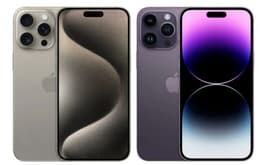
  • Unique Features: The iPhone 15 introduced the Dynamic Island, an interactive area around the front camera cutout for alerts and live activities. The iPhone 16E, while lacking the Dynamic Island, incorporates the Action Button, a customizable physical button that replaces the traditional mute switch, allowing quick access to various functions.

Weight

171 oz

167 oz

Screen size (inches)

6.1

6.1

Network

5G

5G

SIM card

eSIM

eSIM

Carrier compatibility

Unlocked

Unlocked

Connector

USB-C (USB 2)

USB-C

The iPhone 15 and iPhone 16E cater to slightly different user priorities, reflecting their respective positions in Apple's product strategy. The iPhone 15, while an older flagship, offers a comprehensive dual-camera system and the interactive Dynamic Island. Users have praised its camera improvements over previous generations and generally find its battery life sufficient for a full day of use. Some users, however, noted its 60Hz display as a point of comparison with higher refresh rate devices.

The iPhone 16E, as a more recent entry-level model, brings a newer, more powerful processor (A18 chip) and significantly improved battery life, making it a strong contender for users prioritizing performance and endurance. Its inclusion of the Action Button and support for Apple Intelligence also positions it as a more future-ready device in terms of software features. However, it foregoes the ultrawide camera and Dynamic Island in favor of a traditional notch display.

Users prioritizing a versatile camera system with an ultrawide lens and the Dynamic Island experience may prefer the iPhone 15. Conversely, users who value the latest processing power, extended battery life, the customizable Action Button, and Apple Intelligence features will find the iPhone 16E well-suited to their needs, even with its single rear camera and notch display. Both devices offer a quality-assured refurbished option, providing an eco-friendly alternative for consumers seeking reliable technology.
See all articles

Our recent comparisons