
Compare models

Galaxy A53 5G • Unlocked vs Motorola Moto G Stylus 5G (2024) • Unlocked

  • 1-year warranty
  • Free standard shipping
  • Free 30-day returns
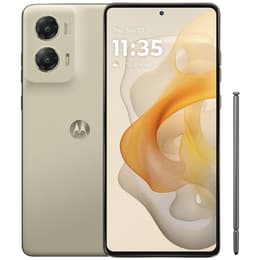
Motorola Moto G Stylus 5G (2024) • Unlocked
Starting at

Refurbished price:$155.00

Versus $299.99 new

See options

Differences at a glance

The Samsung Galaxy A53 5G (2022) and the Motorola Moto G Stylus 5G (2024) are capable mid-range smartphones designed to handle everyday communication, media consumption, and productivity needs. While both devices run on the Android operating system and target users looking for balanced functionality, they differ notably in their release years, physical utility, and internal hardware layout. Choosing between them depends on whether a user prefers long-term software commitments or a specialized productivity tool with modern physical design elements.

Available Models

Color

Storage

Scores

Durability

When evaluating the physical endurance and software support timelines of these two devices, distinct differences emerge regarding their age and expected update schedules.

  • Software support duration: The Galaxy A53 5G benefits from an extensive update policy that provides multiple years of operating system upgrades and security patches, whereas the Moto G Stylus 5G (2024) follows a standard mid-range support window starting from its 2024 release.
  • Build longevity: The Galaxy A53 5G features a rigid plastic frame and glass protected by sturdy scratch-resistant material, while the Moto G Stylus 5G (2024) incorporates a vegan leather back finish that offers a distinct tactile grip and manages everyday wear differently.
  • Expected practical lifespan: Due to its earlier release date, the Galaxy A53 5G is further along its lifecycle, though both models provide sufficient software reliability for users seeking a device to last through several years of daily routines.

Release Year

2022

2024

Last OS Compatibility

Yes

Yes

OS

Android

Android

Foldable

No

No

Performance

Underneath the surface, these smartphones utilize different hardware configurations that influence how they handle daily multitasking, storage management, and battery endurance.

  • Everyday system responsiveness: Both devices open common messaging, web browsing, and social media applications smoothly, though demanding mobile games or heavy background tasks run with varying levels of thermal efficiency depending on the generation of internal silicon.
  • Storage and memory configurations: The Moto G Stylus 5G (2024) typically ships with generous baseline internal storage and expandable options via microSD, matching or exceeding the common configurations found on the Galaxy A53 5G.
  • Battery behavior: Each phone packs a large capacity power cell designed to last through a full day of standard use, though the Moto G Stylus 5G (2024) introduces faster wired charging capabilities alongside wireless charging support to minimize downtime.

Screen quality

Visual output and display responsiveness play a central role in the user experience, with both manufacturers implementing bright panels equipped for outdoor visibility.

  • Display technology: The Galaxy A53 5G utilizes a vibrant Super AMOLED screen known for deep contrast levels, while the Moto G Stylus 5G (2024) features a pOLED panel that delivers sharp color reproduction and wide viewing angles.
  • Smoothness and refresh rate: Both displays support a 120Hz refresh rate, ensuring fluid scrolling through web pages, animation transitions, and user interface menus.
  • Outdoor brightness: High peak brightness levels on both screens allow content to remain legible under direct sunlight, making them well-suited for navigation and outdoor reading.

Resolution

1080 x 2400

1080 x 2400

Screen type

Super AMOLED

P-OLED

Audiovisual

Media capture capabilities vary between the two models, offering distinct lens arrangements and integrated software processing for everyday photography.

  • Camera system versatility: The Galaxy A53 5G includes a multi-lens rear array featuring a high-resolution primary sensor and an ultra-wide option, while the Moto G Stylus 5G (2024) focuses on a dual-rear setup anchored by an optical image stabilization main lens for steady shots.
  • Low-light and video performance: Both devices capture clear photos in daylight conditions, while relying on built-in software stabilization to keep casual video recording smooth during movement.
  • Audio and media consumption: Integrated stereo speakers on both models deliver adequate sound clarity for hands-free calls and casual video streaming, with the Motorola option also retaining a traditional 3.5mm headphone jack.

Main camera

64 megapixels

50 megapixels

Front camera

32 megapixels

32 megapixels

Miscellaneous

Practical daily usability is shaped by physical dimensions, connectivity standards, and unique hardware additions embedded into the chassis of each phone.

  • Unique input methods: The Moto G Stylus 5G (2024) stands out with its integrated physical stylus pen, allowing for precise note-taking, sketching, and screen navigation directly from a dedicated housing slot.
  • Physical handling: Both devices maintain comparable weights and heights, though differences in corner curvature and rear texture change how securely each phone rests in the hand.
  • Connectivity and ports: Complete 5G network compatibility, modern Wi-Fi standards, and reliable Bluetooth pairing are present on both models, alongside secure biometric authentication via fingerprint sensors.

Weight

6 oz

7 oz

Screen size (inches)

6.5

6.7

Network

5G

5G

SIM card

Physical SIM

Physical SIM

Carrier compatibility

Unlocked

Unlocked

What the community thinks

The Samsung Galaxy A53 5G and the Motorola Moto G Stylus 5G (2024) cater to slightly different practical preferences. Users prioritizing a built-in stylus for productivity, faster charging speeds, and a tactile vegan leather finish often gravitate toward the Motorola device. Conversely, users who value Samsung's interface ecosystem and long-term software update structure find the Galaxy model well-suited to their daily routines. Exploring a quality-assured refurbished option provides a sustainable choice that extends device lifecycles while matching individual feature priorities.

Reviewing these core differences helps ensure that your final choice aligns closely with how you use your smartphone every day.


Our recent comparisons