
Galaxy S10+ • Unlocked vs iPhone XS • Unlocked

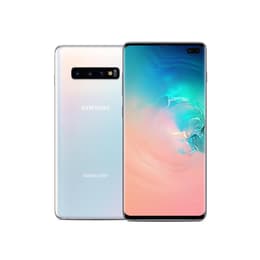
Galaxy S10+ • Unlocked
Starting at

Refurbished price:$166.00

Versus $719.00 new

See options
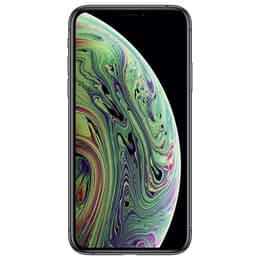
iPhone XS • Unlocked
Starting at

Refurbished price:$149.00

Versus $459.00 new

See options

Ratings

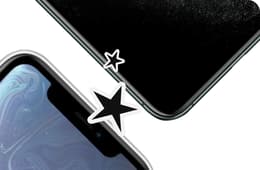
The Samsung Galaxy S10 Plus, released in March 2019, and the Apple iPhone XS, launched in September 2018, represent flagship smartphones from their respective manufacturers. While both devices offered premium experiences at their debut, they cater to different user preferences, primarily distinguished by their operating systems, camera configurations, and display designs. The Galaxy S10 Plus runs on Android, featuring a larger display with a punch-hole camera, while the iPhone XS operates on iOS, characterized by its notched display and Face ID technology.

Scores

Durability

When considering the long-term usability of these devices, their release timelines and software support are key factors. Both phones, having been released several years ago, are now in a phase where official software updates from their manufacturers have concluded or are nearing their end.

  • Software Longevity: The Samsung Galaxy S10 Plus received its last major Android operating system update with Android 12 in December 2021, with security patches extending until March 2023. The iPhone XS, launched with iOS 12, was upgradable to iOS 17 but did not receive iOS 18, indicating its software support cycle has also concluded. This means users of both devices will no longer receive the latest feature updates, though security updates might continue for a limited period through unofficial channels or for critical vulnerabilities.
  • Physical Durability: Both devices feature robust builds. The Galaxy S10 Plus incorporates Corning Gorilla Glass 6 for its display and an aluminum frame, offering a good level of scratch and drop resistance. The iPhone XS utilizes a durable glass construction, described at its release as the most durable in a smartphone, paired with a surgical-grade stainless steel frame. Both models also carry an IP68 rating for water and dust resistance, meaning they can withstand submersion in up to 2 meters of water for up to 30 minutes.
  • Repairability: While specific repairability scores can vary, both devices, as older flagship models, may present challenges for easy, user-level repairs due to their sealed designs and integrated components. Professional repair services are generally recommended for both.

Release Year

2019

2018

Last OS Compatibility

No

Yes

OS

Android

iOS

Foldable

No

No

Performance

The performance of both the Galaxy S10 Plus and the iPhone XS was top-tier at their respective launches, designed to handle demanding applications and multitasking. By 2026, while still capable for everyday use, their performance will reflect their age compared to newer devices.

  • Processing Power: The Galaxy S10 Plus is equipped with a processor that, at its release, delivered strong performance for gaming and productivity, supported by 8GB or 12GB of RAM. The iPhone XS features a processor known for its efficient and powerful performance, particularly in single-core tasks and graphics, complemented by 4GB of RAM. Both processors were designed to offer smooth app loading and responsive navigation.
  • Storage and Multitasking: The Galaxy S10 Plus offered a range of internal storage options from 128GB up to 1TB, with the added flexibility of a microSD card slot for expandable storage. This allows users to significantly increase their storage capacity for photos, videos, and applications. The iPhone XS came with storage options of 64GB, 256GB, or 512GB, without expandable storage. The larger RAM in the S10 Plus can provide a slight edge in keeping more applications open in the background without needing to reload them, benefiting heavy multitaskers.
  • Battery Behavior: The Galaxy S10 Plus houses a 4100 mAh battery, which generally provided a full day of moderate to heavy use for many users. The iPhone XS has a 2658 mAh battery, which, combined with iOS's power management, aimed to deliver comparable daily endurance. Actual battery life will vary significantly based on usage patterns and the current health of the battery, especially in older devices.

Memory (GB)

8 GB

4 GB

Screen quality

Both smartphones feature high-quality displays that were considered leading-edge at their time of release, offering vibrant colors and sharp details, though they differ in size and design approach.

  • Display Technology and Resolution: The Samsung Galaxy S10 Plus boasts a 6.4-inch Dynamic AMOLED display with a resolution of 1440 x 3040 pixels, resulting in a pixel density of approximately 522 pixels per inch (ppi). This display supports HDR10+ for enhanced contrast and color. The iPhone XS features a 5.8-inch Super Retina HD OLED display with a resolution of 2436 x 1125 pixels, yielding a pixel density of about 458 ppi. Both OLED panels deliver deep blacks and excellent contrast.
  • Design and Brightness: The Galaxy S10 Plus utilizes an 'Infinity-O' display design, characterized by a small punch-hole cutout for the front cameras, maximizing screen real estate and offering curved edges. The iPhone XS features a 'notch' at the top of its display, housing the front camera and Face ID sensors. Both displays offer good brightness levels, with the iPhone XS typically reaching 625 nits, ensuring good visibility in various lighting conditions.
  • Refresh Rate and Viewing Experience: Both devices feature a standard 60Hz refresh rate. The larger screen size of the Galaxy S10 Plus provides a more expansive viewing experience, which can be beneficial for media consumption and productivity. The iPhone XS, while smaller, offers a compact form factor that some users prefer for one-handed use.

Resolution

1440 x 3040

1125 x 2436

Screen type

Dynamic AMOLED

Super Retina OLED

Audiovisual

The camera systems on both the Galaxy S10 Plus and the iPhone XS were highly regarded at their respective launches, offering advanced features for photography and videography, though with different strengths and configurations.

  • Rear Camera System: The Samsung Galaxy S10 Plus features a versatile triple-camera setup on the rear, consisting of a 12-megapixel wide-angle lens with a variable aperture, a 12-megapixel telephoto lens offering 2x optical zoom, and a 16-megapixel ultra-wide-angle lens. This provides flexibility for various shooting scenarios, from expansive landscapes to zoomed-in shots. The iPhone XS comes with a dual-camera system on the rear, featuring two 12-megapixel lenses: a wide-angle and a telephoto lens, also with 2x optical zoom.
  • Photography Features: The S10 Plus's ultra-wide lens allows for capturing broader scenes, a feature not present on the iPhone XS. Both phones excel in everyday photography, producing detailed images with good color accuracy. The iPhone XS introduced Smart HDR, which helps in capturing better detail in highlights and shadows, and offers advanced depth control for portrait mode photos. The S10 Plus also offers various shooting modes and an extensive Pro mode.
  • Video Recording and Front Camera: Both devices are capable of recording 4K video at up to 60 frames per second, providing high-quality video capture. For selfies, the Galaxy S10 Plus has a dual front camera setup, including a 10-megapixel wide-angle lens and an 8-megapixel depth sensor, which aids in portrait effects. The iPhone XS features a 7-megapixel TrueDepth front camera, which is also used for its Face ID facial recognition system.

Main camera

12 megapixels

12 megapixels

Front camera

10 megapixels

7 megapixels

Miscellaneous

Beyond core performance and display, several practical features and design elements differentiate the Galaxy S10 Plus and the iPhone XS, impacting daily user interaction and connectivity.

  • Connectivity and Ports: The Samsung Galaxy S10 Plus includes a 3.5mm headphone jack, a feature absent from the iPhone XS. The S10 Plus uses a USB-C port for charging and data transfer, offering broad compatibility with modern accessories. The iPhone XS, conversely, uses Apple's proprietary Lightning port. Both devices support 4G LTE networks, with the iPhone XS featuring Gigabit-class LTE with 4x4 MIMO for potentially faster cellular data speeds. The S10 Plus supports Wi-Fi 6, offering improved wireless performance where available.
  • Biometric Security and Design: The Galaxy S10 Plus incorporates an ultrasonic fingerprint sensor embedded directly under the display, allowing for convenient unlocking. It also features Wireless PowerShare, enabling it to wirelessly charge other compatible devices. The iPhone XS relies solely on Face ID for biometric authentication, using its advanced TrueDepth camera system. The S10 Plus offers expandable storage via a microSD card slot, a flexibility not available on the iPhone XS.
  • Dimensions and Weight: The Galaxy S10 Plus measures 157.6 x 74.1 x 7.8 mm and weighs 175 grams (or 198g for ceramic models). The iPhone XS is more compact at 143.6 x 70.9 x 7.7 mm and weighs 177 grams. These differences contribute to distinct in-hand feels, with the S10 Plus offering a larger screen in a slightly larger and sometimes lighter package.

Weight

6 oz

6 oz

Screen size (inches)

6.4

5.8

Network

LTE

LTE

SIM card

Physical SIM

Physical SIM + eSIM

Carrier compatibility

Unlocked

Unlocked

Connector

USB-C + Jack 3.5mm

Lightning

Both the Samsung Galaxy S10 Plus and the iPhone XS, while older models, continue to offer capable smartphone experiences for users who do not require the absolute latest technology. User feedback for the Galaxy S10 Plus often praises its expansive and vibrant display, the versatility of its triple camera system including the ultra-wide lens, and the convenience of features like the headphone jack and expandable storage. Some users, however, noted that its software update cycle concluded earlier than some might prefer. The iPhone XS is frequently lauded for its robust build quality, the consistent performance of its iOS ecosystem, and the reliability of Face ID. Criticisms sometimes point to the absence of a headphone jack and the lack of expandable storage.

For users prioritizing a larger, more immersive display for media consumption, the flexibility of an ultra-wide camera, and traditional features like a headphone jack and expandable storage, the Galaxy S10 Plus may be a more suitable choice. Its Android operating system also offers greater customization options. Conversely, individuals deeply integrated into the Apple ecosystem, who value the consistent user experience of iOS, the security of Face ID, and a slightly more compact form factor, might find the iPhone XS better aligns with their needs. Both devices represent a sustainable choice when considering quality-assured refurbished options, offering a way to access premium features while extending the lifespan of electronics.


See all articles

Our recent comparisons